
Lawn
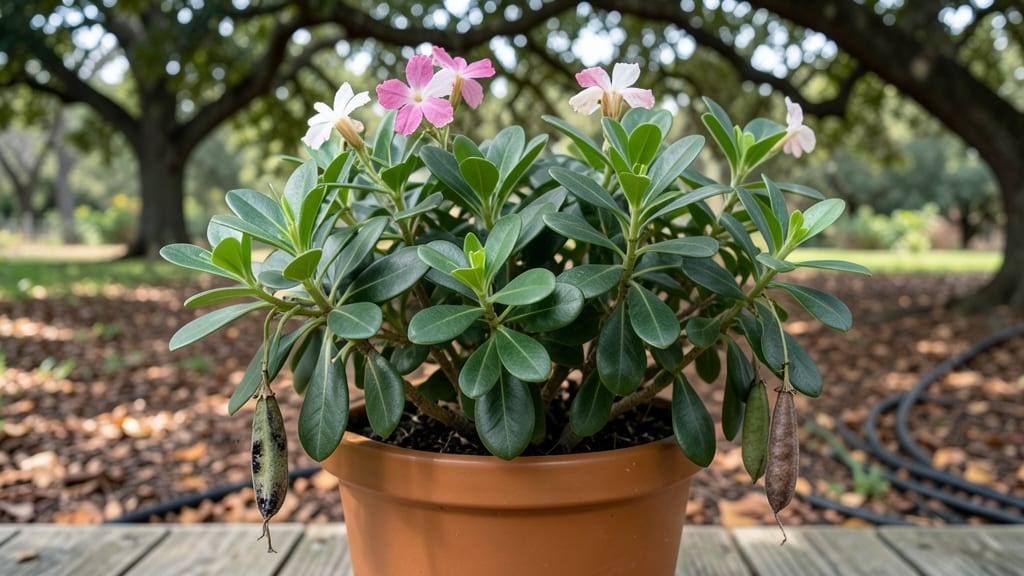
Testing vinca seed pods for viability before drying saves you from wasting time on seeds that won’t sprout. 🌱 I’ve learned the hard way that not all pods contain usable seeds—some are empty or too old. The trick is checking them before drying, and it only takes a few minutes.
Start by harvesting pods when they’re fully brown and split open, usually in late summer or early fall. Pop open a few and look for plump, dark seeds inside. If most are shriveled or empty, those pods aren’t worth saving. A good batch should have at least 70% full seeds.
Once you confirm viability, dry the pods in a paper bag for 1-2 weeks in a warm, dry spot. Store them in an airtight container in a cool, dark place. Germination takes patience—stratify seeds for 4-6 weeks in the fridge before planting for best results.
This method works for all vinca varieties, from creeping myrtle to greater periwinkle. Skip the guesswork and grow vinca reliably from seed every time!
📚 In This Guide
- What you need
- Instructions
- Tips and common mistakes
- Wrapping up and next steps
What you need
- ● Fresh vinca seed pods: Collect 10–20 mature, healthy pods (ensure they’re fully developed and slightly wrinkled).
- ● Paper towels or coffee filters: 2–3 sheets (for moisture control).
- ● Plastic zip-top bags: 2–3 quart-sized bags (with a sealable closure).
- ○ Permanent marker: For labeling (optional but helpful!).
- ● Spray bottle with water: For light misting (avoid soaking!).
- ● Small bowl or container: For mixing (if using a germination medium).
- ● Fine-tip scissors or pruners: To carefully open pods if needed.
- ● Ruler or measuring tape: For tracking seedling growth (if testing over time).
- ● Notebook or spreadsheet: To log observations (dates, moisture levels, etc.).
- ● Grow lights or sunny windowsill: For consistent light exposure during testing.
- ● Ensure pods are fully dried on the plant but still intact (avoid overripe or moldy pods).
- ● Work in a clean, dry space to prevent contamination.
- ● Have a patience mindset—viability tests take 7–14 days!
How to test vinca seed pods for viability before drying
Skip the guesswork—this simple test tells you exactly which seeds are worth saving.
🌱 Step 1: Harvest and Prepare Mature Pods
Collect fully mature vinca seed pods—they’ll turn from green to a deep brown or black when ready. Gently twist or cut them open to release the small, flat seeds inside. I like to work on a clean sheet of paper so nothing gets lost in the grass.
Empty the seeds into a bowl and sort through them. Remove any debris, chaff, or shriveled seeds—these won’t germinate. You’ll notice good seeds are plump, smooth, and a consistent dark brown color. Set aside only the firm, healthy-looking seeds for testing.
💧 Step 2: Perform the Water Float Test
Fill a clear glass or jar with room-temperature water. Drop in a handful of vinca seeds and let them sit undisturbed for 10-15 minutes. This test separates viable seeds (those that sink) from empty or damaged ones (which float).
After the waiting period, gently stir the water with your finger. Viable seeds will sink to the bottom, while hollow or nonviable seeds will remain floating. Skim off the floaters—they’re not worth saving. Drain the water and pour the sunk seeds into a paper towel to dry briefly.
☀️ Step 3: Conduct the Paper Towel Germination Test
Lay a paper towel flat on a plate or shallow dish. Moisten it with a spray bottle until damp but not soaking. Arrange the viable seeds in a single layer, spaced about ½ inch apart. Fold another damp paper towel over them to create a sealed, humid environment.
Place the plate in a warm spot—70-75°F works best—out of direct sunlight. Check daily for the first signs of germination, which usually appear within 5-7 days. You’ll see tiny white roots emerging first, followed by the seedling’s first leaves.
⏰ Step 4: Store Viable Seeds Properly
Once you’ve confirmed germination, let the seeds dry completely at room temperature for 24 hours. Store them in a small envelope or airtight container with a silica gel packet to absorb moisture. Label it with the date—vinca seeds stay viable for 2-3 years if kept dry and cool.
This test saves you from wasting time drying and storing seeds that wouldn’t grow anyway. Now you can focus on the good ones, knowing they’ll sprout reliably when you’re ready to plant.
Tips & tricks for perfect vinca seed viability testing
These simple strategies will help you get the most accurate results from your vinca seed testing—saving you time and frustration.
Selection Tip: In Step 1, when harvesting mature pods, focus on those that are completely dry and have turned deep brown or black. Green pods or those with any moisture still inside won't yield viable seeds. I've learned this the hard way after trying to test seeds from partially mature pods—always wait until they're fully mature before harvesting.
Timing Secret: The 10-15 minute water float test in Step 2 is crucial—don't rush it! Some seeds might start sinking after just 5 minutes, but waiting the full time ensures you catch any slow-sinking viable seeds. After 15 minutes, stir gently with your finger to distinguish between true floaters (nonviable) and seeds that might sink slowly. This simple action prevents you from accidentally discarding potentially good seeds.
Environmental Control: For the paper towel germination test in Step 3, maintaining that 70-75°F temperature is key. If your home runs cooler, place the plate on top of your refrigerator or near a sunny window (but not in direct sunlight). I've found that consistent warmth speeds up germination—you might see those first white roots in just 3-4 days instead of the full 5-7 days if conditions are ideal.
Pro Tips for Vinca Seed Pods
- These simple strategies will help you get the most accurate results from your vinca seed testing—saving you time and frustration.
- Selection Tip: In Step 1, when harvesting mature pods, focus on those that are completely dry and have turned deep brown or black.
- Timing Secret: The 10-15 minute water float test in Step 2 is crucial—don't rush it!
Frequently asked questions
about vinca seed pods can help you navigate the process with confidence! Here are some common queries and straightforward answers:When do vinca seed pods appear after flowering?
Vinca seed pods typically form 4–8 weeks after the flowers bloom, depending on your climate and growing conditions. In warmer regions, this process may happen faster. Keep an eye on your plants—once the pods turn brown and papery, they’re ready for harvesting!
How long can I leave vinca seed pods on the plant before drying?
You can leave the pods on the plant until they’re fully mature (brown and dry to the touch), which usually takes 2–4 weeks after flowering. However, if rain or pests are a concern, harvest them earlier and dry indoors. Overripe pods may split open and scatter seeds prematurely!
What if my vinca seed pods don’t open naturally?
If the pods stay closed, gently squeeze or tap them to release the seeds—or cut them open with clean scissors. Some varieties (like Vinca minor) may need a little help. Store the seeds in a cool, dry place until you’re ready to plant them!
Can I collect vinca seeds from wild plants?
Yes, but check local regulations first—some areas protect native plants. If harvesting wild seeds, ensure the plant is healthy and not at risk. For best results, grow vinca from nursery-collected seeds to avoid potential pests or diseases from wild sources.
How should I store vinca seeds until planting?
Store seeds in a paper envelope or breathable container in a cool, dark place (like a fridge) for up to 1–2 years. Avoid plastic bags to prevent mold. Label the container with the date and variety—vinca seeds lose viability over time, so plant them as soon as possible for the best germination!
Wrapping up and next steps
Testing the viability of vinca seed pods before drying is a simple yet game-changing step for gardeners! By following these stress-free methods—like the water float test or the cut-and-squeeze trick—you’ll save time, resources, and effort while ensuring healthier plants. You’ve got this! 🌱
Now that you’re armed with the knowledge, take action: gather your pods, run the test, and start drying with confidence. Happy gardening—your future vinca blooms will thank you! 🌿✨