
Planting
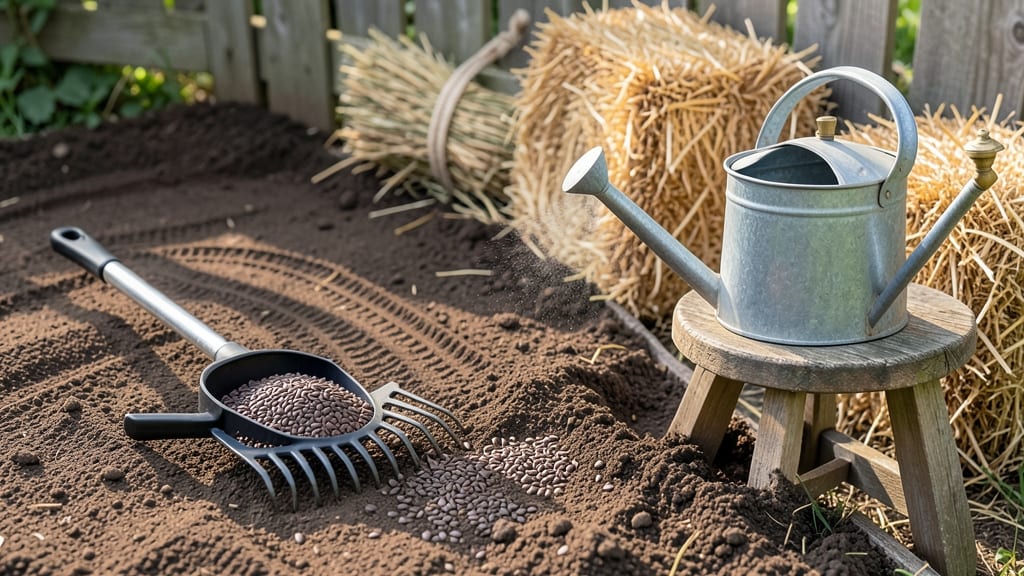
Planting grass seed in spring is all about catching that sweet spot between frost and scorching heat—when soil warms to 50-60°F and stays consistently moist. 🌱 I learned the hard way that seeding too early means seedling freeze-out, while waiting too long risks drought stress.
The key is knowing your grass type: cool-season grasses (like Kentucky bluegrass) thrive when planted 4-6 weeks before your last frost, while warm-season grasses (like Bermuda) need to wait until late spring or early summer when soil is toasty. The secret weapon?
A simple soil test and a light rake to break up crust. You don’t need fancy tools—just a garden fork, some compost, and a sprinkler set to gentle mist.
My first attempt failed because I rushed it; now I mark the calendar for mid-April in my zone 6, when the ground is workable but not baking. That’s when the real magic begins—tiny sprouts pushing through the soil in just 7-14 days.
What you’ll end up with is a thick, green carpet that outcompetes weeds and holds up through summer heat. The trick is keeping seeds moist for the first two weeks without drowning them—think of it like nurturing a newborn, but with a hose.
By late summer, you’ll have a lawn that’s the envy of the neighborhood, all because you timed it right. Works for both new lawns and patchy areas—just adjust the seed rate. And if you’re in a warmer zone? Wait until May or June when the soil is properly warmed.
The rest is just patience and a little water wisdom. Let’s get those seeds in the ground!
📚 In This Guide
- What you need
- Instructions
- Tips and common mistakes
- Wrapping up and next steps
What you need
- ● High-quality grass seed: Choose a blend suited to your climate and lawn use (e.g., cool-season for northern regions, warm-season for southern). Quantity: ~5–10 lbs per 500 sq ft (check seed bag for exact coverage).
- ● Lawn soil tester kit: Ensures your soil’s pH (ideal: 6.0–7.0) and nutrient levels are optimal for seeding.
- ● Lawn fertilizer: Slow-release, starter fertilizer (e.g., 10-10-10 or 20-20-20) to kickstart growth. Apply: ~½ lb of nitrogen per 1,000 sq ft.
- ● Topsoil or compost: 1–2 inches to improve soil texture and seed-to-soil contact.
- ○ Broadcast spreader: For even seed distribution (manual or drop-type). Optional: Hand spreader for small areas.
- ● Rake (bow or leaf rake): Fine-toothed for leveling soil, coarse-toothed for removing debris.
- ● Water source + hose nozzle: Adjustable for gentle, even watering (e.g., rainfall setting).
- ○ Lawn roller (optional but helpful): Lightweight (50–100 lbs) to press seed into soil.
- ● Pre-emergent herbicide: Apply before seeding to prevent weeds (follow label timing!).
- ● Seed germination blanket: Thin, biodegradable fabric to retain moisture in dry climates.
- ● Soil conditioners: Gypsum (for clay soil) or peat moss (for sandy soil).
- ● Garden gloves + knee pads: For comfort during prep and planting.
- ● Weather forecast app: To track 5–7 day forecasts for ideal planting windows.
Step-by-step guide to planting grass seed in spring
Timing matters more than you think—get this right, and you'll have a thick, green lawn by summer.
🌱 Step 1: Wait for Ideal Soil and Weather Conditions
Your first move is patience. Plant grass seed too early, and cold soil will slow germination or even rot seeds. Aim for when daytime temperatures consistently stay above 50°F—that's usually 2-4 weeks after your last frost date. For cool-season grasses (like Kentucky bluegrass or fescue), this means early spring; warm-season grasses (like Bermuda or Zoysia) need to wait until late spring.
Check the soil temperature with a thermometer—it should be at least 55°F for cool-season grasses or 65°F for warm-season types. If the ground feels cold or damp when you press your hand into it, wait a few more weeks. Rainy weather is fine, but avoid planting if heavy rain is forecasted within 48 hours—you want seeds to make contact with soil, not get washed away.
🌱 Step 2: Prepare the Soil Thoroughly
Skip this step, and weeds or compacted soil will choke your new grass. Start by mowing the existing lawn as short as possible, then remove all debris with a rake. For bare spots, loosen the soil with a garden fork or tiller to a depth of 3-4 inches. This breaks up compaction and lets roots penetrate easily.
Smooth the surface with a rake, then spread a thin layer of compost (about ¼ inch) over the area. This adds nutrients without overwhelming the seeds. If your soil is sandy, mix in a bit of peat moss to improve moisture retention. The goal is a level, crumbly bed—no clumps or uneven spots where seeds might collect.
💧 Step 3: Spread Seed Evenly and Lightly
Use a broadcast spreader for large areas or a hand spreader for small patches. Walk in a crisscross pattern to avoid missing spots or creating thick clusters. For most grasses, aim for ½ to ¾ pound of seed per 100 square feet—check the seed bag for exact rates. Over-seeding leads to weak, crowded grass, while under-seeding leaves bare patches.
Lightly rake the area again with a stiff-bristled rake to press seeds into the soil—just enough so they’re covered by ¼ inch of soil or compost. This ensures good seed-to-soil contact without burying them too deep. If you’re overseeding an existing lawn, you can skip the raking and just spread the seed over the mowed grass.
☀️ Step 4: Water Gently and Consistently
Watering is where most people go wrong. After planting, keep the soil evenly moist—not soggy, not dry. Use a gentle sprinkler or hose with a fine mist setting to apply ¼ inch of water daily for the first 2 weeks. You’ll know it’s enough when the top ½ inch of soil stays damp to the touch. Avoid overhead watering if possible; it can wash seeds away.
Once the grass reaches 2-3 inches tall, you can gradually reduce watering to ½ inch per week. Watch for signs of stress: if the grass turns grayish or feels spongy when you walk on it, it’s thirsty. If the soil looks muddy or seeds float to the surface, you’re overwatering. Consistency is key—skipping a day or two can set back germination.
⏰ Step 5: Monitor and Maintain for Strong Growth
Germination usually takes 7-21 days, depending on the grass type and weather. Cool-season grasses sprout faster in spring, while warm-season grasses may take longer. Once you see 1-2 inches of new growth, it’s time to mow—set the blade to 3 inches high to encourage deep root growth. Never remove more than ⅓ of the grass height at once.
Fertilize lightly 4-6 weeks after germination with a slow-release, low-nitrogen fertilizer (like 10-10-10). This gives the grass time to establish roots before pushing top growth. Keep an eye out for weeds—hand-pull them early, as they’ll compete with young grass for nutrients. With steady care, your lawn will fill in beautifully by late spring.
Tips & tricks for perfect spring grass seed planting
A few simple adjustments can make all the difference between patchy results and a vibrant lawn. Here's what we've learned from years of trial and error in our own backyards.
Soil Temperature Check: That 55°F soil temperature threshold for cool-season grasses isn't just a suggestion—it's the magic number where seeds wake up from dormancy. I always double-check with a soil thermometer because cold soil can delay germination by weeks. If you're planting warm-season grasses, wait until the soil reaches 65°F—this prevents seeds from rotting before they can sprout. Pro tip: Morning is the best time to check soil temperature since it's usually at its coolest then.
Weather Window Wisdom: The 48-hour rain rule is non-negotiable in our experience. We've seen too many seeds wash away during sudden downpours. That said, don't let perfect weather stop you—plant when conditions are right and be prepared to cover seeds with lightweight straw if rain is forecasted within that window. A clear plastic sheet held just above the seeds works wonders for keeping moisture in without smothering the soil.
Seed Depth Secret: That ¼ inch covering might seem minor, but it's crucial. Too deep and seeds won't get enough oxygen to germinate; too shallow and they'll dry out. We've found that using a leveling rake with fine tines gives the most consistent coverage. For sandy soils, you can lightly press seeds with your hand after spreading to ensure good contact without burying them.
Watering Technique: The ¼ inch daily guideline works perfectly if you use the right method. We recommend a gentle rain nozzle on your hose or a soaker hose placed at the edges of your planting area. Water in the morning so any excess evaporates during the day. Watch for puddles—if water pools, you're overwatering. The goal is to keep the top ½ inch of soil consistently damp, not soggy.
Pro Tips for When Plant Grass Seed In Spring
- A few simple adjustments can make all the difference between patchy results and a vibrant lawn.
- Soil Temperature Check: That 55°F soil temperature threshold for cool-season grasses isn't just a suggestion—it's the magic number where seeds wake up from dormancy.
- Weather Window Wisdom: The 48-hour rain rule is non-negotiable in our experience.
Frequently asked questions
Got questions about planting grass seed in spring?
You’re not alone! Here are answers to the most common concerns—so you can start your lush lawn journey with confidence.
What’s the best time to plant grass seed in spring?
The ideal window is after your last frost date (when soil temps hit 50–65°F) and before summer heat sets in. For most regions, this means mid-April to early June. Check your local frost dates to time it perfectly!
Do I need to water right after planting?
Absolutely!
Keep soil consistently moist (not soggy) for the first 2–3 weeks. Water lightly 2x daily (morning/evening) to help seeds germinate. Once grass reaches 3–4 inches, taper to 1 inch per week.
Can I plant grass seed over existing grass?
Yes, but only if your current lawn is thin or patchy. Mow short, rake debris, and overseed lightly. For thick turf, consider core aeration first to loosen soil. Avoid this method if weeds dominate—start fresh instead!
What if birds or pests eat my grass seed?
Use seed starter fertilizer (repels pests) and cover seeds with a thin layer of straw or peat moss. For stubborn critters, try chicken wire until germination. Pro tip: Plant in small sections to reduce exposure.
How long until I see green grass?
Germination time varies by grass type:
- Cool-season grasses (Kentucky bluegrass, fescue): 7–21 days
- Warm-season grasses (Bermuda, Zoysia): 10–30 days
Wrapping up and next steps
Planting grass seed in spring is your golden ticket to a thick, vibrant lawn—just follow the right timing and prep! Remember, late spring (after the last frost and when soil is warm) is ideal, and proper soil prep, seed selection, and care make all the difference.
With patience and the right techniques, you’ll soon enjoy a lush, green space that’s the envy of the neighborhood.
Ready to take the next step? Grab your gloves, pick your seed, and get planting! 🌱 For extra confidence, mark your calendar for follow-up watering and maintenance—your future lawn will thank you.