
Lawn
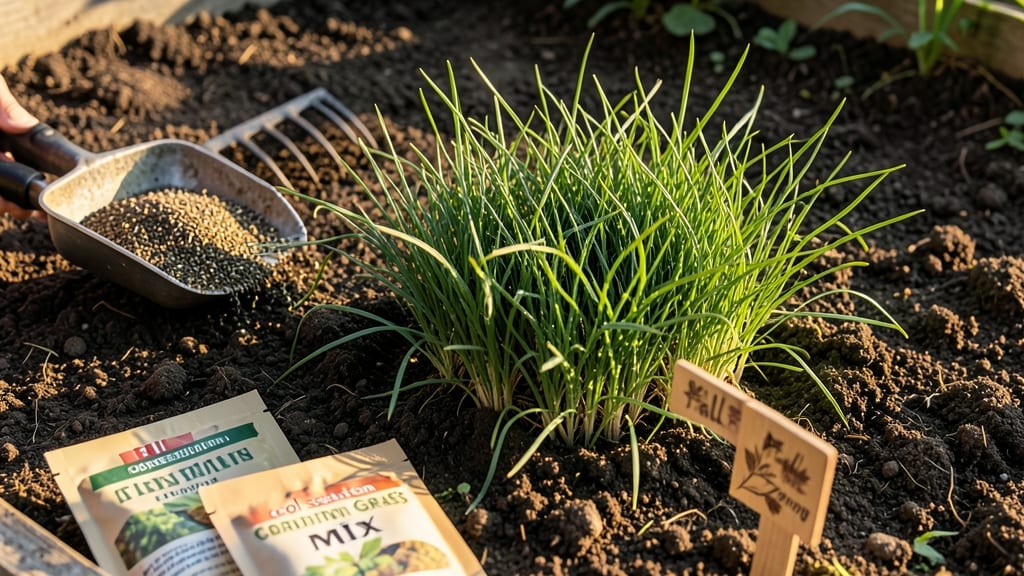
Will grass seed grow in the fall? Absolutely—my lawn went from patchy to lush after my first cool-season overseeding. ✨ The secret lies in timing, soil prep, and understanding how cool-season grasses like rye and fescue germinate best in mild temperatures (50–65°F) and consistent moisture. Most homeowners miss the window because they assume spring is the only time, but fall gives seeds a head start before winter dormancy.
You’ll need a few simple supplies: a rake, compost or starter fertilizer, and a light layer of straw to protect seeds. The key is prepping soil 2–3 weeks before planting—remove debris, loosen compacted areas, and test pH (aim for 6.0–7.0).
Watering becomes critical too: keep soil damp (not soggy) for the first 2–3 weeks, then taper off as roots establish. Frost won’t kill established seedlings, but a thick mulch layer helps them survive light freezes.
What you end up with is a lawn that fills in before spring, outcompetes weeds naturally, and resists summer heat better than spring-planted grass. My neighbors’ spring lawns always struggle with summer brown patches, while mine stays vibrant—thanks to the fall germination boost.
The trade-off? Spring planting gives you more sunlight, but fall’s cooler temps mean fewer weeds and less water stress.
Regional tweaks matter: Northern climates (Zones 3–5) can plant as early as August, while Southern zones (6–8) should wait until September–October. Avoid planting too close to frost—seeds need 4–6 weeks to germinate before winter slows growth.
Pro tip: Mark your calendar for 6 weeks before first frost—that’s your ideal planting window.
📚 In This Guide
- What you need
- Instructions
- Tips and common mistakes
- Wrapping up and next steps
What you need
- ● Grass seed: Choose a cool-season variety (e.g., Kentucky bluegrass, fescue, or ryegrass) for fall planting. Aim for 5–10 lbs per 1,000 sq ft, depending on your lawn’s condition.
- ● Lawn fertilizer: A starter fertilizer with a 10-10-10 or 16-16-16 NPK ratio (½–1 lb per 100 sq ft) to kickstart growth.
- ● Soil amendment: Compost or peat moss (1–2 inches spread evenly) to improve soil texture and nutrients.
- ● Rake: A bow rake (for leveling) and a garden rake (for seed-to-soil contact).
- ○ Broadcast spreader: A handheld or drop spreader for even seed distribution (optional but recommended for large areas).
- ● Watering tools: A hose with a sprinkler head or garden hose with adjustable nozzle.
- ○ A rain gauge (optional, to track moisture levels).
- ● Soil test kit: Check pH levels (ideal range: 6.0–7.0) before planting.
- ● Straw or mulch: Lightweight straw (¼–½ inch thick) to protect seeds from birds and erosion.
- ○ Lawn roller: A lightweight roller (optional) to press seed into soil gently.
- ● Weed blocker: Pre-emergent herbicide (apply 4–6 weeks after seeding) to prevent weeds.
- ● Knee pads or gloves: Because comfort (and clean hands) matter!
Step-by-step guide to germinating grass seed in fall
Fall is actually the best time to sow grass seed—here’s how to do it right.
🌱 Step 1: Test and Prepare the Soil
First, test your soil’s pH—cool-season grasses like fescue and rye thrive at 6.0-7.0. If your soil is too acidic, add pelletized lime (follow package rates) and work it in 2-4 weeks before planting to let it adjust. Fall’s cooler temps mean you won’t need to wait for summer’s heat to neutralize the soil.
Clear debris thoroughly—rocks, roots, and old thatch will block seed-to-soil contact. Use a raking motion to loosen the top ½ inch of soil without disturbing deeper layers. The goal is a fine, crumbly texture that lets moisture and roots penetrate easily. If your soil feels compacted, aerate lightly with a core aerator for better seed-to-soil contact.
💧 Step 2: Choose the Right Seed and Plant at Peak Timing
Cool-season grasses like tall fescue, Kentucky bluegrass, and perennial ryegrass are your best bets for fall planting. Sow 4-6 weeks before your first hard frost—this gives seeds time to germinate before winter dormancy sets in. For most regions, that’s mid-September to early October, but check your local frost dates.
Spread seed evenly using a broadcast spreader or by hand (I like to walk in a grid pattern to avoid gaps). Lightly rake the area again to press seeds ¼ inch deep—just enough to cover them, but not bury them too deeply. Over-seeding by 20-30% accounts for uneven spread and bird scatter.
☀️ Step 3: Water Deeply and Maintain Moisture
Water immediately after planting to settle seeds into the soil. For the first 2 weeks, keep the top 1-2 inches of soil consistently moist—like a wrung-out sponge. I set a gentle sprinkler on a timer for 10-15 minutes daily at dawn to reduce evaporation. Avoid wetting the grass in late afternoon, or fungal diseases like Pythium will take hold.
Once seedlings emerge (usually 7-14 days), switch to deep, infrequent watering—1 inch per week—to encourage strong root growth. You’ll know it’s working when grass blades feel stiff when pulled (not mushy). Let the top ½ inch dry between waterings after germination to prevent rot.
✂️ Step 4: Protect New Growth and Fertilize Lightly
If frost threatens before germination, cover the area with lightweight row covers or a thin layer of straw to insulate seeds. Remove covers as soon as temps rise above 40°F to avoid overheating. Fall’s cooler nights help prevent seedling stress, but sudden freezes can damage tender sprouts.
Apply a starter fertilizer with high phosphorus (P) (like 5-10-5) at planting to boost root development. Skip nitrogen-heavy fertilizers now—too much greenery before winter weakens roots. In late fall, add a slow-release, low-nitrogen fertilizer (like 10-0-10) to support dormancy without encouraging late-season growth.
🌿 Step 5: Monitor and Adjust for Winter
Watch for even, uniform germination—if patches are sparse, reseed bare spots in early spring. Thin seedlings to 1 inch apart once they reach 2-3 inches tall to reduce competition. Fall’s shorter days mean slower growth, so resist the urge to mow until grass reaches 3-4 inches in spring.
As winter approaches, reduce watering to once every 2-3 weeks unless soil is bone-dry. Healthy fall-sown grass will go dormant naturally, waking up stronger in spring. If snow covers the area, it’s providing free insulation—just brush off heavy accumulations to prevent smothering.
Tips & tricks for perfect fall grass germination
Here's what nobody tells you about getting fall grass seed to sprout like a pro—these tricks make all the difference.
Soil Test Timing: If your soil test shows pH below 6.0, spread pelletized lime 2-4 weeks before planting—this isn't optional. Fall's cooler temps won't neutralize acidity as quickly as summer heat would, so give it that extra time. I've seen lime take 6 weeks to fully adjust in cool fall soil, so don't wait until the last minute.
Seed Depth Precision: Those ¼ inch measurements matter more than you think. Use a ruler to verify your rake's depth—too deep and seeds suffocate, too shallow and they dry out. For sandy soil, press seeds just ⅛ inch deep since they need less coverage. The goal is to bury them just enough to protect from birds while still allowing sunlight to reach them.
Watering Hack: That 10-15 minutes daily sprinkler time works perfectly for most lawns, but adjust based on your soil type. Clay soils hold moisture longer—reduce to 10 minutes—while sandy soils need 15-20 minutes. I test by sticking my finger 1 inch deep—if it's dry, water longer. The key is keeping that top 1-2 inches consistently moist without waterlogging.
Frost Protection Strategy: When temps drop near 40°F at night, cover seeds with lightweight row covers or straw—but remove them by 10 AM when temps rise. I've seen seeds smothered by overnight covers that weren't removed, which actually prevents germination. Think of it like tucking seeds into a blanket at night but letting them wake up with sunlight in the morning.
Pro Tips for Will Grass Seed Grow In The Fall
- Here's what nobody tells you about getting fall grass seed to sprout like a pro—these tricks make all the difference.
- Soil Test Timing: If your soil test shows pH below 6.0, spread pelletized lime 2-4 weeks before planting—this isn't optional.
- Seed Depth Precision: Those ¼ inch measurements matter more than you think.
Frequently asked questions
Got questions about seeding your lawn in the fall? You’re in the right place! Here are some of the most common concerns—and straightforward answers—to help you get started with confidence.
What’s the best time to plant grass seed in the fall?
The ideal window is typically 4–6 weeks before your first hard frost (late August to early October in most regions). This gives seeds time to germinate and establish roots before winter slows growth. Check your local frost dates for precision!
Will grass seed still grow if frost hits before germination?
Most grass seeds won’t germinate in freezing temps, but established seedlings can handle light frost. If frost arrives early, opt for cool-season grasses (like fescue or ryegrass), which tolerate chill better. Water deeply before frost to protect young roots.
How often should I water grass seed in the fall?
Keep soil consistently moist (like a damp sponge) for the first 2–3 weeks. Water lightly 2x daily (morning/evening) to avoid washing seeds away. Once sprouts appear, reduce to 1 inch per week. A sprinkler with gentle mist works best!
Can I overseed an existing lawn in the fall, or do I need to reseed bare spots?
Both work! For overseeding, mow short (1–1.5 inches), rake lightly, and spread seed evenly. For bare patches, remove debris, loosen soil, and top-dress with compost. Fall is perfect for both—just ensure good seed-to-soil contact.
What if weeds pop up before my grass grows? How do I handle them?
Weeds are common early on, but don’t panic! Hand-pull them after germination (when grass is 2–3 inches tall) to avoid disturbing seeds. For stubborn weeds, use a vinegar-based spray (avoid chemical herbicides near new grass). Mulch lightly with straw to suppress weeds naturally.
What if fall temperatures stay unusually warm? Will the grass still thrive?
Warm falls can speed up germination, but too much heat (above 85°F) may stress seeds. If temps spike, water more frequently and consider shade cloth for bare spots. Cool-season grasses adapt better—choose varieties labeled for your climate zone.
Wrapping up and next steps
Fall is absolutely the perfect time to plant grass seed—cool temperatures and fewer weeds create ideal conditions for strong germination and root growth. 🌱 With the right preparation, patience, and a few simple steps, you’ll soon enjoy a lush, vibrant lawn. Don’t wait—take action now!
🚀 Your Next Step:
- Pick a cool-season grass variety (like fescue or ryegrass) suited for your climate.
- Test your soil and prep it with compost or fertilizer for optimal results.
- Start small—plant a test patch to refine your technique before tackling the whole lawn.
You’ve got this! A little effort in the fall can mean a greener, healthier lawn come spring.