Planting
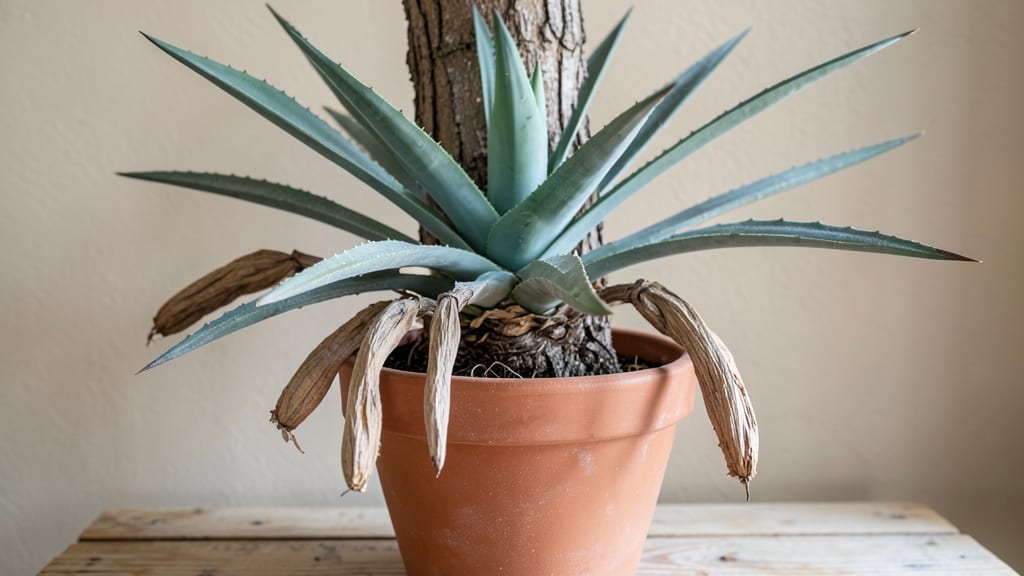
Yucca seed pods are nature’s slow-release seed bank—wait until they’re dry, papery, and brown before harvesting, and you’ll get viable seeds ready to plant any time of year. 🌱 I’ve collected pods from my desert-spired yucca for years, and the key is patience: these pods don’t rush, but when they’re ready, they yield seeds that germinate like clockwork.
The best part? You don’t need fancy tools or a greenhouse—just a dry spot and a little time.
Start by identifying mature pods—they’ll be 3-5 inches long, leathery, and split open slightly at the seams. Once you’ve got them, crack them open to reveal the flat, black seeds inside. Store them in a paper bag (no plastic!) in a cool, dry place until planting.
These seeds can stay viable for years if kept dry, making them perfect for gardeners who want to save seeds for future growing seasons.
Germination takes time—30-90 days—but the results are worth it. Plant seeds ½ inch deep in well-draining soil, keep it barely moist, and place them in bright, indirect light.
Yuccas thrive on neglect, so don’t overwater. Once they sprout, you’ll have hardy plants that can handle drought, heat, and even urban pollution—ideal for low-maintenance gardens.
If you’re in a cooler climate, start seeds indoors in early spring and transplant outdoors after the last frost. In warmer zones, you can sow directly in fall or winter.
The biggest mistake? Overwatering—yuccas hate soggy roots. With the right approach, you’ll end up with striking, architectural plants that add drama to any landscape.
📚 In This Guide
- What you need
- Instructions
- Tips and common mistakes
- Wrapping up and next steps
What you need
- ● Mature Yucca Plant: Choose a healthy, established Yucca species (e.g., Yucca filamentosa or Yucca gloriosa) with visible seed pods.
- ● Pruning Shears: Sharp, clean shears (sterilized with rubbing alcohol) to snip seed pods without damaging the plant.
- ● Paper Towels or Seed Paper: 2-3 sheets for drying and storing seeds.
- ● Small Paper Bags or Envelopes: 3-5 breathable bags/envelopes (brown paper works best) for seed storage.
- ● Labeling Tags or Markers: To note the date and plant variety.
- ○ Spray Bottle (Optional): Filled with water for occasional misting during drying.
- ○ Gloves (Optional): Thin gardening gloves to protect hands from sharp pod edges.
- ○ Desiccant Packs (Optional): 1-2 for long-term seed storage in dry climates.
- ● Notebook or App: For tracking pod maturity and harvest dates.
- ○ Humidity Monitor (Optional): To ensure seeds dry in ideal conditions (30-50% humidity).
Step-by-Step guide to harvesting yucca seeds from pods
Here's how to collect viable seeds without stressing your plant—no gloves or tools required.
🌱 Step 1: Identify and Wait for Ripe Seed Pods
Yucca seed pods start green and firm, then turn brown and papery as they mature. I wait until pods are completely dry and split open naturally—this usually takes 6-8 weeks after flowering. A ripe pod will feel light when shaken and may open slightly on its own.
Don't rush this step. Green pods contain immature seeds that won't germinate. You'll know they're ready when they look like dried husks and crumble easily between fingers. I check my plants weekly in late summer or early fall when pods typically ripen.
🌿 Step 2: Collect Seeds Without Damaging the Plant
Gently twist the dried pod from the stem—it should detach cleanly with minimal resistance. Place the pod in a paper bag and leave it in a dry, shaded spot for 24-48 hours. This lets any remaining seeds fall out naturally from the pod's interior.
If seeds stick stubbornly, lightly tap the pod against the bag's side. Never cut or force open pods—they're fragile and seeds may be damaged. I've found that patience here pays off; forcing the process often ruins viable seeds.
⏰ Step 3: Separate and Store Seeds Properly
Empty the seeds into a clean container and remove any chaff or debris by winnowing—simply pour them onto a flat surface and let wind carry away the lighter particles. Store seeds in an envelope with a desiccant packet to prevent moisture buildup.
Label the envelope with the date and variety (if known). Yucca seeds remain viable for 1-2 years when stored in a cool, dark place at 50-60°F. I keep mine in my refrigerator's crisper drawer until ready to plant.
☀️ Step 4: Prepare Seeds for Germination (Optional)
Yucca seeds benefit from a stratification period to break dormancy. Place seeds between damp paper towels in a sealed plastic bag and refrigerate for 4-6 weeks. Check weekly to ensure towels stay moist but not soggy.
After stratification, sow seeds ¼ inch deep in well-draining soil mix. Keep the soil consistently moist but never waterlogged. Germination typically occurs in 2-4 weeks at 70-75°F. I use a heat mat for faster results in cooler climates.
🪴 Step 5: Transplant Seedlings for Outdoor Growth
Once seedlings develop 2-3 true leaves, transplant them to individual pots. Yuccas thrive in full sun and well-draining soil. Harden off seedlings by gradually increasing outdoor exposure over 10-14 days before permanent planting.
Space mature plants 3-5 feet apart to allow for their eventual size. Yuccas grow slowly but can live for decades with proper care. I've seen my oldest plants reach 6 feet tall after just five years in the ground.
Tips & tricks for perfect yucca seed pod harvesting
Common pitfalls—and how to sidestep every one when harvesting yucca seeds.
Timing Secret: The 6-8 week wait for pod maturity is non-negotiable. I learned this the hard way after trying to harvest green pods—those seeds won't germinate. Mark your calendar when you spot flowers, as pods take this full time to ripen. A quick shake test helps: ripe pods feel hollow when shaken, while unripe ones feel heavy and firm. This simple check saves you from wasting time on immature seeds.
Gentle Handling Matters: Never force open yucca pods—they're delicate and contain fragile seeds. The 24-48 hour drying period in Step 2 is your friend. Place pods in a paper bag and let them release seeds naturally. I've found that even the slightest pressure can crush seeds, reducing your germination success. If seeds resist, a gentle tap against the bag works better than prying them open.
Storage Wisdom: That desiccant packet in Step 3 isn't optional—it's essential. Yucca seeds absorb moisture quickly, which can cause mold or premature sprouting. I store mine in the crisper drawer at 50-60°F because my kitchen gets too warm in summer. The refrigerator's consistent temperature helps maintain viability for the full 1-2 years. Labeling with the date prevents mix-ups, especially if you're harvesting multiple varieties.
Optional Stratification: While the 4-6 week cold treatment in Step 4 breaks dormancy, you can skip it if you're impatient. Some seeds will still germinate without stratification, though germination rates may be lower. If you choose to stratify, check moisture weekly—soggy towels lead to moldy seeds. I've had success with both methods, but the cold treatment gives me more consistent results.
Pro Tips for Yucca Plant Seed Pods
- Common pitfalls—and how to sidestep every one when harvesting yucca seeds.
- Timing Secret: The 6-8 week wait for pod maturity is non-negotiable. I learned this the hard way after trying to harv...
- Gentle Handling Matters: Never force open yucca pods—they're delicate and contain fragile seeds. The 24-48 hour dryin...
Frequently asked questions
Got questions about harvesting yucca seed pods?
You’re not alone! Here are answers to the most common queries—from timing to troubleshooting—to help you succeed with this hands-off method.
When is the best time to harvest yucca seed pods?
Harvest seed pods when they turn dry and papery (usually late summer to early fall). Avoid picking them too early—they won’t be viable, or too late, as they may split open and scatter seeds. Look for pods that pop open easily when gently squeezed.
How long do yucca seed pods take to mature?
Mature pods typically take 6–12 months to develop, depending on climate and plant health. In warmer regions, pods may mature faster (6–8 months), while cooler areas could extend this to a year. Patience is key—don’t rush it!
What do I do if my seed pods won’t open naturally?
If pods stay closed, try these tricks:
- Place them in a paper bag for a few days to encourage natural splitting.
- Gently squeeze the pod to coax seeds out (wear gloves—yucca fibers can irritate skin!).
- If still stubborn, let them dry further in a sunny, well-ventilated spot.
If all else fails, cut open the pod with sterilized scissors.
Can I harvest yucca seeds year-round, or is there a specific season?
While yucca plants produce pods year-round in warm climates, late summer/fall is ideal for viability. In colder regions, harvest before the first frost to prevent seed damage. Store seeds in a cool, dry place if not planting immediately.
What if I don’t have a yucca plant—can I buy seeds instead?
Yes! You can purchase yucca seeds online or from nurseries, but freshly harvested seeds often germinate better. If buying, choose organic, non-GMO seeds for the best results. Just note: Store-bought seeds may lack the hands-off charm of harvesting your own!
Are yucca seed pods safe to handle?
Yes, but with caution! Yucca fibers can cause mild skin irritation. Wear gloves when handling pods or seeds, and avoid touching your face. If you’re sensitive, rinse hands with soap and water afterward. The seeds themselves are non-toxic but best kept away from pets.
Wrapping up and next steps
Yucca plant seed pods offer a hands-off, rewarding way to harvest viable seeds year-round—no fuss, just nature’s timing! 🌱 Whether you’re a seasoned gardener or a curious beginner, these hardy pods simplify propagation while adding a touch of wild beauty to your space. Now’s the perfect time to put this knowledge into action:
- 🌿 Start small: Pick 1-2 mature yucca plants to observe their pods—patience pays off!
- 📅 Plan ahead: Mark your calendar for late summer/fall when pods are ripe and ready.
- 🌍 Share the bounty: Once you’ve mastered it, gift seeds to fellow plant lovers!
Your green thumb is about to level up—go forth and grow! 🌟