
Lawn
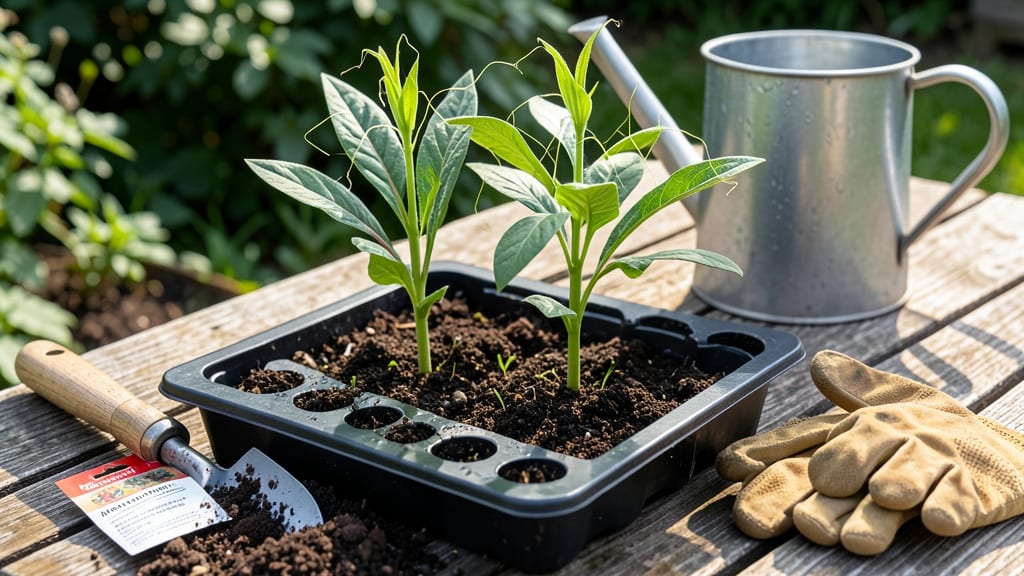
Amaranth seeds transform your lawn into a vibrant, 60-day showstopper—edible, drought-tolerant, and impossible to ignore. 🌻 I planted mine last spring, and by midsummer, the deep red plumes stood taller than my knees, drawing hummingbirds while my kids snacked on the nutty-tasting leaves. The secret?
Timing, soil, and a little patience—no fancy equipment needed. Start with well-draining soil (amaranth hates soggy roots) and scatter seeds ½ inch deep, 12 inches apart. They germinate in 7-14 days, but don’t rush—consistent moisture is key.
Once sprouted, thin seedlings to 18 inches apart for full, bushy growth. Sunlight? The more, the better—full sun yields the boldest blooms and most tender greens. By day 60, you’ll have a 5-foot-tall edible masterpiece that doubles as a pollinator magnet.
The flowers dry beautifully for arrangements, while the leaves stay crisp for salads. Just watch for slugs (they love young shoots) and keep watering steady—drought stress stunts growth. Works in any sunny lawn spot, from borders to containers.
Here’s how to avoid the most common pitfalls—like overcrowding or under-watering—so your amaranth thrives from seed to harvest.
📚 In This Guide
- What you need
- Instructions
- Tips and common mistakes
- Wrapping up and next steps
What you need
- ● Amaranth seeds: 1–2 oz (about 30–60 seeds) per 10 sq ft. Opt for ornamental varieties like 'Love Lies Bleeding' or 'Black Prince' for striking blooms.
- ● Well-draining soil: Mix in compost or aged manure (1 part compost to 3 parts soil) for nutrient-rich beds. Amaranth thrives in full sun (6+ hours/day).
- ● Watering can or hose: With a gentle spray nozzle to avoid displacing seeds.
- ● Planting tray or direct sowing area: If starting indoors, use 2–3" deep trays with drainage holes.
- ● Hand trowel or small shovel: For digging shallow furrows (½" deep).
- ○ Gloves (optional): To protect hands from prickly stems if handling mature plants.
- ● Mulch (straw or shredded leaves): 1–2 inches thick to retain moisture and suppress weeds.
- ● Fertilizer (balanced 10-10-10 or compost tea): Light application after germination (avoid over-fertilizing).
- ● Warm soil: Wait until nighttime temps stay above 50°F (10°C)—amaranth hates cold!
- ● Sunny spot: Clear a patch of your lawn or garden bed with no shade from trees/buildings.
- ● Patience: Seeds germinate in 7–14 days—keep soil moist until sprouts appear!
Step-by-step instructions for planting amaranth seeds
Ready to transform your garden into a vibrant, low-maintenance display? Here’s how to grow amaranth from seed with bold, long-lasting blooms.
🌱 Step 1: Choose the Right Location and Prepare the Soil
Amaranth thrives in full sun—at least 6-8 hours daily—so pick a spot where it won’t be shaded by trees or structures. The soil should drain well but retain moisture, so avoid heavy clay unless amended with compost. Work in 2-3 inches of compost or aged manure to enrich the soil before planting. Amaranth tolerates poor soil better than most plants, but it rewards you with bigger, brighter blooms when the ground is fertile.
Test your soil’s moisture by squeezing a handful—it should hold together but not feel soggy. If your soil drains too quickly (like sandy soil), mix in 1-2 inches of peat moss to help retain moisture. Avoid fresh manure, which can burn tender seedlings. The ideal planting time is 2-3 weeks after your last frost date, when soil temperatures reach at least 60°F.
🌱 Step 2: Sow Seeds Directly in the Garden
Skip the indoor starting phase—amaranth seeds germinate quickly and dislike transplanting. Plant seeds ½ inch deep and 12-18 inches apart in rows spaced 18-24 inches apart. Scatter seeds loosely—amaranth grows in clumps, so you can thin later. Press them gently into the soil with your fingers to ensure good seed-to-soil contact, which speeds up germination.
Water the area lightly after planting to settle the soil, but don’t oversaturate—amaranth seeds rot if buried too deep or kept too wet. Cover the seeds with a light layer of mulch (like straw or shredded leaves) to protect them from birds and retain moisture. Germination typically occurs in 7-14 days, depending on soil warmth. Once sprouts appear, remove the mulch to prevent damping-off disease.
☀️ Step 3: Provide Consistent Water and Watch for Growth
Amaranth is drought-tolerant once established, but seedlings need 1 inch of water per week to thrive. Water deeply at the base of the plant in the morning to reduce evaporation and prevent fungal diseases. Avoid overhead watering, which can spread mildew on the leaves. You’ll know your plants are happy when they develop deep green, glossy leaves and begin branching out.
Fertilize lightly 4-6 weeks after germination with a balanced, water-soluble fertilizer (10-10-10) diluted to half strength. Too much nitrogen promotes leafy growth at the expense of blooms, which is why amaranth is often overlooked. Instead, focus on phosphorus and potassium to encourage strong stems and vibrant flowers. Watch for first true leaves—these are your cue to start thinning seedlings if they’re crowded.
✂️ Step 4: Support and Maintain for Maximum Blooms
As plants reach 12-18 inches tall, they may need staking or support, especially in windy areas. Use bamboo stakes or cages to keep stems upright and prevent flopping. Deadhead spent blooms regularly to encourage continuous flowering—this is where amaranth’s 60-day bloom window comes from. The more you prune, the longer the plant produces fresh flowers.
Be on the lookout for aphids or spider mites, which can stress plants in hot weather. Spray with neem oil or a soapy water solution if you spot clusters of pests. Amaranth is generally pest-resistant, but stressed plants attract trouble. Harvest blooms in the morning for the brightest color—cut stems at a 45-degree angle just above a leaf node to encourage bushier growth.
⏰ Step 5: Extend the Season with Proper Care
In cooler climates, amaranth may bolt (go to seed) quickly. To delay flowering and prolong the bloom period, pinch back the tips of the main stems when they reach 6-8 inches tall. This encourages bushier growth and more side shoots. If frost threatens before you’ve enjoyed the blooms, cut stems at the base and bring them indoors for a long-lasting bouquet.
After the first frost, allow the plants to dry completely on the stem. The seeds will turn hard and dark—collect them for next year’s planting. Amaranth is a self-seeding annual, so some may resprout on their own if left in place. Store seeds in a cool, dry place for up to 2 years. With proper care, your amaranth will reward you with bold, long-lasting blooms that outshine many garden favorites.
Tips & tricks for perfect amaranth blooms
Amaranth’s vibrant blooms thrive on precision—these insider tips will help you maximize your garden’s potential without the guesswork.
Sunlight Strategy: While amaranth loves full sun, the 6-8 hours daily requirement is non-negotiable for those signature plumes. If your garden gets partial shade, choose the sunniest spot possible—even an hour less sunlight can reduce bloom size. I’ve seen amaranth in 5 hours of sun still produce flowers, but they’ll be smaller and less vibrant. Consider using reflective mulch around the base to bounce extra light onto the plants.
Soil Moisture Secret: The 60°F minimum soil temperature is crucial for germination, but maintaining moisture without overwatering is trickier. I’ve found that mixing 1-2 inches of peat moss into sandy soil creates the perfect balance—it retains moisture while preventing waterlogging. After planting, water deeply but only when the top inch of soil feels dry. Overwatering at this stage is the #1 reason amaranth seeds fail to sprout.
Germination Boost: Those 7-14 days for germination can feel like forever, but you can speed things up by pre-soaking seeds overnight in warm water before planting. This mimics natural rainfall and triggers faster sprouting. Just be sure to plant them within 24 hours of soaking—seeds left too long can develop mold. Also, keep the soil consistently warm (above 60°F) during this period by using black plastic mulch or a seedling heat mat if your climate is cool.
Pruning Payoff: The 60-day bloom window is where amaranth really shines, and deadheading spent blooms is key to extending it. I’ve seen plants continue flowering for weeks beyond the average when I remove faded blooms regularly. For maximum bushiness, pinch back the main stems when they reach 6-8 inches—this triggers more side shoots that will produce even more flowers. Just be gentle with the stems to avoid damaging the plant.
Pro Tips for Amaranth Seed Planting
- Amaranth’s vibrant blooms thrive on precision—these insider tips will help you maximize your garden’s potential without the guesswork.
- Sunlight Strategy: While amaranth loves full sun, the 6-8 hours daily requirement is non-negotiable for those signature plumes.
- Soil Moisture Secret: The 60°F minimum soil temperature is crucial for germination, but maintaining moisture without overwatering is trickier.
Frequently asked questions
Got questions about growing amaranth seeds? You’re not alone! Here are some of the most common queries—plus straightforward answers to help you get started with confidence.
When is the best time to plant amaranth seeds?
Amaranth thrives in warm soil, so wait until after the last frost when temperatures consistently stay above 50°F (10°C). For most U.S. regions, this means late spring or early summer. If you’re in a short-season area, opt for fast-maturing varieties like ‘Love Lies Bleeding’ (45–60 days).
How long does it take for amaranth seeds to sprout?
With the right conditions (warm soil, moisture, and sunlight), amaranth seeds typically sprout in 5–14 days. Keep the soil evenly moist but not soggy—overwatering can deter germination. If seeds don’t sprout within 3 weeks, they may need replanting or a warmer spot.
Can I grow amaranth in containers or small spaces?
Amaranth adapts well to containers as long as the pot is at least 12 inches deep and has drainage holes. Use a lightweight potting mix, and place the container in full sun. Dwarf varieties like ‘Illumination’ (12–18 inches tall) are perfect for balconies or patios.
What pests or diseases should I watch for with amaranth?
Amaranth is generally pest-resistant, but watch for aphids, spider mites, or leaf miners, especially in dry conditions. For aphids, spray with water or use neem oil. Rotate crops annually to prevent soil-borne diseases. If leaves yellow or wilt, check for overwatering or fungal issues—improve airflow by spacing plants 12–18 inches apart.
Can I save seeds from my amaranth plants for next year?
Yes! Let some flower heads dry on the plant until they turn brown and brittle (usually 6–8 weeks after flowering). Rub the seeds into a paper bag, then store them in a cool, dry place. Viability lasts 2–3 years if kept airtight. This is a great way to grow heirloom varieties!
Wrapping up and next steps
Growing amaranth seeds is a rewarding way to add vibrant, low-maintenance blooms to your lawn in just 60 days! With the right soil, sunlight, and care, these resilient plants thrive while attracting pollinators and adding a pop of color.
Whether you’re a beginner or seasoned gardener, their fast growth and drought tolerance make them a fantastic addition to any outdoor space.
Ready to get started? Clear a small patch of soil, grab your seeds, and plant them this weekend—your lawn (and pollinators!) will thank you. Happy planting! 🌱✨