Propagation
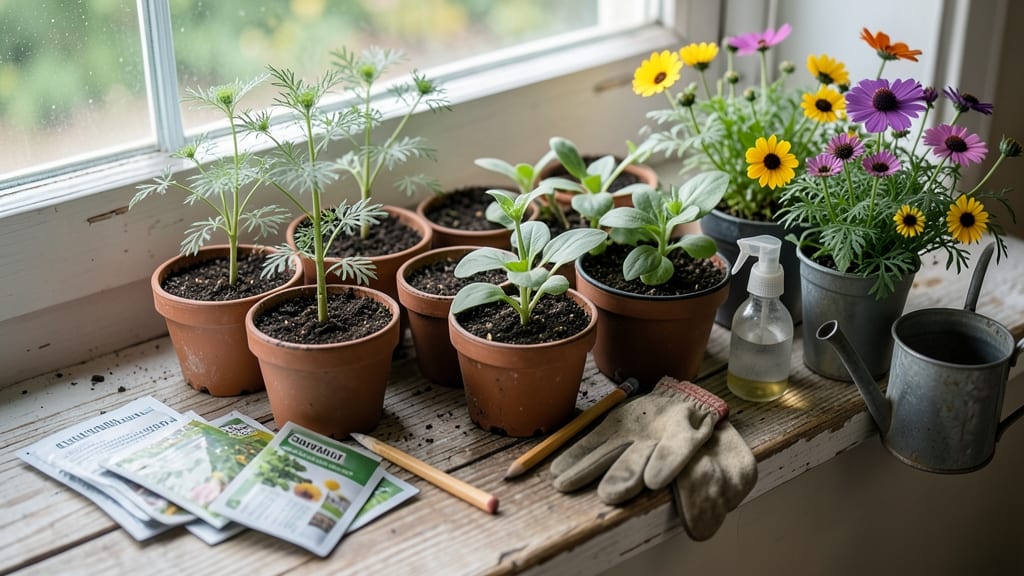
Growing wildflowers from seed in pots is the fastest way to turn your balcony or patio into a buzzing pollinator paradise—in just 60 days. 🌸 I started with a single 10-inch pot last spring and ended up with a riot of color that hummingbirds and bees couldn’t resist.
The secret? Mimicking nature’s loose, well-draining soil and giving them bright light without fuss.
You’ll need just three things: a pot with drainage holes, a mix of potting soil and perlite (to keep roots happy), and a handful of wildflower seeds—native mixes work best for local pollinators.
Scatter the tiny seeds on top of the soil (no burying!) and keep them moist but never soggy. Most varieties sprout in 7-14 days, and the first blooms arrive in about 6 weeks if you start indoors in early spring.
The payoff is instant: vibrant blooms that attract butterflies, bees, and even rare native insects. My pots stayed lush all summer with zero fertilizer, and the flowers kept coming back year after year.
The only rule? Move them to partial shade by late afternoon in hot climates to prevent wilting.
Perfect for renters, small spaces, or anyone tired of high-maintenance gardens. Once you master the basics, you can experiment with different seed mixes—sun-loving coneflowers or shade-tolerant violets—and create a pollinator buffet that thrives in containers. Let’s get those seeds going!
📚 In This Guide
- What you need
- Instructions
- Tips and common mistakes
- Wrapping up and next steps
What you need
- ● Wildflower seeds: Choose a pollinator-friendly mix (e.g., cosmos, black-eyed Susans, or native wildflowers). Aim for 1–2 teaspoons per 6-inch pot (adjust for larger pots).
- ● Seed-starting pots or containers: Individual biodegradable peat or coconut fiber pots (2–4 inches deep) or
- ● A shallow tray or nursery pot (with drainage holes) for sowing multiple seeds at once.
- ● Potting mix: Use a lightweight, well-draining mix (e.g., 50% peat moss/coco coir + 50% perlite or vermiculite). Avoid garden soil—it’s too dense!
- ● Drainage layer: Small pebbles or perlite (½ inch thick) to prevent root rot.
- ● Spray bottle (for gentle watering).
- ● Small hand trowel or spoon (for mixing soil and planting).
- ○ Clear plastic wrap or humidity dome (optional, to retain moisture during germination).
- ● Grow lights or sunny windowsill (6+ hours of light daily).
- ○ Fertilizer: Balanced liquid fertilizer (e.g., 10-10-10) diluted to half-strength (optional, after sprouting).
Step-by-step guide to growing wildflowers from seed in pots
Ready to transform small spaces into buzzing pollinator havens? Here's how to coax vibrant wildflowers from seed into bloom in just two months.
🌱 Step 1: Select the Right Containers and Soil Mix
Choose pots with drainage holes that are at least 6 inches deep—wildflowers need room for their roots to establish before flowering. I prefer 8-10 inch containers for better stability and moisture control. Fill them with a well-draining wildflower seed mix (never garden soil—it compacts too easily). This specialized blend contains sand and perlite to prevent waterlogging, which wildflowers despise.
Moisten the mix until it feels like a slightly damp sponge—not soggy, not dry. Press it down gently so the surface is firm but not packed. The goal is to create a loose, airy medium that allows tiny roots to push through effortlessly. I like to tap the sides of the pot once or twice to settle everything evenly before planting.
🌿 Step 2: Scatter Seeds Strategically
Wildflower seeds vary wildly in size—some are barely visible to the naked eye. For small seeds, sprinkle them evenly over the soil surface using a paper towel or fine mesh screen to avoid clumping. For larger seeds (like poppies or coreopsis), plant them ¼ inch deep in small clusters. The key here is not to cover them—most wildflowers need light to germinate.
I gently press the seeds into the soil with my finger, just enough to ensure they make contact. Then I lightly mist the surface with water until the soil looks evenly damp but not glistening. This prevents seeds from washing away while maintaining the moisture they need to sprout. A spray bottle works best—avoid heavy watering that could bury seeds too deep.
💧 Step 3: Maintain Ideal Moisture and Light
Place your pots in a bright, indirect light spot immediately after planting. Wildflowers need 6-8 hours of sunlight daily to germinate properly, but direct midday sun can scorch tiny seedlings. I start them under grow lights for 12-14 hours a day until they develop their first true leaves—usually 7-14 days depending on the variety.
Keep the soil consistently moist by watering every 2-3 days until the top inch feels dry. The moment you see seedlings emerge, switch to bottom-watering—place the pot in a tray of water for 10-15 minutes instead of watering from above. This prevents fungal diseases like damping-off that can wipe out seedlings overnight. Real talk: Overwatering is the #1 killer of young wildflowers.
☀️ Step 4: Transition to Full Sun and Thin Seedlings
Once seedlings reach 1-2 inches tall (about 3-4 weeks after planting), it's time to introduce them to full sun. Move pots to a south-facing location or under bright artificial light for 14+ hours daily. Wildflowers like black-eyed Susans and coneflowers thrive in direct sun, but some varieties (like shasta daisies) prefer partial shade—check your seed packet for specifics.
Thin seedlings to 3-4 inches apart when they develop their second set of true leaves. Use small scissors to snip unwanted plants at soil level—this prevents disturbing roots of the remaining seedlings. I always leave the strongest, most vibrant-looking plants, as they'll produce the most robust blooms. After thinning, water deeply to help roots recover.
⏰ Step 5: Fertilize Lightly and Watch for Blooms
Wildflowers are notoriously low-maintenance and often don't need fertilizer. However, if your soil is particularly poor, apply a balanced, water-soluble fertilizer (like 10-10-10) at half-strength 4-6 weeks after germination. This gives them a gentle nutrient boost without encouraging leggy growth. I skip fertilizer entirely for native wildflowers, as they're adapted to thrive in lean conditions.
The real magic happens 60-90 days after planting, when you'll see the first buds appear. Some varieties (like annual phlox) bloom quickly, while perennials (like purple coneflower) may take longer. Once flowers open, you'll notice bees, butterflies, and hummingbirds visiting within hours—this is the payoff! Deadhead spent blooms to encourage more flowers, but leave some seed heads for wildlife and next year's garden.
Tips & tricks for thriving wildflower pots
Here's what nobody tells you about growing wildflowers that makes all the difference between patchy pots and lush pollinator magnets.
Container Depth Matters: Those 6-inch minimum pots aren't just suggestions—they're non-negotiable for most wildflower varieties. I learned this the hard way when my first attempt in shallow nursery pots resulted in leggy, root-bound plants that never bloomed properly. For containers between 6-10 inches, you'll get the best balance of stability and drainage. If you're growing taller varieties like black-eyed Susans, opt for the larger end of that range—they'll reward you with stronger stems and more abundant flowers.
Light Timing is Everything: The 6-8 hours of sunlight during germination might seem generous, but it's actually the minimum—think of it as the absolute baseline. For the critical 12-14 hour grow light period until true leaves appear, position your lights just 6-12 inches above the seedlings. Too high and they'll stretch; too low and they'll scorch. I use a simple timer to automate this, which prevents the common mistake of inconsistent light exposure that leads to weak stems. Remember, these tiny plants are building their entire structure during this phase.
Seed Placement Precision: That quarter-inch depth for larger seeds isn't arbitrary—it's the Goldilocks zone where seeds get just enough soil contact to stay in place without being buried too deeply. For the nearly invisible tiny seeds, the paper towel trick works wonders by creating an even distribution without clumping. I've found that gently pressing seeds with your fingertip (not your palm) gives them just enough contact with the soil to anchor them without compacting the delicate mix.
Watering Wisdom: The 2-3 day watering schedule is your starting point, but the real secret is checking that top inch of soil. Use your finger to test—it should feel like a slightly damp sponge, not a wrung-out washcloth. That 10-15 minute bottom-watering session is where the magic happens for preventing damping-off. I've seen entire trays of seedlings lost overnight from top-watering that creates fungal conditions. The key is patience—let the soil dry slightly between waterings once seedlings are established.
Pro Tips for Growing Wildflowers From Seed In Pots
- Here's what nobody tells you about growing wildflowers that makes all the difference between patchy pots and lush pol...
- Container Depth Matters: Those 6-inch minimum pots aren't just suggestions—they're non-negotiable for most wildflower...
- Light Timing is Everything: The 6-8 hours of sunlight during germination might seem generous, but it's actually the m...
Frequently asked questions
Got questions about growing wildflowers from seed in pots?
You’re not alone! Here are answers to the most common ones to help you bloom with confidence.
Can I grow wildflowers from seed in pots year-round?
Wildflowers thrive best when planted at the right time—spring or early fall—when soil temps are mild (60–75°F). In pots, they’re more vulnerable to temperature swings, so avoid planting in extreme heat or frost. If you live in a warm climate, winter sowing (planting in late fall for spring blooms) can work too!
How long does it take for wildflower seeds in pots to sprout?
Germination time varies by species, but most wildflower seeds sprout in 7–30 days if kept moist and warm. Check the seed packet for specifics—some (like poppies) may take longer. Patience is key! Keep pots in a sunny spot and mist soil lightly until sprouts appear.
Do wildflowers need a lot of water when growing in pots?
Wildflowers are drought-tolerant, but young seedlings need consistent moisture to avoid drying out. Water pots from the bottom (place in a tray with ½ inch of water) to prevent fungal issues. Once established, let soil dry slightly between waterings—overwatering is worse than underwatering!
What’s the best pot size for wildflower seeds?
Start with small pots (3–4 inches wide) for individual seeds or shallow trays for mixed wildflower blends. Use well-draining soil (like a 50/50 mix of potting soil and perlite) to prevent root rot. Once seedlings are 2–3 inches tall, transplant them to larger pots (6+ inches) or directly into the ground.
Will wildflowers grown in pots still attract pollinators?
Pots are great for pollinators—just place them near windows, balconies, or gardens. Choose native wildflowers (like cosmos, black-eyed Susans, or milkweed) for maximum bee and butterfly appeal. Avoid pesticides, and let flowers go to seed to extend the feast for pollinators all season.
Why aren’t my wildflower seeds sprouting?
Common culprits: old seeds (plant fresh seeds within 1–2 years), too much water (seeds need air to breathe), or wrong temps (some need cold stratification—check seed packets). Try scratching seeds lightly with sandpaper or soaking overnight (for non-hard-coated seeds) to boost germination.
Wrapping up and next steps
Growing wildflowers from seed in pots is a rewarding way to bring vibrant color and life to your space while supporting pollinators! With the right materials, a little patience, and consistent care, you can enjoy blooming beauty in just 60 days.
Whether you’re a beginner or a seasoned gardener, this method proves that even small containers can make a big impact.
Ready to take the next step? Experiment with different wildflower varieties or try growing them in creative spots like hanging pots or window boxes. Your garden—and the bees, butterflies, and hummingbirds—will thank you! 🌸🐝