Lawn
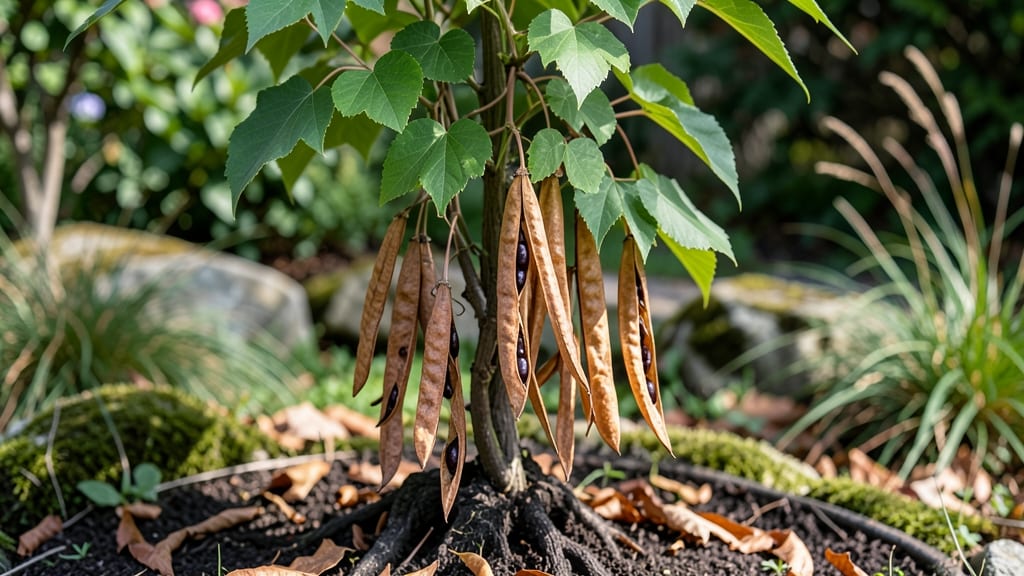
Those long, brown seed pods hanging from your American wisteria are nature’s built-in seed bank—decay-resistant until you’re ready to plant them. 🌿 I’ve watched mine persist through rain and wind, waiting for the perfect moment to unlock their potential, and I’ll show you how to work with this clever design instead of against it.
The key is timing: collect pods when they’re fully brown but still firm (usually late summer to early fall), then let them dry completely before cracking them open. No stratification needed—these seeds germinate reliably when you mimic their natural process of slow release from the pod.
Once you’ve extracted the seeds, you’ll see tiny, flattened beans that look almost too delicate to handle. Plant them just beneath the surface in well-draining soil, and keep the area consistently moist. Within 4-6 weeks, you’ll spot the first signs of those signature wisteria tendrils reaching for support.
Just remember: American wisteria grows aggressively. If you’re not prepared for its vigorous climbing habit, consider growing it in containers or monitoring its spread closely. With the right approach, you’ll have healthy seedlings ready to transform your space—safely and spectacularly.
📚 In This Guide
- What you need
- Instructions
- Tips and common mistakes
- Wrapping up and next steps
What you need
- ● American wisteria seed pods: 5–10 mature, dried pods (harvested in late fall/winter when they’re fully brown and brittle). Pro tip: 💡 Collect pods from healthy, pesticide-free vines to avoid contaminants.
- ● Heavy-duty gloves: 1 pair (nitrile or leather) to protect against sharp edges and potential skin irritation.
- ● Pruning shears or sharp scissors: 1 pair for trimming excess stems or cutting pods open.
- ● Hammer or mallet: 1 (for stubborn pods—gently tap to crack them open).
- ● Small screwdriver or butter knife: 1 (for prying open pods carefully).
- ● Paper towels or newspaper: 1–2 sheets to line your workspace and catch debris.
- ● Fine-mesh strainer or sieve: 1 (to separate seeds from chaff).
- ● Paper bags or envelopes: 2–3 (for storing seeds and dried pods).
- ● Rubbing alcohol (70% isopropyl) and cotton swabs: 1 bottle + swabs (for sterilizing tools between uses).
- ● Acrylic paint or natural dyes: Small bottles (for staining pods if crafting).
- ● Twine or jute string: 1 spool (for hanging dried pods as decor).
- ● Clear sealant spray: 1 can (to preserve pods for long-term displays).
- ● Magnifying glass: 1 (to inspect seeds for viability).
- ● Seed-starting mix: 1 small bag (if germinating seeds indoors).
- ● Work in a well-ventilated area: Seed pods release dust—avoid enclosed spaces!
- ● Wear safety glasses: Recommended if hammering pods to prevent debris in eyes.
- ● Check local regulations: Ensure wisteria isn’t invasive in your area before planting seeds.
- ● Dry pods completely: Moisture can cause mold—let pods air-dry for 1–2 weeks before handling.
How to extract seeds from American wisteria pods
Here's the simple method I use to harvest seeds without damaging the pods or wasting effort.
🌱 Step 1: Identify and Collect Mature Pods
American wisteria pods turn a deep brown when fully mature—wait until they're completely dry and papery to the touch. I tap them gently; if they rattle with seeds inside, they're ready. Harvest pods in late fall or early winter before they split open naturally on the vine.
Use clean pruning shears to cut the pods from the stem, leaving about ½ inch of stem attached. This prevents the pod from splitting prematurely during handling. Place pods in a paper bag to allow airflow while preventing seed loss.
🪴 Step 2: Prepare a Clean Work Surface
Spread a large sheet of newspaper or kraft paper on a flat, stable surface. The paper will catch seeds and debris while protecting your workspace. I always work near a window with good natural light—it makes spotting seeds easier.
Have a small bowl or container ready to collect seeds as you extract them. Avoid metal containers, as seeds can stick to them. A ceramic or glass bowl works best for smooth collection.
✂️ Step 3: Extract Seeds Gently
Hold the pod firmly and gently squeeze the sides near the seam where it naturally splits. The pod's design makes it easy to open—you'll hear a soft popping sound as it releases. Don't force it; American wisteria pods open naturally with minimal pressure.
Once opened, tip the pod over your container and tap it lightly with your finger. The seeds will fall out cleanly. You'll notice they're large and glossy—perfect for planting. Discard any empty seed pods or debris that doesn't contain seeds.
☀️ Step 4: Dry and Store Seeds Properly
Spread the extracted seeds on a clean, dry paper towel in a single layer. Place them in a warm, dry spot away from direct sunlight for 3-5 days to ensure they're completely dry. This prevents mold during storage.
Once dry, transfer seeds to a paper envelope or breathable fabric bag. Store in a cool, dark place like a seed drawer or airtight container with silica gel packets. Label the bag with the date—American wisteria seeds remain viable for 2-3 years when stored properly.
💧 Step 5: Prepare Seeds for Planting
Before sowing, soak seeds in lukewarm water for 24 hours to soften the outer coating. This speeds up germination, which can take 3-4 weeks under ideal conditions. I use a small glass jar with enough water to cover the seeds completely.
After soaking, plant seeds ½ inch deep in well-draining soil. American wisteria thrives in full sun to partial shade and tolerates a variety of soil types. Keep the soil consistently moist but not soggy until germination occurs.
Tips & tricks for perfect American wisteria seed extraction
Working with wisteria pods reveals their clever design—here's how to make the most of their natural structure while avoiding common pitfalls.
Timing Secret: Harvest pods when they're completely dry and papery to the touch, but before they split naturally. I've learned this the hard way—waiting too long means seeds scatter on the ground, while harvesting too early results in underdeveloped seeds that won't germinate. Look for that deep brown color and gentle rattle when tapping pods.
Pod Handling Technique: That ½-inch stem attachment in Step 1 isn't just for show—it acts as a natural hinge that prevents premature splitting. When cutting, make clean snips at a slight angle to preserve this structural advantage. Place pods in paper bags immediately after cutting to let airflow circulate while keeping seeds contained.
Seed Collection Strategy: The popping sound when opening pods is your cue to proceed gently. I use a small ceramic bowl because seeds stick to metal surfaces, and glass can scratch delicate seed coatings. For extra efficiency, work near a window where natural light highlights any debris mixed with seeds—this makes sorting easier and ensures you don't miss any.
Drying Wisdom: Those 3-5 days of drying are crucial for preventing mold. I spread seeds on a single layer of paper towel and place them in a warm spot away from direct sunlight—think of it like a gentle sauna. If you're in a humid climate, add a small silica packet to the drying area to absorb excess moisture. Properly dried seeds store beautifully for up to 2-3 years.
Pro Tips for American Wisteria Seed Pods
- Working with wisteria pods reveals their clever design—here's how to make the most of their natural structure while avoiding common pitfalls.
- Timing Secret: Harvest pods when they're completely dry and papery to the touch, but before they split naturally.
- Pod Handling Technique: That ½-inch stem attachment in Step 1 isn't just for show—it acts as a natural hinge that prevents premature splitting.
Frequently asked questions
Got questions about American wisteria seed pods? You’re not alone!
Here are some of the most common inquiries—plus straightforward answers to help you navigate these unique pods like a pro.
When do American wisteria seed pods mature and drop?
American wisteria seed pods typically mature in late summer to early fall (August–October), turning brown and papery before splitting open. They usually drop naturally by late fall or winter, though timing can vary based on climate. Pro tip: If pods linger past winter, they may need a gentle nudge—wear gloves and shake them over a tarp for easy collection!
Are these seed pods toxic or harmful?
Yes! All parts of American wisteria—including seed pods—contain toxic compounds like wisterin and lectins. Avoid handling without gloves, and never ingest them. Even dried pods can cause skin irritation or digestive upset. Safety first: Always wear gloves when working with them, and keep pets/kids away from fallen pods.
Can I reuse or repurpose American wisteria seed pods?
Once dried, these pods are naturally decay-resistant and make fantastic:
- DIY wind chimes (drill holes, add string)
- Floral arrangements (preserve their rustic texture)
- Seed dispersal projects (plant in fall for spring blooms)
How do I extract seeds without damaging the pods?
Gently squeeze the pod between your palms (wear gloves!) to release seeds—no tools needed. For stubborn pods, place them in a paper bag and shake vigorously. Warning: Avoid cutting or piercing; the pods’ natural fibers can splinter. Store seeds in a cool, dry place until planting (spring is ideal).
What if my wisteria pods won’t open naturally?
Pods may resist opening due to high humidity or immature seeds. Try these fixes:
- Sun-drying: Leave pods in direct sunlight for 2–3 days to speed up drying.
- Freeze-thaw cycle: Place pods in a sealed bag in the freezer overnight, then thaw at room temp.
- Gently tap: Use a wooden spoon to tap pods lightly—this mimics natural wind dispersal.
Wrapping up and next steps
American wisteria seed pods offer a unique blend of natural beauty and practicality, making them a fantastic choice for eco-conscious gardeners and DIY enthusiasts. Whether you're drawn to their decay-resistant design or their effortless seed extraction, these pods are a testament to nature’s ingenuity.
Now that you’re equipped with the know-how, why not give it a try? Gather your supplies, follow the steps, and enjoy the rewarding process of working with these stunning botanical treasures! 🌿✨
Ready to elevate your garden or craft project? Start experimenting today!