
Lawn
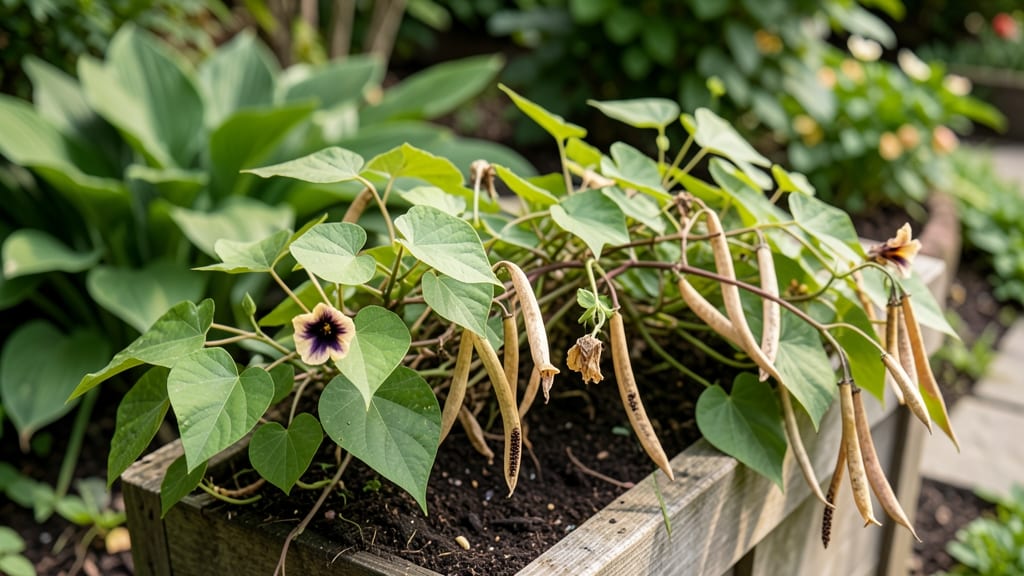
Those twist-resistant seed pods are nature’s way of saying, "Let’s grow more." 🌱 The Black-Eyed Susan vine (Thunbergia alata) produces unique pods that release seeds effortlessly when ready—no fuss, no force.
I’ve learned the best way to work with them: dry them properly, store the seeds correctly, and plant them at the right time for bold, trumpet-shaped blooms that last all summer.
Annual in most climates (zones 10-11 are the exception), this vine thrives in warm weather and loves climbing trellises or spilling over containers. The trick to success? Dry the pods completely before cracking them open—moisture is the enemy of seed viability.
Once you’ve got your seeds, they’ll germinate in 7-14 days with the right warmth and light.
Start indoors 6-8 weeks before your last frost for an earlier bloom, or direct-sow after soil temps hit 60°F. Keep seedlings moist but not soggy, and watch them shoot up into vibrant orange and yellow flowers that hummingbirds adore.
The pods themselves are a fun bonus—they’ll twist open on their own when seeds are ready to release.
Pro tip: Mix stored seeds with a little sand to prevent clumping, and label your packets. These vines are foolproof for beginners but still stunning enough to impress old hands. Once you’ve mastered the pods, you’ll never buy transplants again—just let nature do the work for you.
📚 In This Guide
- What you need
- Instructions
- Tips and common mistakes
- Wrapping up and next steps
What you need
- ● Mature Black Eyed Susan Vine seed pods (3–5 pods, fully dried and brownish in color)
- ● Tweezers or small pruning shears (for delicate handling)
- ○ Magnifying glass or handheld microscope (5x–10x magnification, optional but helpful for close inspection)
- ● Paper towels or white cardstock (for seed collection)
- ● Small bowl or container (to store seeds)
- ● Notebook and pencil (for sketching or recording observations)
- ● Digital caliper (for measuring pod dimensions, 0.01mm precision)
- ● Seed germination kit (if testing viability)
- ● Camera with macro lens (for documenting pod structures)
- ● Gloves (nitrile or cotton) (if handling large quantities of seeds)
How to harvest and save black-eyed Susan vine seed pods
Here's how to collect and store these unique seed pods for next season's garden.
🌱 Step 1: Identify and Collect Mature Seed Pods
The first thing to watch for is the pods changing from green to a papery brown color—this signals they're ready. I like to harvest on a dry morning when the pods are fully mature but before they split open naturally. The twist-resistant design means they won't crack open prematurely, but you'll still want to collect them before birds or wind scatter the seeds.
Gently twist each pod at its base until it releases from the vine. Place them in a paper bag to prevent moisture buildup. Avoid plastic bags—they'll create condensation that encourages mold. I usually collect pods from four healthy vines to ensure a good seed yield for next year.
☀️ Step 2: Dry the Pods Thoroughly
Spread the collected pods on a clean, dry surface in a well-ventilated area away from direct sunlight. A mesh screen or piece of window screen works perfectly—it allows air circulation while keeping pods contained. You'll know they're properly dried when the pods feel light and make a crisp sound when shaken together.
This drying process typically takes 5-7 days depending on your climate. If humidity is high, you might need to extend drying time to prevent mold. I keep an eye out for any pods that start to darken or develop spots—those should be discarded immediately to protect your seed stock.
💧 Step 3: Extract Seeds from the Pods
Once completely dry, gently squeeze each pod between your fingers to release the seeds. The twist-resistant design makes this process particularly satisfying—the pods naturally open along their seams without requiring force. Place the seeds in a clean bowl and separate them from any chaff or debris using a fine-mesh strainer.
I like to count the seeds as I go—this helps me gauge germination rates later. Black-eyed Susan vine seeds are relatively large, which makes them easy to handle. Store the clean seeds in a labeled paper envelope for immediate planting or long-term storage.
🪴 Step 4: Store Seeds Properly for Viability
For short-term storage (up to 6 months), keep seeds in a cool, dark place like a sealed container in your refrigerator. For long-term storage (up to 2 years), place the seeds in an airtight container with a moisture absorber like silica gel packets. I always include the collection date on the storage container—this helps track seed freshness.
The twist-resistant design of these pods actually contributes to longer seed viability. The natural protection from the pod structure means seeds maintain their vigor longer than many other vine varieties. When ready to plant, simply sow seeds directly in well-draining soil during spring or early fall.
⏰ Step 5: Prepare for Next Season's Planting
In early spring, prepare your planting site with well-draining soil enriched with compost. Black-eyed Susan vines thrive in full sun to partial shade and benefit from a trellis or sturdy support structure. Plant seeds ½ inch deep, spacing them 12-18 inches apart to allow for vigorous growth.
Water gently after planting to settle the soil, then maintain consistent moisture until germination occurs in 2-3 weeks. The twist-resistant design of the pods ensures you'll have strong, healthy plants that can handle the vine's natural climbing tendencies without excessive support issues.
Tips & tricks for perfect black-eyed Susan vine seed pod preservation
Mastering the art of preserving these unique seed pods ensures you'll have vibrant vines year after year. Here's what I've learned from years of gardening with these twist-resistant wonders.
Harvest Timing: The papery brown color is your golden cue—harvest when pods feel dry and crisp to the touch. I've found that morning harvests prevent dew-related moisture issues, and collecting pods before they naturally split ensures you capture every seed. The twist-resistant design means you won't lose seeds to premature cracking, but timing still matters for maximum yield.
Drying Strategy: For that perfect 5-7 day drying window, I recommend using a mesh screen elevated slightly off the ground. This allows airflow from all directions while preventing moisture from below. If humidity is high, consider moving your drying setup indoors with a small fan circulating air—this can cut drying time by nearly 24 hours without risking mold.
Seed Viability Check: The crisp sound when pods are shaken is your quality indicator, but there's one more test: press a seed between your fingers—it should feel firm and dry. Soft or damp seeds won't store well. I've had excellent results storing seeds this way for up to 2 years, thanks to the natural protection of the pods' twist-resistant structure.
Planting Preparation: When preparing your planting site in spring, don't overlook the soil's moisture level. The Black-eyed Susan vines need consistent moisture during germination, but soggy soil can cause rot. I like to prepare beds 2-3 weeks before planting—this gives soil time to settle and reach the perfect moisture balance without being waterlogged.
Pro Tips for Black Eyed Susan Vine Seed Pods
- Mastering the art of preserving these unique seed pods ensures you'll have vibrant vines year after year.
- Harvest Timing: The papery brown color is your golden cue—harvest when pods feel dry and crisp to the touch.
- Drying Strategy: For that perfect 5-7 day drying window, I recommend using a mesh screen elevated slightly off the ground.
Frequently asked questions
Got questions about those fascinating black-eyed Susan vine seed pods? You’re not alone! Here are some of the most common inquiries—plus quick, practical answers to help you work with (or admire) them like a pro.
When do black-eyed Susan vine seed pods form?
Seed pods typically appear in late summer or early fall, after the vibrant yellow-orange flowers bloom and fade. Once the pods form, they’ll dry out over time, eventually splitting open to release seeds—nature’s twist-resistant design in action!
Why do the pods twist and crack open?
This clever mechanism is called dehiscence—the pods twist and snap when dry, flinging seeds outward for dispersal. It’s a built-in survival trick! If you’re growing them intentionally, you might want to harvest pods early to preserve seeds before they scatter.
Can I save seeds from black-eyed Susan vine pods?
Collect mature pods (brown and dry) and gently crush them to release seeds. Store them in a cool, dry place until planting. Pro tip: Label your seeds if you’re saving varieties—some may cross-pollinate!
What if my pods aren’t opening?
Pods may stay closed if they’re too moist or immature. Let them dry completely on the vine or indoors (out of direct sunlight). If they’re still stubborn, try lightly tapping them—sometimes a little encouragement is all they need!
Are there alternatives to black-eyed Susan vine for twist-resistant seed pods?
Yes! Other plants with similar mechanics include lupine, milkweed, or lupin pods. Each has unique shapes and colors—great for adding texture to gardens or DIY projects. Check local nurseries for options that thrive in your climate!
Wrapping up and next steps
Discovering the black-eyed Susan vine’s ingenious seed pod design reveals nature’s brilliance at work—twist-resistant yet perfectly timed for effortless seed release. Whether you’re a gardener admiring its resilience or a DIY enthusiast inspired by its mechanics, this vine proves that simplicity and strength go hand in hand.
Ready to put this knowledge to use? Start experimenting with your own seed pods or explore how to propagate black-eyed Susans in your garden today!