
Lawn
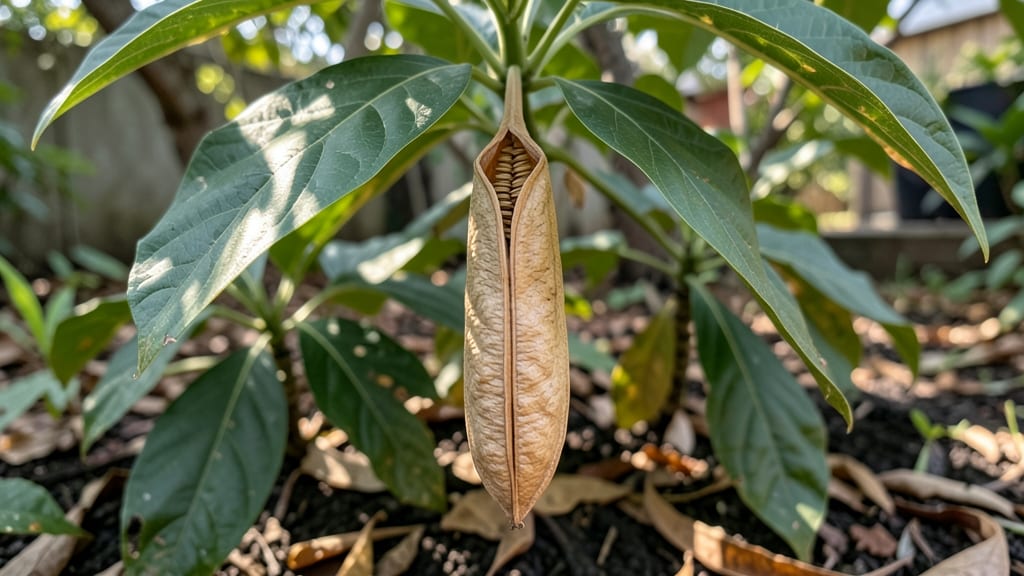
Those long, lantern-like angel trumpet seed pods split open on their own—no twisting required. 🌿 I’ve watched them crack open in late summer, revealing rows of tiny seeds that hold the promise of next year’s towering, fragrant blooms.
The trick is knowing exactly when to collect them before the birds or wind scatter them away. You’ll need just a few things: sharp pruning shears, a clean container, and a dry, dark place for storage.
The pods are ripe when they turn brown and start splitting naturally—usually 6–8 weeks after flowering. Once open, carefully scoop out the seeds, letting any debris fall away. Germination can be tricky because angel trumpet seeds have natural dormancy.
Soak them in warm water for 24 hours first, then plant them in a well-draining mix. Keep the soil consistently moist but not soggy, and expect sprouts in 4–8 weeks—though some seeds may take longer.
Handle with care: all parts of the plant are toxic, so wear gloves and keep kids/pets away. Store seeds in a paper envelope in the fridge until planting season. With patience, you’ll grow these striking, moonlit bloomers from scratch!
📚 In This Guide
- What you need
- Instructions
- Tips and common mistakes
- Wrapping up and next steps
What you need
- ● Angel trumpet seeds or seed pods: 5–10 pods (or 10–20 seeds per plant, depending on germination rate). Ensure they’re fresh or stored properly.
- ● Well-draining potting mix: 2–3 gallons (for seedlings) or a 5-gallon bag (for mature plants). Opt for a blend with perlite or sand for aeration.
- ● Containers or garden beds: Seedlings: 4–6 inch pots (4–6 plants per pot, thinned later).
- ● Mature plants: Large containers (15+ gallons) or in-ground beds with full sun (6+ hours/day).
- ● Slow-release fertilizer: 10–20–10 NPK ratio (1 tbsp per gallon of soil) to kickstart growth.
- ● Watering can or hose with a gentle spray nozzle: Brugmansia loves moisture but hates soggy roots.
- ● Garden trowel or transplanting spade: For digging and relocating seedlings.
- ● Pruning shears: To trim dead foliage or shape plants as they grow.
- ○ Mulch (optional): 2–3 inches of organic mulch (e.g., bark or straw) to retain moisture and suppress weeds.
- ● Glove (recommended): Brugmansia sap can irritate skin—wear gloves when handling!
- ○ Trellis or support structure (optional): For larger varieties that may need staking.
- ○ pH test kit (optional): Ideal soil pH: 6.0–7.0. Adjust with lime or sulfur if needed.
How to harvest and save angel trumpet seed pods naturally
Here’s the simple method I use to collect and store these striking seed pods without damaging the plant.
🌿 Step 1: Identify and Locate Mature Seed Pods
Angel trumpet (Brugmansia spp.) seed pods grow along the stems and turn from green to a papery brown when fully mature. Look for pods that feel slightly dry to the touch and have split open at the seams—this means they’re ready for collection. I always check the plant in late summer or early fall when the pods naturally release seeds.
Gently run your fingers along the pod’s length to confirm it opens easily. If it resists, wait a few days—overripe pods may crumble when handled. Avoid harvesting pods that are still green or firm, as they won’t contain viable seeds.
🪴 Step 2: Collect and Store Pods for Drying
Carefully twist the pod free from the stem and place it in a paper bag or open mesh bag. I avoid plastic bags because condensation can cause mold. Lay the pods on a flat surface in a dry, shaded area with good airflow for 3-5 days—this ensures seeds fully dry inside without rotting.
Check daily for any pods that have already split open. If seeds spill out, scoop them into a small envelope and label it with the date. The drying process is complete when the pods feel brittle and the seeds rattle inside when shaken.
⏰ Step 3: Extract and Store Seeds Properly
Once fully dry, gently crush the pods between your hands or use a small hammer to break them open. Shake the debris into a sieve to separate seeds from chaff. I store the seeds in a cool, dark place—like a sealed envelope in the fridge—for up to 1 year while maintaining viability.
Label each envelope with the variety name and harvest date. Angel trumpet seeds germinate best when fresh, so I plant them within 3-6 months of collection. If you’re not ready to sow, keep them in a dry environment to prevent mold.
🌱 Step 4: Plant Seeds for Germination
Fill small pots with moist seed-starting mix and plant 2-3 seeds per pot at a depth of ¼ inch. Mist the soil lightly and cover the pots with plastic wrap to retain humidity. Place them in a warm spot (70-75°F)—I use a seedling heat mat for faster germination.
Keep the soil consistently moist but not soggy. Angel trumpet seeds typically sprout in 2-4 weeks, though some varieties can take longer. Once seedlings emerge, remove the plastic wrap and provide bright, indirect light to prevent leggy growth.
Tips & tricks for perfect angel trumpet seed pod harvesting
A few simple tricks will help you get the most out of your angel trumpet seed pods without damaging the plant or compromising seed viability.
Timing is Everything: Late summer to early fall is your best window for harvesting—this aligns with the plant's natural seed release cycle. I've found that pods harvested in September yield the most viable seeds. If you miss this window, you can still collect pods, but germination rates may drop. Watch for pods that naturally split open at the seams, as these indicate maturity.
Handling Technique: When removing pods in Step 2, use a gentle twisting motion rather than pulling directly from the stem. This prevents damaging the plant's delicate stems. For stubborn pods, I recommend using a small knife to make a clean cut rather than forcing them off. Remember, you want to preserve the plant's health for future blooms and pods.
Drying Strategy: The 3-5 day drying period in Step 2 is crucial for seed viability. I place my pods on a screen or wire rack to maximize airflow from all sides. If you're in a humid climate, consider using a small fan on low setting to help with drying. The goal is to dry the pods thoroughly without causing them to crack open prematurely—this prevents mold and preserves seed quality.
Storage Wisdom: For long-term storage, I like to add a small packet of silica gel to my seed envelopes to absorb any moisture. This helps maintain viability for the full year. If you're planning to plant within 3-6 months, you can skip this step, but it's worth the extra effort for seeds you want to store longer. Always store seeds in a cool, dark place away from direct sunlight.
Pro Tips for Angel Trumpet Seed Pod
- A few simple tricks will help you get the most out of your angel trumpet seed pods without damaging the plant or compromising seed viability.
- Timing is Everything: Late summer to early fall is your best window for harvesting—this aligns with the plant's natural seed release cycle.
- Handling Technique: When removing pods in Step 2, use a gentle twisting motion rather than pulling directly from the stem.
Frequently asked questions
Got questions about angel trumpet seed pods? You’re not alone! Here are some common inquiries to help you navigate growing, maintaining, and troubleshooting these unique pods—naturally and effortlessly.
Why do angel trumpet seed pods open on their own without twisting?
The angel trumpet (Brugmansia) produces seed pods that rely on natural humidity changes to split open. As the pods dry out, their fibrous walls weaken, causing them to burst open—no manual intervention needed! This is a clever survival tactic to release seeds for new growth.
How long does it take for angel trumpet seed pods to mature and open?
Seed pods typically take 6–12 weeks to mature after flowering, depending on climate and care. In warm, humid conditions, they may open sooner. Patience is key! If pods linger closed, check for underwatering or low humidity—they need moisture to trigger the opening process.
Can I collect and replant angel trumpet seeds from these pods?
Yes! Once pods open, collect the gelatinous seeds and let them dry on paper towels for 2–3 days. Plant them 1/4-inch deep in well-draining soil, keeping it moist. Pro tip: Angel trumpets thrive in zones 9–11—start seeds indoors 8–10 weeks before the last frost if you’re in a cooler zone.
What should I do if my angel trumpet seed pods rot or stay closed?
Rotting pods often signal overwatering or poor drainage. Let the soil dry slightly between waterings and ensure pots have drainage holes. If pods stay closed, gently mist them to simulate humidity changes—this can kickstart the natural opening process. Avoid forcing them open; it can damage the seeds.
Are there non-toxic alternatives to angel trumpet for similar ornamental pods?
If you love the look but want safer options, try lupine or four o’clock flowers. Both produce striking seed pods that open naturally and are pet-friendly. For a tropical vibe, passionflower vines also offer unique pods—just research their care needs first!
Wrapping up and next steps
Exploring the angel trumpet seed pod reveals a fascinating world of natural mechanics—where beauty meets function without a single twist! Whether you’re a gardener, eco-conscious enthusiast, or simply curious about nature’s clever designs, these pods offer a unique lesson in patience and observation. 🌿✨
Ready to dive deeper? Start by planting your own angel trumpet seeds—watch as their pods unfold right before your eyes, a living testament to nature’s ingenuity. Or, share your newfound knowledge with fellow plant lovers and spark conversations about the wonders of the garden!
Your next step could be as simple as a click—order seeds, sketch the pods, or even document their journey. The garden awaits your creativity! 🌱