
Lawn
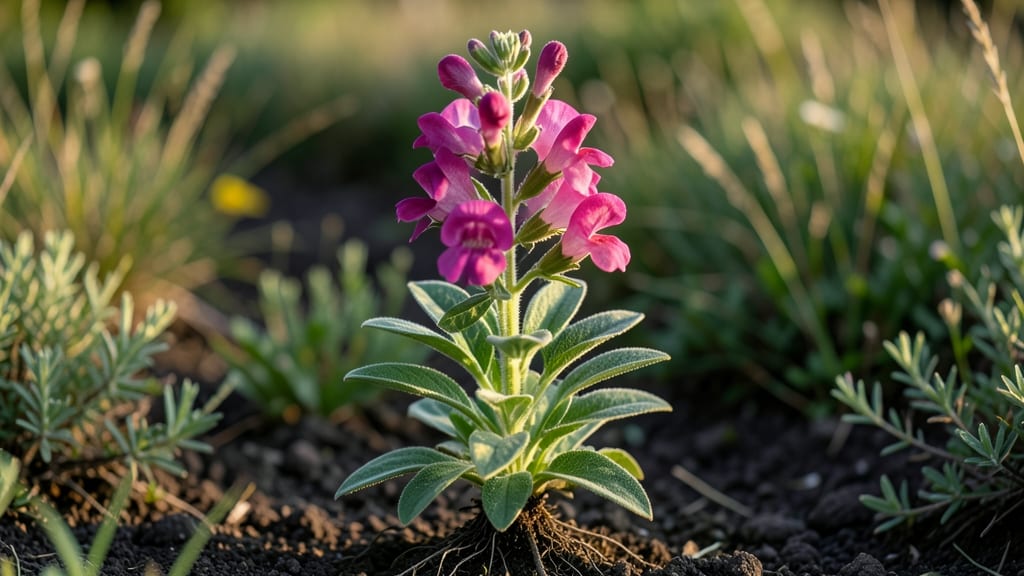
Harvesting snapdragon seed pods means you’ll grow next year’s blooms without buying seeds—and skip the frustrating twisting stems. 🌱 The key is knowing exactly when to collect those plump, brown pods before they burst open, then storing them properly for germination that’s reliable, not hit-or-miss.
Start by spotting the pods when they’ve turned a deep brown and feel dry to the touch—usually 6-8 weeks after flowering. Snip them carefully with clean scissors, then let them dry completely in a paper bag for 2-3 weeks before cracking them open.
The tiny seeds inside are the future of your garden, so handle them gently to avoid waste.
Once dry, store the seeds in an airtight container in your fridge for 3-4 months—this cold stratification mimics winter and tricks the seeds into thinking it’s time to grow.
Plant them in early spring, and you’ll see those familiar spires popping up in just 60 days, sturdy and twist-free.
Common mistakes? Overwatering the drying pods or planting seeds too soon—they need that cold treatment to break dormancy. But once you nail the timing, you’ll have snapdragons blooming like clockwork, year after year, without the guesswork.
📚 In This Guide
- What you need
- Instructions
- Tips and common mistakes
- Wrapping up and next steps
What you need
- ● Snapdragon seed pods: 10–20 pods (ensure they’re fresh and firm; dried pods work too!)
- ● Cold-stratification supplies: 1 quart-sized resealable plastic bag
- ● 1–2 paper towels (or dampened coffee filters)
- ● Water (room temperature)
- ● Planting containers: Seed-starting trays with cells (72–128 cells) or
- ● Biodegradable peat pots (3–4 inches deep)
- ● Potting mix: 1–2 bags of seed-starting mix (sterile, well-draining)
- ● Grow lights or sunny windowsill: 6+ hours of indirect light daily
- ● Misting bottle or spray nozzle (for gentle hydration)
- ● Handheld trowel (for transplanting seedlings)
- ● Plastic wrap or humidity dome (to retain moisture)
- ● Thermometer (to monitor soil temp: ideal range is 60–70°F)
- ● Fertilizer: Balanced liquid fertilizer (5-5-5 or 10-10-10, diluted to half-strength)
- ● Garden labels & markers (to track varieties and planting dates)
- ○ Heat mat (optional) for faster germination in cooler climates
How to grow snapdragons from seed pods in 60 days
Cold-stratifying snapdragon seed pods unlocks faster germination and stronger blooms—here's how to do it right.
🌱 Step 1: Collect and Prepare Seed Pods
Harvest mature snapdragon seed pods when they turn brown and begin splitting open naturally. Store them in a paper bag at room temperature for a week to fully dry. This prevents mold and ensures viability. Once dry, gently crush the pods to release the tiny seeds—don't worry if some remain attached, they'll still germinate.
I like to spread the seeds on a clean kitchen towel and let them air-dry for another 24 hours. This extra step prevents clumping during stratification. Snapdragon seeds are tiny, so I use a fine-mesh strainer to separate them from debris. Store the seeds in a labeled envelope until ready to stratify.
❄️ Step 2: Cold-Stratify for 4-6 Weeks
Place the seeds in a sealed plastic bag with a damp paper towel. Fold the towel to create a single layer, then add the seeds and seal the bag tightly. You want the towel damp but not soaking—squeeze it gently to check. Place the bag in your refrigerator's crisper drawer where temperatures hover around 35-40°F.
Cold stratification mimics winter conditions, breaking seed dormancy and encouraging synchronized germination. Check the bag weekly—if condensation forms, open it for 10 minutes to air out. After 4-6 weeks, the seeds will be ready to plant. This is the secret to avoiding the twisted stems that plague direct-sown snapdragons.
🪴 Step 3: Plant Stratified Seeds Indoors
Fill seed trays with sterile seed-starting mix and moisten until damp but not soggy. Press the mix down lightly to create a firm planting surface. Snapdragon seeds are tiny, so I use a fine-mesh strainer to distribute them evenly across the soil. Sprinkle them ¼ inch deep—any deeper and they won't have the energy to push through.
Cover the trays with a clear plastic dome or plastic wrap to retain moisture and warmth. Place them under a grow light set to 12-14 hours daily—a south-facing window won't provide enough intensity. Keep the soil consistently moist, but never waterlogged. You'll see tiny seedlings emerge in 7-14 days, depending on your refrigerator's temperature consistency.
☀️ Step 4: Harden Off and Transplant
Once seedlings develop their first true leaves (the second set after the initial cotyledons), remove the plastic dome and gradually introduce them to brighter light. After 2-3 weeks, begin hardening off by placing the trays outside in a sheltered spot for 1-2 hours daily. Increase exposure time over 7-10 days until they can handle full sun.
Transplant seedlings to individual pots when they reach 2-3 inches tall and have 4-6 true leaves. Use a well-draining potting mix and plant them ½ inch deeper than they were in the seed tray. This encourages stronger stem development and prevents the leggy growth that leads to twisting.
⏰ Step 5: Maintain for Blooms in 60 Days
After transplanting, keep the soil consistently moist but not waterlogged. Snapdragons thrive in full sun to partial shade, so position them where they'll get at least 6 hours of sunlight daily. Fertilize lightly with a balanced liquid fertilizer every 2-3 weeks once the plants are established.
Pinch back the tips of young plants to encourage bushier growth. This is especially important for snapdragons, as it prevents the stems from becoming too tall and top-heavy. With proper care, you'll see your first blooms in about 60 days from the time you planted the stratified seeds. Deadhead spent flowers to encourage continuous blooming throughout the season.
Tips & tricks for perfect snap dragon blooms
These pro-level strategies will help you skip the common pitfalls that turn snapdragons into leggy, twisted disappointments.
Seed Pod Selection: Harvest pods when they're fully brown but still slightly crisp—this ensures maximum seed viability. The moment they start splitting open on their own is your cue. I've learned the hard way that premature pods yield fewer seeds and lower germination rates. Store them in a paper bag for that one-week drying period, then crush them gently over a clean surface to avoid losing any of those tiny seeds through the cracks.
Stratification Temperature: That 35-40°F range in your refrigerator's crisper drawer is non-negotiable for breaking dormancy. If your fridge runs cooler, consider using a seed stratification fridge or even a DIY setup with a cooler and ice packs. The goal is consistent cold—fluctuations can confuse the seeds. I place a small thermometer in the bag to monitor temps, especially if my fridge's accuracy is questionable.
Planting Depth: The ¼-inch depth mentioned isn't arbitrary—it's the sweet spot where snapdragon seeds have enough energy to push through but aren't buried so deep they struggle. Use a toothpick to create tiny holes if your soil feels too compact. For extra precision, I sprinkle seeds on a separate sheet of paper first, then transfer them to the soil to ensure even distribution without clumping.
Lighting Hack: While 12-14 hours under grow lights is ideal, I've had success with a combination of grow lights and natural light placement. Position your seed trays on a windowsill that gets southern exposure during the day, then supplement with 4-6 hours of artificial light in the evening. This mimics natural daylight extension and prevents the leggy growth that comes from insufficient light.
Pro Tips for Snap Dragon Seed Pod
- These pro-level strategies will help you skip the common pitfalls that turn snapdragons into leggy, twisted disappointments.
- Seed Pod Selection: Harvest pods when they're fully brown but still slightly crisp—this ensures maximum seed viability.
- Stratification Temperature: That 35-40°F range in your refrigerator's crisper drawer is non-negotiable for breaking dormancy.
Frequently asked questions
Got questions about growing snapdragons from seed pods? You’re not alone! Here are answers to the most common queries—so you can skip the guesswork and dive right into your 60-day bloom journey.
Why do snap dragon seed pods need cold stratification?
Cold stratification mimics winter’s natural chilling process, breaking seed dormancy. Snapdragons thrive when exposed to 6–8 weeks of cold (40–50°F) before germination. Skipping this step can lead to slow, uneven sprouting—or no sprouts at all! For speed, try the paper towel method (see tips below).
How long does it take for snap dragon seeds to germinate?
With cold stratification, expect germination in 10–21 days after planting. Warmth (70–75°F) speeds it up, while cooler temps may delay sprouts. Pro tip: Keep soil moist but not soggy—a spray bottle works best to avoid disturbing seeds. Patience pays off with those iconic snapper faces!
Can I reuse snap dragon seed pods from last year’s plants?
Yes! Snapdragons self-seed easily. Collect mature pods (they’ll twist open when dry), store them in a cool, dry place, and sow them the next spring. For guaranteed freshness, buy new seeds—old pods may have lower viability. Bonus: Let a few pods reseed in your garden for surprise blooms!
My snap dragon seedlings look leggy—what went wrong?
Leggy seedlings usually mean too little light or overcrowding. Move trays to a sunny windowsill or use a grow light 12–14 hours/day. Thin seedlings to 1 inch apart once they have 2 true leaves. Quick fix: Bury stems deeper when transplanting—they’ll root faster!
Are there alternatives to cold stratification for faster blooms?
If you’re eager to skip the fridge, try soaking seeds in warm water for 24 hours before planting. Some gardeners also use peat moss or damp paper towels to mimic moisture-rich soil. However, cold stratification still yields the most reliable results—especially for heirloom varieties. Hot tip: Start seeds indoors in late winter for a head start!
How do I protect snap dragon seed pods from pests?
Slugs, aphids, and spider mites love tender snapdragons! Use row covers or neem oil spray for prevention. For slugs, set out beer traps (shallow dishes of beer) near seedlings. Prevention wins: Space plants 12–18 inches apart to improve airflow and deter pests.
Wrapping up and next steps
Growing snapdragon seed pods with cold stratification is a rewarding journey that yields vibrant blooms in just 60 days—no fuss, no twisting! 🌱 By following the right steps, from chilling your seeds to nurturing young sprouts, you’re not just cultivating flowers but creating a thriving garden oasis.
The key? Patience, consistency, and a little seasonal magic.
Ready to turn your garden into a burst of color? Start small—plant a few pods this week and watch your efforts bloom into beauty. Happy gardening! 🌸