
Lawn
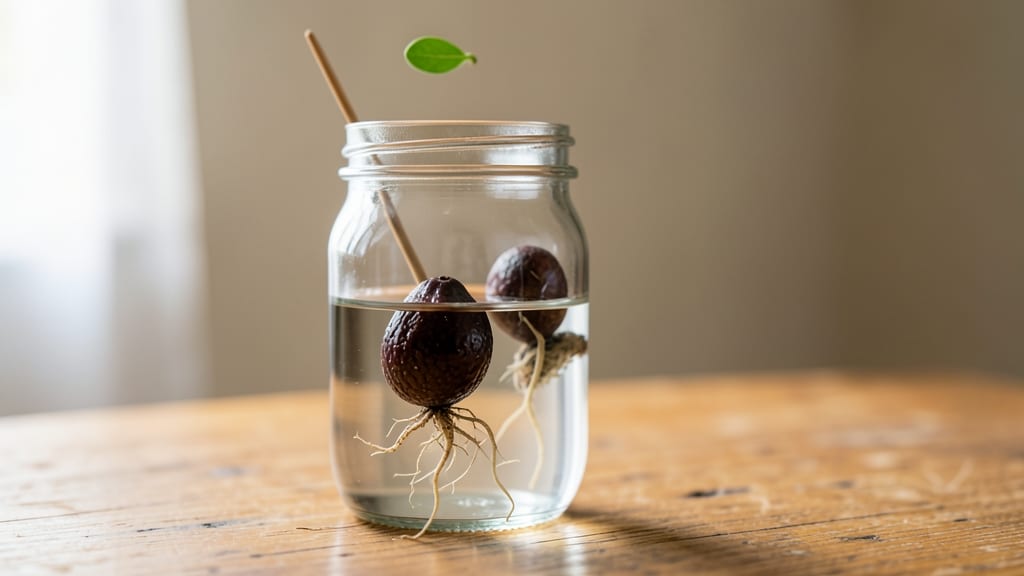
Growing an avocado seed in water is the easiest way to start a houseplant that might one day produce fruit. 🌱 I’ve sprouted dozens this way, and the key to success isn’t just patience—it’s understanding how cold stratification (a chilly pause) can double your chances of strong roots before transplanting.
The process starts with a simple glass of water and a toothpick, but the real magic happens when you move the rooted seed into soil. Avocados love warmth and humidity, so a sunny windowsill or grow light keeps them happy.
Most seeds show roots in 2-6 weeks, but some stubborn ones take months—don’t give up! Once roots hit 3-4 inches, it’s time to plant in well-draining soil. Your seedling will grow into a lush, ornamental plant, and with proper care, it might even flower.
The first year focuses on leaves, not fruit—think of it as training for future harvests. This method works indoors or out, though tropical climates give it the best shot at fruiting. Here’s how to avoid mold, rot, and other rookie mistakes along the way.
📚 In This Guide
- What you need
- Instructions
- Tips and common mistakes
- Wrapping up and next steps
What you need
- ● 1 ripe avocado (organic or pesticide-free if possible for healthier growth)
- ● 1 large avocado seed (cleaned of all fruit residue)
- ● 1 clean glass or jar (16–24 oz, wide-mouth preferred for easy access)
- ● Toothpicks (3–4) (or small skewers) for balancing the seed
- ● Room-temperature water (filtered or distilled if possible)
- ● Clear plastic wrap or lid (to cover the jar and maintain humidity)
- ○ Paper towels or coffee filter (optional, for drainage if needed)
- ● Knife or peeler (for carefully removing the seed from the fruit)
- ● Measuring cup or ruler (to monitor water levels)
- ● Bright, indirect sunlight spot (e.g., a windowsill or grow light)
- ● Patience! 🌱 (Root growth can take 2–8 weeks, depending on conditions)
- ● Hydroponic nutrients or diluted fertilizer (once roots are 2–3 inches long)
- ● Grow light (if natural light is insufficient)
- ● Small pot with well-draining soil (for transplanting after roots form)
- ● Humidity dome or plastic bag (to create a greenhouse effect)
Step-by-Step instructions for growing avocado seeds in water
Here's how to turn your avocado pit into a thriving plant with roots strong enough to transplant.
🌱 Step 1: Prepare the Seed and Soak It
Start by washing the avocado pit thoroughly under running water to remove any remaining fruit residue. This prevents mold and bacteria from taking hold during germination. Use a sharp knife to carefully slice off the top and bottom of the pit—about ¼ inch from each end—revealing the seed inside.
Place the seed in a small glass or jar and fill it with enough water to cover about ⅓ of the pit. The water level should be high enough to keep the seed moist but not submerged. Change the water every 2-3 days to prevent stagnation. You'll see the seed begin to sprout within 2-6 weeks, depending on temperature and humidity.
💧 Step 2: Encourage Root Growth in Water
Once the seed starts to sprout, keep it in the same glass or jar with fresh water. Position the container in a warm, bright spot—like a sunny windowsill—but avoid direct sunlight, which can overheat the water and damage the delicate roots. The ideal temperature for root growth is between 65-75°F.
You'll notice roots emerging from the bottom of the pit within 2-4 weeks. These roots will grow long and sturdy, eventually reaching 3-6 inches in length. Keep the water level consistent, adding more as needed to maintain coverage. Avoid overwatering, as the roots need air circulation to grow properly.
☀️ Step 3: Transition to Soil When Roots Are Strong
When the roots reach about 3-4 inches in length, it's time to prepare for transplanting. Fill a small pot—at least 6 inches deep—with well-draining potting mix. Choose a pot with drainage holes to prevent waterlogging, which can rot the roots. Moisten the soil lightly before planting to help the roots settle in more easily.
Gently place the avocado seed into the soil, burying it about ½ inch deep. The roots should extend downward into the soil, while the top of the seed remains exposed. Water the soil lightly to help it compact around the roots. Keep the pot in a warm, bright location but avoid direct sunlight for the first few days to reduce transplant shock.
🌿 Step 4: Care for Your Young Avocado Plant
After transplanting, water the avocado plant when the top 1-2 inches of soil feel dry to the touch. Avocado plants prefer slightly moist soil but can tolerate brief dry periods. Use a spray bottle to mist the leaves occasionally, as humidity helps the plant establish itself. Fertilize lightly with a balanced, water-soluble fertilizer every 2-3 months to encourage healthy growth.
You'll see new leaves emerging within 4-6 weeks, signaling that your avocado plant is thriving. Continue to provide bright, indirect light and maintain consistent moisture. With patience, your avocado seedling can grow into a small tree, though it may take years to produce fruit if grown indoors.
Tips & tricks for growing avocado seeds in water
Here's what I learned after watching multiple avocado seeds fail to sprout—these tricks make all the difference.
Cold Stratification Boost: For faster results, try a quick cold stratification trick before soaking. After slicing the pit in Step 1, place it in a sealed plastic bag with a damp paper towel, then refrigerate for 24-48 hours. This mimics winter conditions and can help break dormancy, especially if your kitchen stays warm. The seed will be ready to soak immediately after.
Root Growth Hack: In Step 2, when roots first appear (around 2-4 weeks), prop the glass at a slight angle—about 15-20 degrees—to encourage downward growth. This helps roots grow longer and stronger before transplanting. You can use a small book or folded towel under one side to create the angle without tipping the container.
Transplant Timing Secret: Don't wait until roots reach the full 3-6 inches before transplanting in Step 3. Once they hit 3-4 inches, your seedling is ready! Longer roots in water can become weak and brittle. Transplanting earlier gives your plant a stronger start in soil. Just be gentle—those delicate roots break easily.
Water Quality Tip: Use filtered or rainwater if possible, especially if your tap water has high chlorine levels. Chlorine can inhibit root growth over time. If that's not an option, let tap water sit uncovered for 24 hours before using it to allow chlorine to evaporate. Fresh, clean water is key to preventing stagnation and bacterial growth.
Pro Tips for Avocado Seed In Water
- Here's what I learned after watching multiple avocado seeds fail to sprout—these tricks make all the difference.
- Cold Stratification Boost: For faster results, try a quick cold stratification trick before soaking.
- Root Growth Hack: In Step 2, when roots first appear (around 2-4 weeks), prop the glass at a slight angle—about 15-20 degrees—to encourage downward growth.
Frequently asked questions
Got questions about growing an avocado seed in water? You’re not alone—this simple experiment sparks curiosity! Here are answers to the most common queries to help you succeed.
How long does it take for roots to appear in water?
Roots typically sprout within 2–6 weeks, depending on temperature (ideal: 70–85°F) and seed freshness. Keep the seed half-submerged in room-temperature water, changing it every 2–3 days. Patience is key—some seeds take longer, especially in cooler conditions.
What if my avocado seed isn’t sprouting after 6 weeks?
Don’t panic! Try these fixes:
- Check water quality: Use room-temperature, chlorine-free water (let tap water sit 24 hours or use filtered water).
- Warmth boost: Place the jar near a sunny window or use a seedling heat mat (70–85°F).
- Fresh seed test: If the seed is old or dried out, it may not sprout. Try a new one!
Can I plant the seed in soil before roots grow?
Yes! If you’re impatient, you can plant the seed in moist soil (with the pointed end down) after 1–2 weeks of soaking. Keep soil consistently damp (not soggy) and place in bright, indirect light. Roots may develop faster underground, but monitor for rot if the soil stays too wet.
What’s the best water to use for avocado seed germination?
Use room-temperature, chlorine-free water to avoid shocking the seed. Options:
- Tap water: Let it sit 24 hours to evaporate chlorine.
- Filtered or distilled water: Ideal for sensitive seeds.
- Avoid: Cold water (slows growth) or saltwater (harms the seed).
Can I reuse the water after growing roots?
No—once roots appear, stop using the water method. The seed’s nutrients are depleted, and the water can harbor bacteria. Plant the rooted seed in soil immediately (keep the root ball moist) or it may rot. Use a well-draining potting mix and a pot with drainage holes.
Wrapping up and next steps
Growing an avocado tree from a seed in water is a rewarding journey that blends patience with nature’s magic! 🌱 With the right tools—like a sturdy seed, clean water, and a sunny spot—you’ve got everything you need to nurture roots and watch life sprout.
Whether you’re a green thumb or a curious beginner, this method proves that even small steps can yield big, leafy results.
Now that you’re armed with the cold stratification blueprint, why not take the next step? Plant your rooted seed in soil, give it love, and soon you’ll be harvesting your own avocados! 🥑✨ Your future tree is waiting—get growing!