
Lawn
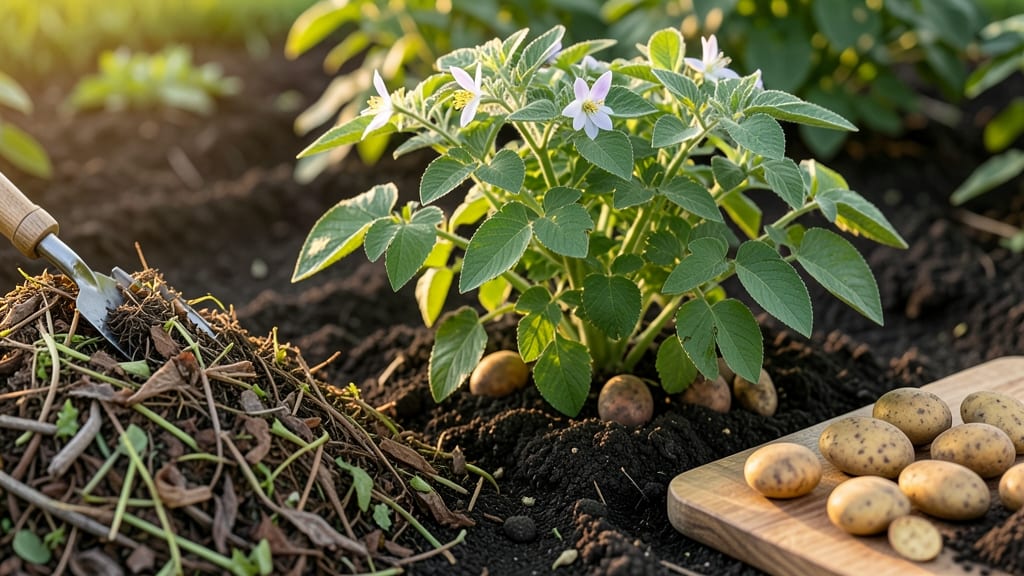
Your seed potatoes deserve the richest soil they can get—compost transforms them from decent harvests to bucketfuls of gold. 🌱 I’ve grown thousands of potatoes, and the difference between a decent yield and a jaw-dropping one comes down to how you prep the soil.
Too little compost means small, scraggly tubers; too much means wasted nutrients. The sweet spot? A 50-50 mix of compost and native soil, with a dash of sand for drainage.
The magic happens when you balance nitrogen, phosphorus, and potassium—compost does this naturally, but only if it’s well-aged (no fresh manure!). I test mine by squeezing a handful: if it crumbles easily, it’s ready.
Too wet? Mix in dry leaves or straw. Too dry? Add a sprinkle of water. The goal is dark, crumbly, and earthy-smelling—like a forest floor after a rain.
When you plant, mound the compost-soil mix into ridges, place your seed potatoes 4 inches deep, and cover them. Within 6-8 weeks, you’ll see shoots breaking through—thick, vibrant green, and hungry for more.
The real reward? Tubers that fill your bucket, not just your hand, with firm, flavorful potatoes that store well through winter.
This method works for containers, raised beds, or in-ground plots, and even in cooler climates where potatoes thrive with the compost’s warmth. The key? Start composting now—your next harvest depends on it.
📚 In This Guide
- What you need
- Instructions
- Tips and common mistakes
- Wrapping up and next steps
What you need
- ● Seed potatoes: Certified disease-free, organic seed potatoes (1–3 lbs, depending on yield goals). Choose varieties suited to your climate (e.g., Yukon Gold, Red Pontiac).
- ● Compost: Well-aged, nutrient-rich compost (5–10 gallons). Aim for a balanced mix with a 2:1 ratio of browns (leaves, straw) to greens (vegetable scraps, grass clippings). Avoid fresh manure or compost with weeds/seeds.
- ● Growing containers or garden bed: Containers: 5–10 gallon pots with drainage holes (1–2 per seed potato). Use fabric grow bags or plastic buckets.
- ● Garden bed: Loose, well-draining soil amended with 2–3 inches of compost per square foot.
- ● Garden tools: Trowel or hand fork for planting.
- ● Garden gloves (to protect hands from soil and potato eyes).
- ● Watering can or hose: With a gentle spray nozzle for even moisture.
- ● Slow-release fertilizer: 5–10–10 or 10–10–10 blend (1 tbsp per plant) to supplement compost nutrients.
- ● Mulch: Straw or grass clippings (2–3 inches) to retain moisture and regulate soil temperature.
- ● Potato clipper or knife: For harvesting tubers cleanly.
- ● Soil pH test kit: To ensure compost-soil mix is slightly acidic (pH 5.0–6.5). Adjust with lime or sulfur if needed.
- ● Compost thermometer: To monitor heat (ideal: 130–160°F for breaking down materials).
Step-by-step guide to using compost for seed potatoes
Here's how to maximize your potato harvest by giving those seed potatoes the nutrient boost they crave.
🌱 Step 1: Prepare Your Compost for Optimal Nutrition
Start with well-aged compost that's dark, crumbly, and free of large chunks or weeds. I like to sift mine through a quarter-inch mesh to remove any debris—this ensures even distribution without clogging drainage. The ideal compost should have a rich, earthy smell and hold moisture like a damp sponge. If yours smells sour or looks slimy, compost it longer; fresh manure or unbalanced mixes can burn tender potato sprouts.
Mix in a handful of bone meal or a balanced organic fertilizer (like 5-5-5) for every 5 gallons of compost. This adds phosphorus for root development and potassium for tuber formation. I use about a tablespoon per plant when planting time comes—just sprinkle it into the planting hole and mix it with the compost before adding the seed potato. This ensures the nutrients are right where the roots will grow.
🪴 Step 2: Create the Perfect Planting Medium
Combine your enriched compost with equal parts of garden soil or a light potting mix to improve aeration. I use a 50/50 blend because pure compost can compact over time, slowing drainage and encouraging rot. For every 4 plants, mix together 2 gallons of compost with 2 gallons of soil. This ratio gives your potatoes the nutrients they need without suffocating the roots.
Add a thin layer of coarse sand or perlite to the mix if your soil tends to stay soggy. This prevents waterlogging, which is especially critical for seed potatoes—they rot faster than they grow if drainage is poor. Fill your planting containers or trenches to within 2 inches of the top, leaving room for the potatoes themselves. Tap the mix gently to settle it, then water lightly until the surface feels uniformly moist but not wet.
✂️ Step 3: Plant Seed Potatoes in Nutrient-Rich Soil
Place each seed potato in its prepared hole with the sprouted end facing up. I like to bury them about 4 inches deep—this depth protects them from light exposure, which can turn them green and bitter. Space them 12 inches apart in rows that are 2 feet apart to allow for both root spread and future hilling. If you're planting in containers, use one potato per 5-gallon bucket or larger.
Cover the potatoes with your compost-soil mix, pressing gently to eliminate air pockets. Water immediately after planting to help the soil settle around the potatoes and encourage root contact with the nutrient-rich medium. Keep the soil consistently moist but not soggy—potatoes need steady hydration, but their eyes will rot if submerged in water. A good rule of thumb is to water when the top inch of soil feels dry to the touch.
☀️ Step 4: Maintain Moisture and Nutrients Through Growth
As the potato plants grow, add more compost around the base—this is called "hilling." I do this every 2-3 weeks, piling the mix up to the plant's leaves but not covering them. This encourages more tuber formation and prevents greening. Use your enriched compost mix for hilling, as it provides a steady nutrient supply to the developing roots below ground.
Watch for signs of nutrient deficiency: yellowing leaves often mean nitrogen is needed, while weak stems or slow growth may indicate a potassium shortage. If you see these, top-dress with a light layer of compost or a balanced fertilizer. Mulch the surface with straw or grass clippings to retain moisture and regulate soil temperature. Potatoes thrive in 60-70°F soil, so mulch helps maintain this range even when daytime temperatures climb.
🌿 Step 5: Harvest at Peak Maturity with Nutrient Boost
When the potato plants flower and the leaves begin to yellow, it's time to harvest. Gently dig around the base of the plant with a fork or your hands, being careful not to pierce the tubers. I wait until the foliage has died back completely for varieties like Russets, but harvest "new" potatoes (like Yukon Golds) when the plant is still green but the tubers are golf-ball sized.
Cure your harvest by placing the potatoes in a dark, dry spot at 55-60°F for 1-2 weeks. This hardens their skins and improves storage life. If you notice any tubers with soft spots or signs of rot, compost them immediately—this prevents the spread of disease to healthy potatoes. The compost you started with will now have even more value as you reuse it for next year's crop, creating a closed-loop system that keeps your garden thriving.
Tips & tricks for perfect compost-boosted seed potatoes
Here's what nobody tells you about maximizing your harvest with compost—these are the details that make all the difference.
Compost Quality Control: The texture of your compost is everything. If it feels like wet sandpaper or has large clumps, it won't provide consistent moisture or nutrients. I run mine through a quarter-inch mesh screen before using—this removes debris that could suffocate roots and ensures even distribution. For extra insurance, sprinkle a thin layer of coarse sand or perlite (about 1/4 cup per 5 gallons of mix) to improve drainage without compromising nutrient density.
Soil Temperature Matters: Potatoes thrive in 60-70°F soil, but most gardeners focus only on air temperature. Use a soil thermometer to check before planting—if it's cooler than 60°F, wait or use black plastic mulch to warm the soil faster. Cold soil slows root development and can lead to rot, especially with seed potatoes that are more vulnerable than mature plants. I've seen harvests double just by ensuring optimal soil temperature during the critical first two weeks of growth.
Hilling Technique: When you hill every 2-3 weeks as the plants grow, don't just pile compost randomly. Create a gentle slope rather than a steep mound—this prevents water from pooling against the stems and encourages tuber formation along the entire length of the plant. Use your fingers to loosen the soil around the base before adding fresh compost, creating channels for roots to grow into the new nutrient-rich layer.
Harvest Timing Secret: The 1-2 week curing period at 55-60°F is where many gardeners cut corners, but it's crucial for storage life. If you're short on time, you can reduce this to 5-7 days by storing potatoes in a well-ventilated cardboard box in a cool, dark place. The curing process thickens the skins and helps prevent bruising during storage—this is especially important if you plan to store potatoes for more than a few weeks.
Pro Tips for Compost For Seed Potatoes
- Here's what nobody tells you about maximizing your harvest with compost—these are the details that make all the diffe...
- Compost Quality Control: The texture of your compost is everything. If it feels like wet sandpaper or has large clump...
- Soil Temperature Matters: Potatoes thrive in 60-70°F soil, but most gardeners focus only on air temperature. Use a so...
Frequently asked questions
Got questions about using compost for seed potatoes? You’re not alone! Here are some of the most common queries—and their answers—to help you grow like a pro.
Can I use regular compost or do I need special compost for seed potatoes?
You can use high-quality, well-aged compost (not fresh manure or green waste) for seed potatoes. Look for compost rich in organic matter with a balanced nutrient profile—avoid anything with weeds, seeds, or chemical residues. Homemade compost from kitchen scraps and yard waste works great if properly decomposed (at least 6–12 months).
How long before planting should I add compost to the soil?
Add compost 4–6 weeks before planting to give it time to integrate into the soil. Work it into the top 6–8 inches of soil, especially where you’ll plant your seed potatoes. This ensures nutrients are available when sprouts emerge. For container growing, mix compost into the potting soil at least 2 weeks ahead.
What if my compost smells bad or has mold—can I still use it?
Nope! Bad-smelling or moldy compost can harm your potatoes by introducing pathogens or attracting pests. If your compost is sour, slimy, or has visible mold, discard it and start fresh. For a quick fix, mix small amounts of dry, mature compost with your soil to dilute any issues.
Is compost the only way to improve soil for seed potatoes?
Not at all! While compost is ideal, you can also boost soil health with:
- Well-rotted manure (cow, horse, or chicken—avoid fresh!
- Peat moss or coconut coir for drainage
- Composted green waste (like grass clippings + leaves)
- Organic matter like straw or shredded leaves
Will compost attract pests like slugs or wireworms to my potatoes?
Compost itself doesn’t cause pests, but moist, nutrient-rich soil can attract them. To deter slugs, add dried diatomaceous earth or copper tape around plants. For wireworms, rotate crops and avoid over-fertilizing with nitrogen. Well-aerated, crumbly compost (not soggy) reduces risks while keeping your soil happy!
Wrapping up and next steps
Growing seed potatoes in nutrient-rich compost is a game-changer for any gardener! 🌱 By blending organic materials like kitchen scraps, yard waste, and manure, you create the perfect foundation for strong, healthy plants.
The key takeaway? Compost enhances soil fertility, boosts water retention, and reduces waste—all while giving you a head start on a thriving harvest.
Ready to take the next step? Start small with a batch of compost, experiment with your mix, and watch your seed potatoes flourish. Happy gardening—your future harvest will thank you! 🌟