
Lawn
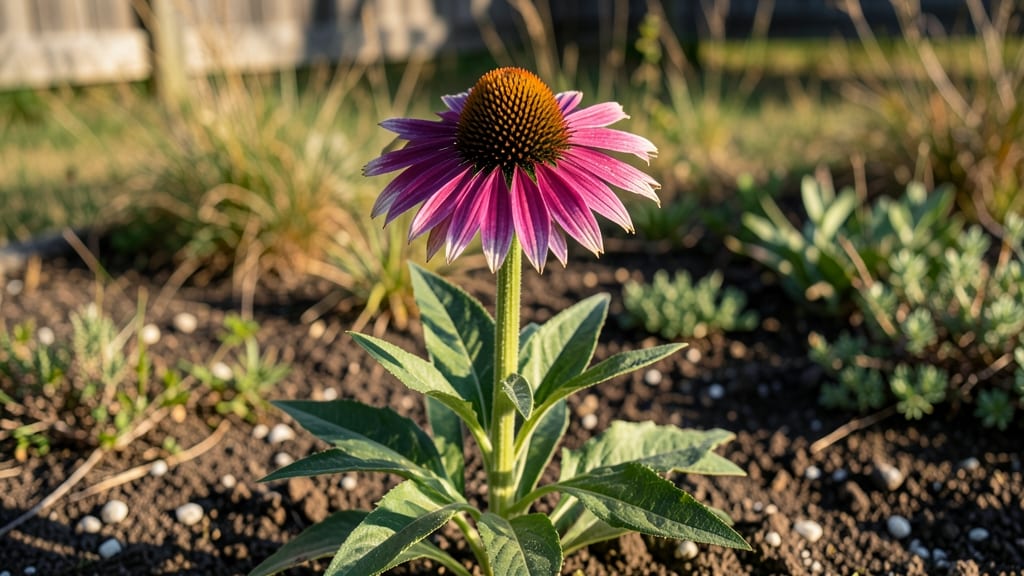
Coneflower seed heads hold the secret to next year's garden and winter beauty. 🌱 The dry-and-pop method transforms these woody stems into a treasure trove of seeds, dried arrangements, and even bird feeders—all without extra effort once you know the timing and technique.
Harvest begins in late fall after the seed heads turn a papery brown and the fluffy centers pop open easily. Simply twist the dried stems to release seeds into a paper bag, then let them dry completely indoors for 1-2 weeks.
This preserves viability for planting while creating stunning dried florals that last through winter.
You'll end up with seeds for propagating new coneflowers, natural bird feeders (just hang the heads!), and unique dried arrangements that maintain their shape for months. The process takes less than 10 minutes once the heads are ready, and you'll never buy coneflower seeds again.
For gardeners who want to balance propagation with pollinator support, leave some seed heads on the plants until spring—they provide winter food for birds and late-season nectar for insects. The key is working with nature's timing, not against it.
📚 In This Guide
- What you need
- Instructions
- Tips and common mistakes
- Wrapping up and next steps
What you need
- ● Mature coneflower seed heads – Harvest from healthy, fully dried flowers (usually late summer to fall). Aim for at least 10-15 heads for a good yield.
- ● Paper grocery bags or brown paper sacks – 2-3 medium-sized bags (one per batch of seed heads). Avoid plastic—they need to breathe!
- ● Scissors or pruners – Sharp, clean tools to snip seed heads cleanly from stems.
- ○ Newspaper or cardboard – A flat surface to lay out seed heads for drying (optional but helpful).
- ○ Rubber gloves (optional) – Keeps hands clean if seed heads are dusty or sticky.
- ● Seed-saving envelope or airtight container – For storing seeds long-term (label with the year and variety!).
- ● Fine mesh screen or cheesecloth – To sift out debris if seeds need extra cleaning.
- ● Spray bottle with water – For lightly misting stubborn seed heads if they’re still slightly damp.
- ● Notebook & pen – To jot down notes on seed varieties or germination tips!
Step-by-Step instructions for harvesting coneflower seeds
Here's how I collect seeds from coneflower blooms without losing a single one to squirrels or wind.
🌿 Step 1: Wait for Seed Heads to Fully Mature
Leave the spent blooms on the plant until they turn completely brown and papery—this usually takes 8-10 weeks after flowering. You'll know they're ready when the center fluff dries out and the seed head feels light in your hand. I check daily in late summer because coneflowers dry unevenly across stems.
Don't cut them too early—the seeds won't be viable, and you'll waste your time. If you see birds pecking at the heads, they're after insects, not seeds, so leave them be. The perfect seed head should look like a dried-up dandelion puff.
✂️ Step 2: Harvest and Bundle for Drying
Snip the dried seed heads with clean pruners or scissors, leaving about 1 inch of stem. I like to harvest on a dry morning when humidity is low—this prevents mold. Place them in a single layer on a clean, dry towel or newspaper, stems pointing upward.
Here's the thing—don't bundle them yet. Let them air-dry for 3-5 days in a warm, dry spot (like a garage or covered porch). This prevents moisture from trapping inside the bundles and causing rot. You'll see the seed heads lighten in color as they dry completely.
🪴 Step 3: Bundle and Store for Seed Release
Once fully dry, tie 3-5 seed heads together with twine or rubber bands at the stems. Hang them upside down in a paper bag or mesh bag—this catches the seeds as they pop out naturally. I use an old onion sack because it's breathable and lets air circulate.
Shake the bag gently every 2-3 days to encourage seeds to release. You'll hear them rattling inside—that's your signal to check for fresh seeds. Store the bag in a cool, dry place (like a basement or pantry) until all seeds have fallen out, which usually takes 2-4 weeks total.
💧 Step 4: Clean and Store Viable Seeds
Once all seeds have fallen, remove the empty heads and sift through the seeds with your fingers or a fine mesh strainer. Discard any debris or chaff—you want only the plump, dark seeds. I store them in envelope-sized paper bags labeled with the variety and harvest year.
Keep seeds in a dark, cool place (like a refrigerator crisper drawer) where they'll stay viable for 2-3 years. If you see any signs of moisture or mold, transfer them to a new bag immediately. That's how you preserve them for next year's garden.
Tips & tricks for perfect coneflower seed collection
These little tricks will turn your coneflower seed harvesting from a finicky task into an effortless routine—no more losing seeds to squirrels or impatient gardeners.
Timing is Everything: The 8-10 week wait in Step 1 might feel long, but rushing it ruins everything. I learned this the hard way after planting seeds that never sprouted—wait until those seed heads feel like they're about to float away. Tap a mature head against your palm: if it makes a hollow sound, it's ready. This dry, papery stage is when seeds are at their most viable and easiest to collect.
Harvesting Hack: Step 2's 3-5 day air-drying period is your secret weapon against mold. I've seen seed heads rot overnight if I bundle them too soon—especially in humid weather. Pro tip: Place a small fan nearby on low setting to speed up drying while preventing moisture buildup. This cuts your drying time by nearly half without risking rot.
Bundle Size Matters: The 3-5 seed heads per bundle in Step 3 isn't arbitrary—it's the perfect balance. Fewer than 3 and you waste time shaking, more than 5 and seeds get trapped inside. I use rubber bands because they're reusable and don't leave residue, but twine works too if you're okay with single-use. The key is securing them tightly enough that they won't shift during the shaking process.
Storage Wisdom: That refrigerator crisper drawer in Step 4 isn't just for leftovers. The cool, dark environment mimics natural seed storage conditions, which is why these seeds stay viable for years. I've had seeds from 5-year-old bags still germinate perfectly—just don't store them near onions or potatoes, which release gases that can inhibit germination.
Pro Tips for Coneflower Seed Heads
- These little tricks will turn your coneflower seed harvesting from a finicky task into an effortless routine—no more losing seeds to squirrels or impatient gardeners.
- Timing is Everything: The 8-10 week wait in Step 1 might feel long, but rushing it ruins everything.
- Harvesting Hack: Step 2's 3-5 day air-drying period is your secret weapon against mold.
Frequently asked questions
Got questions about harvesting coneflower seed heads? You’re not alone—these striking blooms spark curiosity (and a few common challenges!). Here’s what you need to know before diving in:
When are coneflower seed heads ready for collection?
Harvest seed heads after they’ve fully dried on the plant—usually late summer to early fall (August–October). Look for brown, papery petals and plump, dry seed cones (like a tiny pinecone). Avoid collecting too early; seeds won’t store well if they’re still damp.
How do I know if the seeds are mature enough to pop out?
Mature seeds should easily release when you gently rub or tap the dried cone over a bowl. If seeds cling stubbornly or the cone feels green inside, wait another 1–2 weeks. Pro tip: Squeeze a seed between your fingers—if it crushes like sand, it’s ready!
Can I collect seeds from coneflowers that haven’t bloomed yet?
Nope! Only spent blooms produce viable seeds. Focus on second-year plants (or older) for the best yield. First-year coneflowers put energy into roots, not seeds. Save your patience for next season if your plants are young!
Will birds or squirrels steal my seeds before I can collect them?
Seed heads are a buffet for wildlife. To outsmart them:
- Harvest early in the morning or late afternoon when critters are less active.
- Use a fine mesh bag or paper bag to collect seeds indoors.
- Leave a few seed heads for birds—they’ll thank you (and you’ll still get plenty)!
What if my coneflower seeds won’t pop out—what’s the fix?
If seeds resist, try these tricks:
- Bake them: Place dry seed heads in a 200°F oven for 10–15 minutes to loosen seeds.
- Freeze them: Pop cones in the freezer for 24 hours to shock moisture out.
- Soak in water: Submerge cones in warm water for 1 hour to soften stubborn glues.
Wrapping up and next steps
Coneflower seed heads are nature’s little treasures, and with the dry-and-pop method, collecting them is as easy as a breeze! 🌸 Whether you’re saving seeds for next year’s garden or crafting unique decorations, these resilient blooms make the process simple and rewarding.
Now that you’re equipped with the right tools and techniques, it’s time to harvest, dry, and share the beauty of coneflowers with the world.
Ready to dive in? Grab your pruners, find a sunny spot, and start your seed-saving adventure today! Your future garden—and wildlife friends—will thank you.