
Propagation
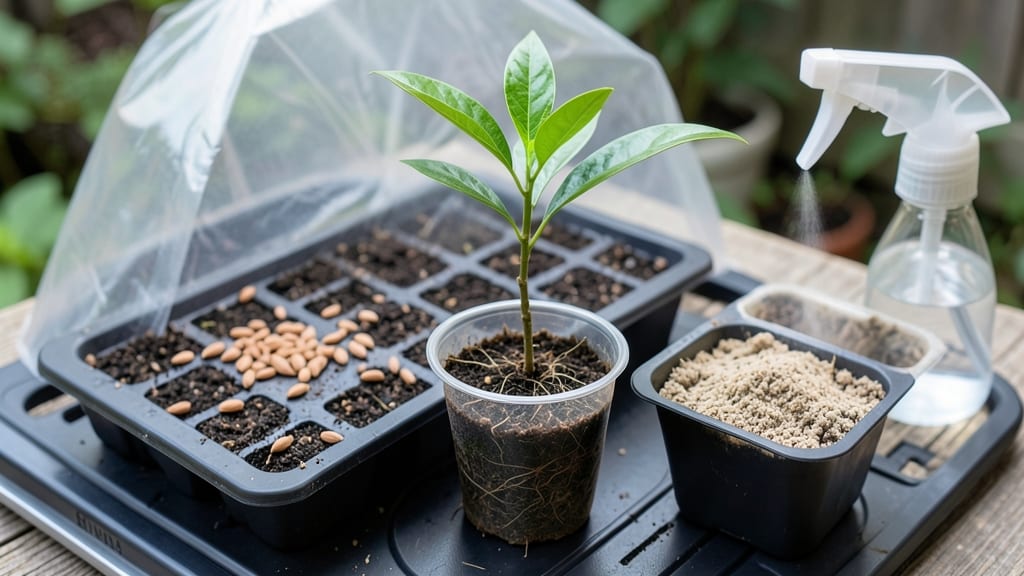
Unlocking the eucalyptus seed propagation magic starts with those mesmerizing seed pods—each twist revealing a promise of silvery-green growth. 🌿 The moment you hear that satisfying pop and see the tiny seeds inside, you’re holding the start of a fragrant future—if you know how to coax them into growing.
I’ve propagated dozens of these beauties, and the key is patience, just the right moisture, and a warm spot where they can stretch toward the light. The magic begins with fresh seeds from mature pods—no need for fancy prep, just a gentle rinse to remove any sticky residue.
Plant them shallow in well-draining soil, barely covering them, and keep the mix damp but never soggy. Germination can take 2-4 weeks, so resist the urge to check daily (they hate disturbance). A clear plastic dome or bag creates the humid microclimate they crave without overwatering.
Once those first pale green shoots appear, you’ll feel like a eucalyptus whisperer. Thin them to 2 inches apart, and watch as they develop glossy leaves that smell like a spa day. The real reward?
Transplanting them outdoors once frost risk passes—they’ll grow into towering trees or compact shrubs, depending on the variety, all from that twist-release moment.
Here’s the twist: eucalyptus seedlings are tough but picky. Too much shade stunts them, while direct afternoon sun can scorch young leaves. Mulch heavily to keep roots cool, and water at the base—not overhead—to avoid fungal issues.
If you’re growing indoors, a south-facing window or grow light is non-negotiable. Outdoor growers in cooler climates should start seeds early, as they take 2-3 years to mature enough for pruning or harvesting leaves.
Common mistakes? Overwatering (root rot is silent but deadly) and impatience (those seeds will germinate, even if it feels like forever). For beginners, start with a few pods—you’ll likely end up with more seedlings than you can handle.
The good news? Eucalyptus is drought-tolerant once established, so they’re low-maintenance after the initial coaxing. Ready to turn those pods into a fragrant forest?
📚 In This Guide
- What you need
- Instructions
- Tips and common mistakes
- Wrapping up and next steps
What you need
- ● Eucalyptus seeds: Fresh or stored seeds from Eucalyptus globulus or your preferred variety (1–2 tbsp for a small batch, ½ cup for larger plantings). Pro tip: Harvest seeds from fully mature, brown pods—squeeze gently to release seeds!
- ○ Seed trays or pots: 2–4 small containers (4–6 inches deep) with drainage holes. Optional: Use biodegradable peat pots for easy transplanting.
- ● Seed-starting mix: Lightweight, sterile potting soil (avoid garden soil—it’s too dense!). Mix: 50% peat moss + 50% perlite or vermiculite for aeration.
- ● Spray bottle: For misting seeds (a 16–32 oz bottle with a fine mist nozzle works best).
- ● Plastic wrap or humidity dome: To retain moisture while seeds germinate. DIY hack: Use a clear plastic bag with holes poked in the top!
- ● Grow lights or sunny windowsill: Eucalyptus seeds need bright, indirect light (6–8 hours daily). A basic LED grow light (~$20) or a south-facing window suffices.
- ● Labels & markers: To track seed varieties and planting dates (use toothpicks + masking tape for a rustic touch!).
- ● Temperature: Ideal germination range: 65–75°F (18–24°C). Too cold? Use a seedling heat mat ($10–$15) for a boost.
- ● Humidity: Keep soil consistently moist (not soggy!). Mist daily until germination (usually 14–30 days).
- ● Patience: Eucalyptus seeds can be slow to sprout—stay consistent!
- ● Fungicide (like mycorrhizal inoculant) to prevent damping-off in damp conditions.
- ● Fertilizer (balanced 10-10-10 or seaweed extract) for seedlings after 4–6 weeks.
- ● Tweezers for delicate seed handling (if seeds are tiny or sticky).
- ● Notebook to log germination progress—because science is fun!
Step-by-step guide to growing eucalyptus from seed pods
Here’s how to coax eucalyptus seedlings from those iconic twist-release pods—no sterile lab needed.
🌱 Step 1: Harvest and Prepare the Seed Pods
Collect mature eucalyptus seed pods when they’ve turned brown and dry but haven’t yet split open. The twist-release mechanism releases seeds when you gently twist the pod—this is your natural harvesting cue. Store pods in a paper bag for 2-3 weeks to ensure full drying before extraction.
Once fully dry, twist each pod between your fingers until it releases the tiny, papery seeds inside. I like to do this over a clean white sheet of paper so I don’t lose any seeds. These seeds have a hard outer coating, so they need scarification to soften it—either soak them in warm water for 24 hours or lightly sand the outer layer with fine-grit sandpaper.
💧 Step 2: Sow Seeds in a Light, Well-Draining Mix
Fill a shallow tray or small pots with a mix of 50% peat moss and 50% perlite or coarse sand. This ensures excellent drainage—eucalyptus seeds rot quickly if kept too wet. Moisten the mix lightly until it’s damp but not soggy, then sprinkle the seeds evenly over the surface.
Press them gently into the soil with your finger, but don’t bury them—just enough to make contact. Cover the tray with a clear plastic lid or plastic wrap to create a humid microclimate. Place the tray in a warm spot with indirect light (like an east-facing windowsill) and maintain a temperature of 70-75°F.
☀️ Step 3: Germinate Under Controlled Conditions
Eucalyptus seeds can take 2-4 weeks to germinate, so patience is key. Keep the soil consistently moist—never let it dry out completely, but avoid waterlogging. Mist the soil lightly every 2-3 days or when the surface feels dry to the touch.
Once the first true leaves appear (not the initial seedling leaves), remove the plastic cover immediately. At this stage, seedlings need bright, indirect light for 4-6 hours daily. If using artificial light, a simple fluorescent bulb works well—just keep it 12 inches above the seedlings to prevent leggy growth.
🌿 Step 4: Transplant and Encourage Robust Growth
When seedlings reach 2-3 inches tall and have developed 3-4 true leaves, it’s time to transplant them into individual 3-inch pots. Use the same light, well-draining mix you started with. Handle the seedlings carefully—they’re delicate at this stage, and their roots are shallow.
Place the pots in a location with full sun exposure (at least 6 hours daily) and gradually introduce them to outdoor conditions over 1-2 weeks if starting indoors. Water the soil when the top ½ inch feels dry, but avoid wetting the leaves to prevent fungal diseases. Fertilize lightly with a balanced, water-soluble fertilizer (like 10-10-10) once a month during the growing season.
⏰ Step 5: Prune and Maintain for Long-Term Health
Eucalyptus seedlings grow quickly, so pinch back the tips of new growth when they reach 6-8 inches tall to encourage bushier growth. This also helps strengthen the stems before they’re exposed to outdoor elements. Once established, prune in late winter or early spring to shape the plant and remove any dead or diseased branches.
Be mindful of pests like aphids or spider mites—these can stress young eucalyptus. If you spot any, treat the plant with a mild insecticidal soap or neem oil spray. With proper care, your eucalyptus seedlings will mature into sturdy, aromatic plants ready for landscaping or container growing within 1-2 years.
Tips & tricks for perfect eucalyptus seed propagation
These hands-on insights will help you coax the best possible seedlings from those twist-release pods.
Pod Selection: The 2-3 week drying period is non-negotiable—this ensures the pods release seeds cleanly. I've learned the hard way that freshly fallen pods often contain immature seeds that won't germinate. Look for pods that are completely brown and slightly papery to the touch. If you're unsure, split one open to check for fully formed seeds inside.
Scarification Technique: For the 24-hour warm water soak, use water that's around 100°F—not boiling, but warm enough to create steam when you open the container. This mimics natural conditions and helps soften the seed coats more effectively. If you choose sandpaper instead, use fine-grit (around 220-320) and work gently to avoid damaging the seeds.
Germination Environment: The 70-75°F temperature range is ideal, but most household thermostats maintain this naturally during spring and summer. If your home runs cooler, consider placing the tray on top of your refrigerator or near a sunny window during the day. Remember that eucalyptus seeds need consistent moisture—they won't tolerate drying out, but they also hate soggy conditions that can cause rot.
Light Transition: When moving seedlings to brighter light after the first true leaves appear, do it gradually over 3-4 days. Sudden exposure to full sun can scorch delicate seedlings. I place mine near an east-facing window first, then gradually move them to south-facing positions as they strengthen. The 4-6 hours of indirect light is crucial—direct sun at this stage can be too intense.
Pro Tips for Eucalyptus Seed Propagation
- These hands-on insights will help you coax the best possible seedlings from those twist-release pods.
- Pod Selection: The 2-3 week drying period is non-negotiable—this ensures the pods release seeds cleanly. I've learned...
- Scarification Technique: For the 24-hour warm water soak, use water that's around 100°F—not boiling, but warm enough ...
Frequently asked questions
Got questions about growing eucalyptus from seed?
You’re not alone! Here are answers to the most common queries—from timing to troubleshooting—so you can confidently start your propagation journey.
How long does it take for eucalyptus seeds to germinate?
Germination can take anywhere from 2 weeks to 3 months, depending on the species and conditions. Some varieties, like Eucalyptus globulus, sprout faster (1-2 weeks) if kept in warm, moist soil (70–80°F). Patience is key—don’t disturb the soil until you see sprouts!
Can I propagate eucalyptus from seed without scarifying them?
Yes, but scarification (nick or soak seeds) dramatically speeds up germination. If you skip it, try soaking seeds in warm water for 24 hours or using a seedling heat mat to encourage cracking. Some seeds may still germinate naturally, but it’ll take longer.
What’s the best time of year to plant eucalyptus seeds?
Spring or early summer (after last frost) is ideal for outdoor planting. Indoors, start seeds anytime with a grow light or sunny window. Eucalyptus thrives in warmth—avoid planting in fall/winter unless you’re in a frost-free zone (USDA Zones 8–11).
Why aren’t my eucalyptus seeds sprouting? Troubleshooting tips.
Check these common issues:
- Too cold: Seeds need warmth (use a heat mat or move to a warmer spot).
- Dampness issues: Overwatering causes rot; keep soil moist but not soggy.
- Old seeds: Eucalyptus seeds lose viability after 1–2 years. Buy fresh or test viability by soaking a few in water (floaters = non-viable).
- Low light: Place trays near a south-facing window or under grow lights.
Can I grow eucalyptus from seed in containers?
Use well-draining pots (12+ inches deep) with a mix of potting soil and perlite. Eucalyptus roots are deep—repot seedlings into larger containers as they grow. Just ensure containers have drainage holes to prevent root rot. Transplant outdoors after 1–2 years if space allows!
Wrapping up and next steps
Mastering eucalyptus seed propagation opens the door to growing these stunning trees with ease—especially with twist-release pods for a hands-off harvest! 🌿 Whether you're a gardening novice or a seasoned green thumb, this method simplifies the process while delivering rewarding results.
Now that you’re equipped with the right knowledge, it’s time to roll up your sleeves and start planting—your future eucalyptus grove awaits!
🚀 Next Steps:
- Gather your supplies and pick a sunny spot in your garden.
- Follow the step-by-step guide to collect, prepare, and sow your seeds.
- Monitor growth and enjoy the journey as your eucalyptus thrives!