
Lawn
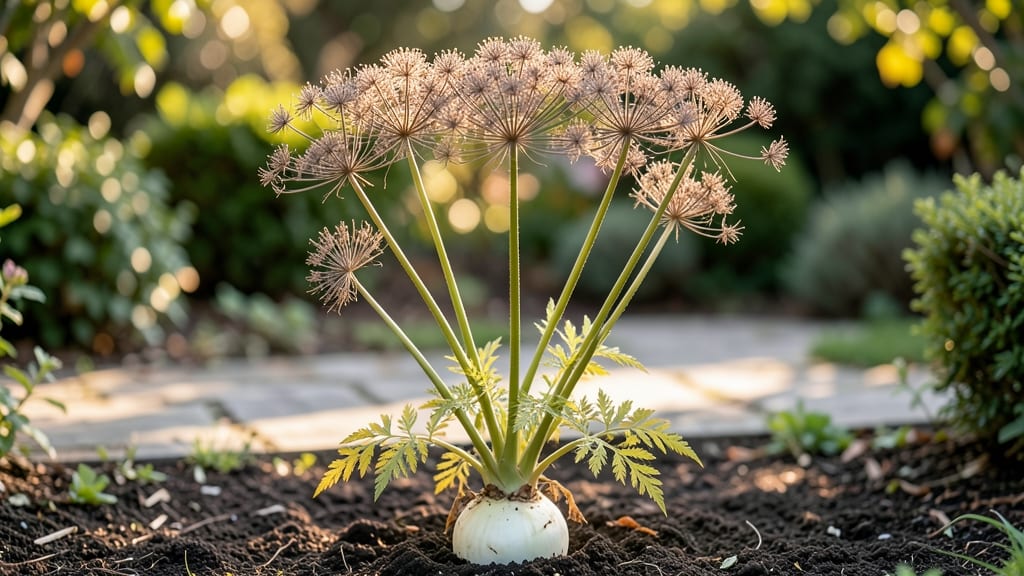
Fennel seed heads transform from lacy green umbrellas into fragrant gold treasure chests—if you know the trick. 🌿 I used to watch mine shatter and scatter seeds before I could collect them, but now I harvest full, intact heads that dry beautifully for cooking, medicine, or even garden decor.
The key is letting plants mature fully—no harvesting before late summer—while protecting them from birds and wind. A simple mesh bag over the seed head solves both problems, turning a messy process into a hands-off collection system that works even for busy gardeners.
Once dried, those feathery heads release seeds easily when gently rubbed, giving you enough for next year's garden or to share with friends. The seeds taste like anise, perfect for baking, teas, or even homemade fennel pollen for bees.
This method works for both ornamental and culinary fennel, and the dried seed heads add rustic charm to winter bouquets or holiday centerpieces. Let's make your fennel work harder for you!
📚 In This Guide
- What you need
- Instructions
- Tips and common mistakes
- Wrapping up and next steps
What you need
- ● Fennel plants (preferably Foeniculum vulgare with mature seed heads—look for brown, feathery umbels 🌼). Quantity: 1–3 plants (depending on desired yield).
- ● Brown paper lunch bags (unbleached, 12"–15" in length). Quantity: 1 per fennel seed head.
- ● Scissors or pruning shears (sharp, clean, and sterilized to avoid disease transfer).
- ○ Twine or rubber bands (for securing bags to stems). Optional: Use twist ties for extra grip.
- ● Permanent marker (to label bags with plant variety/date).
- ○ Glove (optional) (if handling prickly stems or allergens).
- ● Mesh bags or breathable fabric sacks (for larger fennel stands or long-term storage).
- ● Seed-saving envelope (for storing seeds post-harvest).
- ● Spray bottle with water (to lightly mist seed heads if humidity is low).
- ● Notebook (to track seed maturity dates or germination notes).
How to grow and harvest fennel seed heads for effortless collection
Here's the simple, hands-off method I use to grow fennel just for its fragrant seed heads—no fuss, no mess.
🌱 Step 1: Plant Fennel Seeds Directly in Well-Drained Soil
Fennel thrives in full sun and well-draining soil, so choose a spot with at least 6 hours of direct sunlight daily. Scatter the seeds ¼ inch deep and 12 inches apart—they germinate slowly, so don’t rush the process. Water gently after planting to settle the soil around the seeds.
Here's the thing—fennel seeds need warmth to sprout. If your spring soil is still cool (below 60°F), wait until nighttime temperatures stay above that mark. You'll see tiny green sprouts in 2-3 weeks, but don’t be surprised if they take longer in cooler climates.
☀️ Step 2: Provide Consistent Moisture and Support as Plants Mature
Once seedlings reach 4 inches tall, thin them to 18 inches apart to give roots room to spread. Fennel grows tall and leggy, so install stakes or a small trellis early—you’ll thank yourself later when a breeze doesn’t flatten your plants. Water at the base 1-2 times per week, letting the soil dry slightly between waterings.
Watch for yellowing leaves—this usually means overwatering. Fennel prefers slightly dry conditions once established. If your area gets heavy rain, mulch around the base to keep moisture even but not soggy.
🌿 Step 3: Let Seed Heads Fully Mature Before Harvesting
The magic happens when the plant bolts and produces those feathery seed heads. Wait until the heads turn a deep golden-brown color—this means the seeds are fully mature and ready for collection. You’ll know it’s time when the stems feel dry and crisp to the touch, and the seeds rattle inside the pods.
Don’t rush this step! Harvesting too early means immature seeds that won’t store well. A fully mature head should take 3-4 months from planting, depending on your climate. If frost threatens before the heads mature, cut them at the base and hang them upside down indoors to dry.
✂️ Step 4: Collect Seeds and Store for Future Plantings
Once the seed heads are fully dry, gently rub them between your hands or use a clean cloth to dislodge the seeds. Store them in a paper envelope or airtight container in a cool, dark place. Label the container with the year—fennel seeds stay viable for 2-3 years if kept dry.
For a hands-off approach, leave the dried seed heads on the plant until they release seeds naturally. Place a tray or shallow container beneath the plant to catch the seeds as they fall. This method works best in dry, windy conditions—Mother Nature does the work for you!
🪴 Step 5: Extend the Harvest Season with Successive Plantings
To enjoy fennel seed heads all season, plant new seeds every 2-3 weeks until 6-8 weeks before your first frost. This staggered approach ensures a continuous supply of fresh seed heads. Just remember: fennel is a biennial, so the first year focuses on leaf growth, and the second year produces seeds.
If you’re short on space, grow fennel in containers—just use a pot that’s at least 12 inches deep and 18 inches wide. The key is consistency: keep the soil moist, the sun abundant, and the patience high. Before you know it, you’ll have more fennel seeds than you know what to do with!
Tips & tricks for perfect fennel seed collection
These simple strategies will help you maximize your fennel seed harvest with minimal effort.
Timing Secret: The 2-3 week germination window can feel like forever, but patience pays off. If you're eager to check progress, gently press the soil near a seed—if you feel resistance, it's likely sprouting. Just don't disturb them too much! For cooler climates, consider using a seedling heat mat to speed up germination if nighttime temps stay below 60°F.
Plant Support Strategy: In Step 2, when staking your fennel, use soft plant ties or old t-shirts instead of wire. Fennel's feathery stems are delicate and can snap if tied too tightly. I've found that loosely wrapping the stems with fabric strips allows them to grow while still providing support during windy conditions.
Harvesting Cues: The golden-brown color in Step 3 is your best indicator, but there's another trick: gently shake a mature seed head over a paper bag. If seeds readily fall out, they're ready to collect. This method works especially well for the hands-off approach mentioned in Step 4.
Storage Wisdom: When storing your collected seeds, add a small packet of silica gel to your airtight container. This helps maintain dryness and extends viability beyond the 2-3 year mark. I've kept fennel seeds viable for up to 4 years using this method, though freshness diminishes after 3 years.
Pro Tips for Fennel Seed Heads
- These simple strategies will help you maximize your fennel seed harvest with minimal effort.
- Timing Secret: The 2-3 week germination window can feel like forever, but patience pays off.
- Plant Support Strategy: In Step 2, when staking your fennel, use soft plant ties or old t-shirts instead of wire.
Frequently asked questions
When are fennel seed heads ready for collection?
Fennel seed heads are ready when they turn a light golden brown and the seeds rattle inside when shaken gently. This usually happens 8–10 weeks after flowering. Wait too long, and the seeds may scatter—or worse, attract pests! Harvest on a dry day for best results.
What if my fennel seed heads split open before I can collect them?
If the seed heads split, it means the seeds are overripe and ready to disperse. Quickly shake them into a paper bag or harvest them by hand. For next time, try harvesting earlier or placing a breathable mesh bag over the heads to contain seeds.
Can I use fennel seed heads for anything besides collecting seeds?
Dried fennel seed heads make gorgeous dried florals for potpourri or centerpieces. You can also steep them in hot water for a soothing herbal tea (just remove the seeds first). Just ensure they’re fully dry to avoid mold.
How long do fennel seed heads last after harvesting?
Once collected, store seed heads in a cool, dry place (like a paper bag or jar) for up to 6 months. For seeds, remove them from the heads and keep them in an airtight container—they’ll stay viable for 1–2 years if stored properly.
What if my fennel plants don’t produce seed heads at all?
Fennel needs full sun (6+ hours/day) and well-draining soil to thrive. If your plants bolt (shoot up quickly) or flower poorly, they may be stressed from heat, overcrowding, or poor soil. Try planting in spring or fall for better success, and ensure they’re spaced 12–18 inches apart.
Wrapping up and next steps
Fennel seed heads are a game-changer for gardeners who love low-maintenance, high-reward plants! Their natural release pods make collecting seeds effortless, while their beauty and versatility add charm to any lawn or garden.
Whether you're saving seeds for next year or simply admiring their unique structure, fennel is a must-have for both beginners and seasoned growers.
Ready to try it out? Plant a few fennel seeds this season and enjoy the rewards of their hands-off seed collection—nature does the work for you! 🌱✨