Lawn
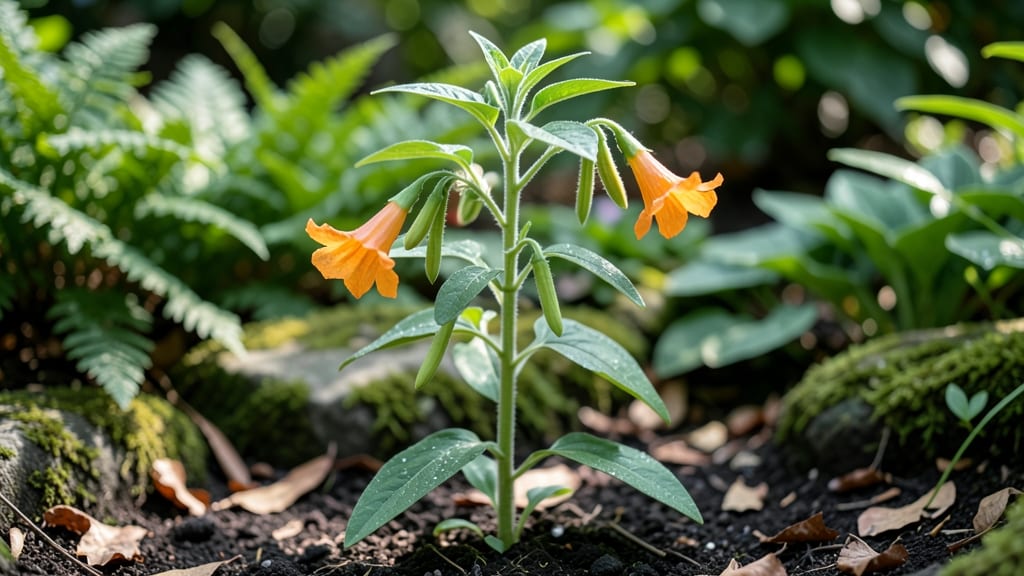
Those explosive seed pods are nature's way of saying "hands-off." 🌱 Impatiens or Touch-Me-Not plants release their seeds with a dramatic pop—perfect for gardeners who love low-maintenance propagation.
The secret lies in timing: pods mature when they turn from green to brown, but harvesting too late means they'll explode all over your garden instead of your palm.
You'll need just a few things: pruning shears for harvesting, a paper bag to catch seeds, and a bit of patience for germination. The pods release seeds with surprising force—up to 15 feet—so work near a container or flat surface.
Store seeds in a cool, dry place until ready to sow, but don't wait too long: fresh seeds germinate best within a few weeks of collection.
When sowing, scatter seeds on top of moist potting mix (no need to bury them) and keep them in bright, indirect light. Germination happens in 10-20 days if conditions are right, and you'll soon have delicate Impatiens seedlings ready for transplanting.
The key is consistency: keep soil evenly moist but never soggy, and avoid disturbing the seedlings once they sprout.
For garden design, pair Touch-Me-Nots with ferns or hostas—their trailing foliage creates lush, shade-loving combos. Just avoid placing them near paths where exploding pods might startle visitors. With this method, you'll have a steady supply of new plants without the hassle of traditional seed collection.
📚 In This Guide
- What you need
- Instructions
- Tips and common mistakes
- Wrapping up and next steps
What you need
- ● Touch Me Not (Impatiens capensis) seeds – 1–2 packets (500–1,000 seeds total). Choose organic or heirloom varieties for best results.
- ● Well-draining potting mix – 1–2 bags (1 cubic foot each). Opt for a seed-starting mix for young plants.
- ● Containers or garden bed – Small pots (4–6 inches deep) for seedlings or a partially shaded garden spot with moist, rich soil.
- ● Watering can or spray bottle – For gentle hydration (avoid oversaturating seeds).
- ○ Gloves (optional but recommended) – To protect hands from the explosive seed pods!
- ● Plant labels – To track varieties (especially if growing multiple types).
- ● Mulch (straw or shredded leaves) – 1–2 inches thick to retain moisture.
- ○ Pruning shears – For trimming leggy stems (optional but helpful).
- ● Shade cloth (30–50%) – If growing in hot climates (Touch Me Not thrives in partial shade).
- ○ Compost or slow-release fertilizer – 1–2 cups per plant (optional for nutrient boost).
Step-by-step guide to growing touch-me-not plants for natural seed pods
Watch these fascinating plants release seeds on their own—no harvesting required.
🌱 Step 1: Select and Prepare the Right Location
Choose a spot with full sun (at least 6-8 hours daily) and well-draining soil. Touch-me-nots (Impatiens capensis) thrive in moist, rich soil but won’t tolerate soggy roots. If your garden soil is heavy clay, mix in 2-3 inches of compost to improve drainage and fertility before planting.
I always test soil moisture by squeezing a handful—if it crumbles easily, it’s ready. If it sticks together, amend with additional compost or peat moss. These plants grow best in USDA zones 3-11, so adjust planting timing based on your last frost date. In cooler climates, start seeds indoors 8-10 weeks before the last frost.
🌿 Step 2: Plant Seeds at the Correct Depth and Spacing
Sow seeds ¼ inch deep in early spring after all danger of frost has passed. Space them 12-18 inches apart—they’ll grow 2-4 feet tall and spread 1-2 feet wide. I like to plant them in clusters along garden edges or near water features, where their cascading habit adds movement.
Keep the soil consistently moist but not waterlogged during germination, which takes 10-21 days. A light misting with a spray bottle works best—avoid heavy watering, which can dislodge seeds. Once seedlings emerge, thin to the strongest plant per spot, snipping weaker ones at the base with clean scissors.
☀️ Step 3: Provide Consistent Moisture and Monitor Growth
Water at the base of plants 1-2 inches deep, keeping the soil evenly moist. These plants love humidity but hate dry spells—wilting signals they need water immediately. Mulch with 2-3 inches of straw or shredded leaves to retain moisture and suppress weeds, which compete for nutrients.
Fertilize lightly every 4-6 weeks with a balanced 10-10-10 formula. Too much nitrogen promotes leafy growth at the expense of seed pods. Watch for pink or white flowers in late summer—these will develop into the iconic seed pods that "touch me not" when mature.
⏰ Step 4: Let Seed Pods Mature Naturally for Hands-Off Collection
Leave pods on the plant until they turn brown and papery, typically 6-8 weeks after flowering. The pods will split open with the slightest touch, releasing seeds up to 20 feet away—hence the name! To collect seeds, place a paper bag or tray under the plant when pods begin drying.
If you want to preserve seeds for next year, harvest pods before they fully dry, then spread them on a screen in a dry, shaded area for 1-2 weeks to finish maturing. Store in a cool, dry place until planting. I always label my seed packets with the year and variety to avoid confusion.
Tips & tricks for perfect touch-me-not seed pod growth
These insider secrets will help your touch-me-not plants thrive—and produce those iconic seed pods with minimal effort.
Sunlight Secret: While the instructions call for 6-8 hours of full sun daily, I’ve found that morning sun with afternoon shade works beautifully in hotter climates. The key is avoiding midday sun when temperatures exceed 85°F, which can stress the plants. If you notice leaves wilting in afternoon heat, provide temporary shade with a sheer fabric cover until temperatures drop.
Germination Strategy: The 10-21 day germination window can feel like an eternity, but you can speed things up by pre-soaking seeds in warm water for 4-6 hours before planting. Place them in a damp paper towel overnight—they’ll sprout faster, and you’ll know exactly which seeds are viable. Just be gentle when transplanting those pre-sprouted seeds to avoid damaging the delicate roots.
Watering Wisdom: Those 1-2 inches of deep watering should be done consistently, but timing matters most. Water in the early morning so foliage has time to dry before evening—this prevents fungal issues that can stunt growth. I’ve also found that using drip irrigation or soaker hoses delivers moisture right to the roots without disturbing the soil surface, which is especially helpful during the 10-21 day germination period.
Pod Preservation: When harvesting pods before full drying, spread them on a screen in a cool, dry place with good airflow—this prevents mold while allowing them to finish maturing. I like to place a small fan nearby on low setting to maintain gentle airflow. If you notice any pods developing mold, remove them immediately and discard to protect your seed stash.
Pro Tips for Touch Me Not Seed Pods
- These insider secrets will help your touch-me-not plants thrive—and produce those iconic seed pods with minimal effort.
- Sunlight Secret: While the instructions call for 6-8 hours of full sun daily, I’ve found that morning sun with afternoon shade works beautifully in hotter climates.
- Germination Strategy: The 10-21 day germination window can feel like an eternity, but you can speed things up by pre-soaking seeds in warm water for 4-6 hours before planting.
Frequently asked questions
Got questions about Touch Me Not seed pods? You’re not alone—these fascinating plants spark curiosity! Here are answers to the most common queries to help you grow and enjoy them with ease.
When do Touch Me Not seed pods mature and release seeds?
Seed pods typically mature in late summer to early fall (around 90–120 days after planting). They’ll turn brown and dry out, then explode when touched—hence the name! For a hands-off approach, wait until pods are fully dry before harvesting. Pro tip: Shake them gently over a bag to collect seeds without the dramatic "pop!"
Why aren’t my Touch Me Not pods opening or releasing seeds?
If pods stay closed, they may still be too moist or not fully mature. Try these fixes:
- Move plants to a drier, sunnier spot to speed up drying.
- Harvest pods early (when brown but slightly pliable) and dry them indoors on paper towels.
- Check for pests (like aphids) or disease—healthy pods should feel crisp, not mushy.
Can I grow Touch Me Not seed pods in containers or small gardens?
These plants thrive in containers 12+ inches deep with well-draining soil. Just ensure:
- Full sun (6+ hours daily).
- Regular watering (keep soil moist but not soggy).
- Space pods away from walkways—they’ll launch seeds up to 10 feet!
For small spaces, opt for dwarf varieties like Impatiens walleriana (Busy Lizzie), which has similar seed-release mechanics but stays compact.
Are Touch Me Not seed pods invasive or harmful to other plants?
Touch Me Nots (Impatiens capensis) are not invasive in most U.S. climates but can self-seed aggressively in moist areas. To prevent spread:
- Deadhead spent pods before they burst if you don’t want volunteers.
- Avoid planting near water sources (ponds, streams) where they might outcompete natives.
- They’re non-toxic to pets and humans, but seeds may stain light-colored fabrics!
What’s the best way to store Touch Me Not seeds for next year?
Store seeds in a cool, dry place (like a sealed envelope in the fridge) for up to 2 years. For best germination:
- Label seeds with the harvest date.
- Sow fresh seeds outdoors in spring—they need light to germinate (don’t bury deeply!).
- Soak seeds overnight in lukewarm water to soften the pod coating before planting.
Fun fact: These seeds are tiny—just 1 tsp holds ~500 seeds!
Wrapping up and next steps
Growing Touch Me Not seed pods is a rewarding way to add a whimsical, low-maintenance touch to your lawn or garden while enjoying nature’s clever mechanisms. These pods offer a hands-off approach to seed collection—just let them do the work!
Whether you’re drawn to their playful explosion or their ecological benefits, embracing these plants invites a little magic into your outdoor space. 🌿✨
Ready to try? Start small—plant a few pods this season and watch them transform your garden into a dynamic, self-sustaining ecosystem. Happy growing!