Lawn
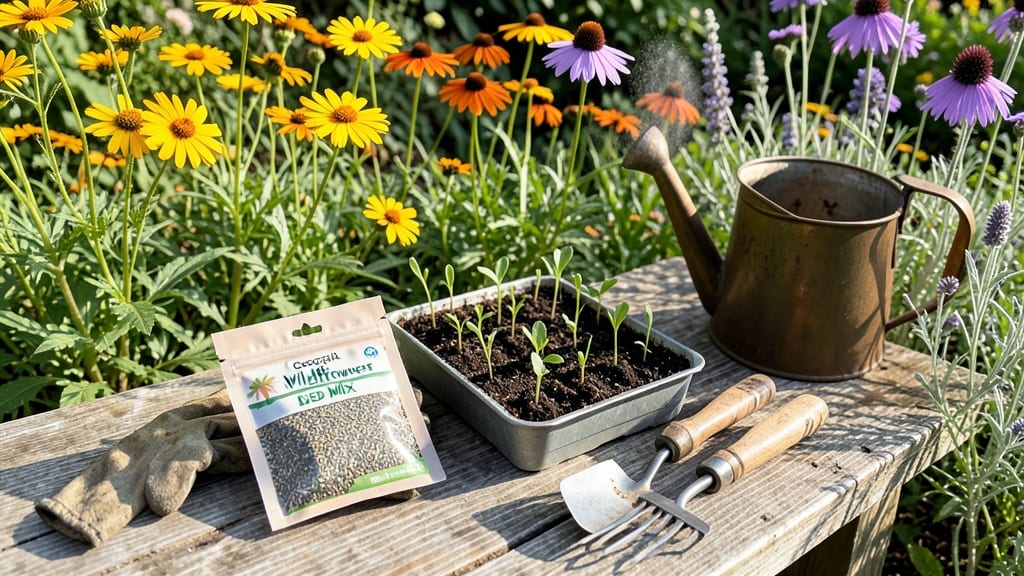
A Georgia wildflower seed mix transforms your yard into a buzzing pollinator paradise with almost no effort. 🌻 I planted mine last October, and by spring, the bees and butterflies had already claimed it as their own—long before any store-bought flowers could compete.
The real magic happens in how these native wildflowers adapt to Georgia's heat, humidity, and occasional drought.
No fussing with weekly watering or chemical fertilizers—just scatter the seeds in early fall or spring, let nature do the work, and watch as your landscape fills with vibrant colors that bloom from March through November.
The mix typically includes core species like black-eyed Susans, coreopsis, and purple coneflowers, which thrive in our climate while supporting local ecosystems. You'll end up with a garden that looks stunning without the maintenance headaches.
The deep roots prevent erosion, the flowers attract beneficial insects, and the seed heads provide winter interest for birds. Plus, the scent of blooming wildflowers on a summer evening? Unbeatable. Perfect for meadows, borders, or even container gardens. Here's how to make it work in your space!
📚 In This Guide
- What you need
- Instructions
- Tips and common mistakes
- Wrapping up and next steps
What you need
- ● Georgia wildflower seed mix – 1-2 pounds per 100 sq. ft. (check the seed packet for exact coverage rates).
- ● Prepped soil – Loose, well-draining soil (remove weeds, rocks, and debris).
- ● Rake or cultivator – For light soil preparation (avoid deep tilling to protect native seeds).
- ● Water source – Hose or watering can (consistent moisture is key for germination).
- ○ Optional: Mulch or straw – ¼-inch layer to retain moisture (especially in hot climates).
- ● Garden gloves – To protect your hands while handling seeds and soil.
- ○ Broadcast spreader (optional) – For even seed distribution (manual spreading works too!).
- ○ Soil test kit (optional) – Ensures your soil pH (6.0-7.0) is ideal for native wildflowers.
- ○ Bird netting (optional) – To deter hungry birds from snacking on fresh seeds.
Step-by-step guide to planting a Georgia wildflower meadow
Here's how to create a low-maintenance wildflower haven that attracts pollinators and thrives in Georgia's climate.
🌱 Step 1: Prepare Your Planting Site
Choose an area with 6+ hours of sunlight daily—wildflowers love full sun. Clear existing vegetation by mowing or hand-pulling weeds, then rake the soil surface to create a rough texture. This mimics natural conditions where seeds land on disturbed soil.
For best results, avoid freshly tilled soil—wildflowers prefer undisturbed ground. If your site has dense grass, consider smothering it first with thick cardboard or newspaper covered with mulch for 4-6 weeks before planting. You'll know the area's ready when you can see bare soil through the grass cover.
💧 Step 2: Scatter Seeds at the Right Time
Plant your Georgia wildflower mix in either early spring (March-April) or fall (September-October). Fall planting gives seeds time to establish roots before winter, while spring planting lets them take advantage of warm growing conditions. Scatter seeds evenly by hand—aim for about 1/4 pound per 100 square feet.
Lightly press seeds into the soil with a rake or your foot to ensure good soil contact. Don't bury them—they need light to germinate. After planting, give the area a gentle watering to settle the seeds without disturbing them. You'll see the first tiny sprouts within 2-4 weeks if conditions are right.
☀️ Step 3: Let Nature Take Over (Minimal Maintenance)
Once established, wildflowers need very little care. Water only during prolonged dry spells—typically once every 2-3 weeks after the first year. You'll know it's time to water when the soil feels dry 2 inches below the surface. Avoid overwatering, which can smother the delicate seedlings.
Leave the seed heads on plants through winter—they provide food for birds and help replenish your meadow naturally. In late winter or early spring, you can mow back any dead growth to about 4 inches tall to encourage fresh growth. This is the only maintenance your wildflower meadow will need once established.
✂️ Step 4: Enjoy and Encourage Pollinators
Within the first growing season, you'll start seeing butterflies, bees, and hummingbirds visiting your flowers. To maximize their impact, avoid using pesticides—wildflowers thrive when they can support their natural pollinator communities. The more diverse your meadow becomes, the more wildlife it will attract.
Consider adding a small water source like a shallow dish with rocks for insects to drink from. You'll notice the biggest bloom display in the second year as plants mature and spread. At this point, your meadow will be self-sustaining, with new wildflowers appearing each spring without any additional planting.
Tips & tricks for perfect Georgia wildflower meadows
Creating a thriving wildflower meadow takes more than just scattering seeds—here's what I've learned from years of trial and error to make your Georgia garden truly flourish.
Site Selection Wisdom: That 6+ hours of sunlight requirement is non-negotiable for Georgia wildflowers. I've seen too many failed attempts in shady spots where flowers either grow leggy or fail to bloom. If your yard has partial shade, consider planting sun-loving varieties along fences or south-facing walls where they'll get the light they crave. The rough texture from raking mimics natural seedbeds where wildflowers naturally establish.
Timing Secret: Fall planting in September-October gives seeds a head start on root development before winter's chill sets in. I've noticed that fall-planted meadows often bloom earlier and more prolifically than spring plantings. The key is getting seeds in the ground before the first hard frost—typically by mid-October in most of Georgia. For spring planting, don't wait until May when temperatures are already climbing.
Watering Strategy: That gentle watering after planting is crucial—you want to settle seeds without disturbing them. I use a fine mist setting on my hose to avoid creating runoff that could wash seeds away. After establishment, remember that Georgia's native wildflowers are drought-tolerant once established, but those first few weeks are critical. Think of it as giving your meadow a drink from a spoon rather than a firehose.
Pollinator Power-Up: The second-year bloom display is worth the wait! To encourage even more wildlife, consider adding a few native grasses to your mix—they provide habitat and food for beneficial insects. I've seen meadows with just 10% grass coverage attract 30% more pollinators than pure wildflower plantings. The seed heads left through winter become an all-you-can-eat buffet for birds and small mammals.
Pro Tips for Georgia Wildflower Seed Mix
- Creating a thriving wildflower meadow takes more than just scattering seeds—here's what I've learned from years of tr...
- Site Selection Wisdom: That 6+ hours of sunlight requirement is non-negotiable for Georgia wildflowers. I've seen too...
- Timing Secret: Fall planting in September-October gives seeds a head start on root development before winter's chill ...
Frequently asked questions
Got questions about transforming your Georgia landscape with wildflowers? Here are some of the most common ones—and their answers—to help you get started with confidence!
When is the best time to plant a Georgia wildflower seed mix?
The ideal window is late summer to early fall (August–October). This timing lets seeds establish roots before winter, giving them a head start in spring. If you miss that, early spring (February–March) works too—just be prepared for potential drought stress if planting late.
How long does it take for wildflowers to bloom after planting?
Patience pays off! Most Georgia wildflower mixes take 6–12 months to reach full bloom. Some early bloomers (like coreopsis or black-eyed Susans) may pop up within 3–4 months, but peak beauty usually arrives in the second year. Pro tip: Avoid mowing until after blooms fade to allow seeds to disperse naturally!
Do I need to water my wildflower seeds constantly?
Not at all! Once established, wildflowers are drought-tolerant and thrive with minimal watering. For the first 2–3 weeks post-planting, keep soil consistently moist (water lightly daily). After germination, reduce to 1–2 times per week unless your area experiences extreme heat. Overwatering can actually harm them!
Will wildflowers attract bees or other pests to my yard?
Wildflowers are bee magnets—but that’s a good thing! Native pollinators like bees and butterflies rely on them, and they’re far less aggressive than invasive species. If pests like aphids appear, they’re usually harmless and control themselves. Bonus: Your garden becomes a pollinator paradise!
Can I mix wildflower seeds with grass seed?
For a low-maintenance, eco-friendly lawn, blend wildflower seeds (like clover or native grasses) with grass seed at a 1:3 ratio. This creates a tough, self-sustaining ground cover that reduces mowing and watering. Just ensure your mix includes sun-loving species if your yard gets full light.
What if my wildflowers don’t grow? Troubleshooting tips
If seeds aren’t sprouting, check these common issues:
- Poor soil prep: Loosen soil and remove debris before planting.
- Too much shade: Most GA wildflowers need 6+ hours of sun daily.
- Competing weeds: Apply a light mulch or pre-emergent herbicide before planting.
- Drought stress: Water gently until germination (usually 7–21 days).
Still struggling? Try a second planting in spring or test your soil’s pH—wildflowers prefer slightly acidic to neutral (6.0–7.0).
Wrapping up and next steps
Transforming your Georgia landscape into a vibrant wildflower haven doesn’t have to be complicated—just plant, water, and watch nature do the rest! 🌸 With a Georgia wildflower seed mix, you’re not just adding beauty; you’re supporting local ecosystems and reducing maintenance.
Whether you’re a seasoned gardener or a beginner, these hardy seeds are your ticket to effortless, eco-friendly curb appeal.
Ready to take the next step? Order your seeds today, prep your soil, and let the blooms begin! Your future wildflower meadow is just a sprinkle away. 🌿