Lawn
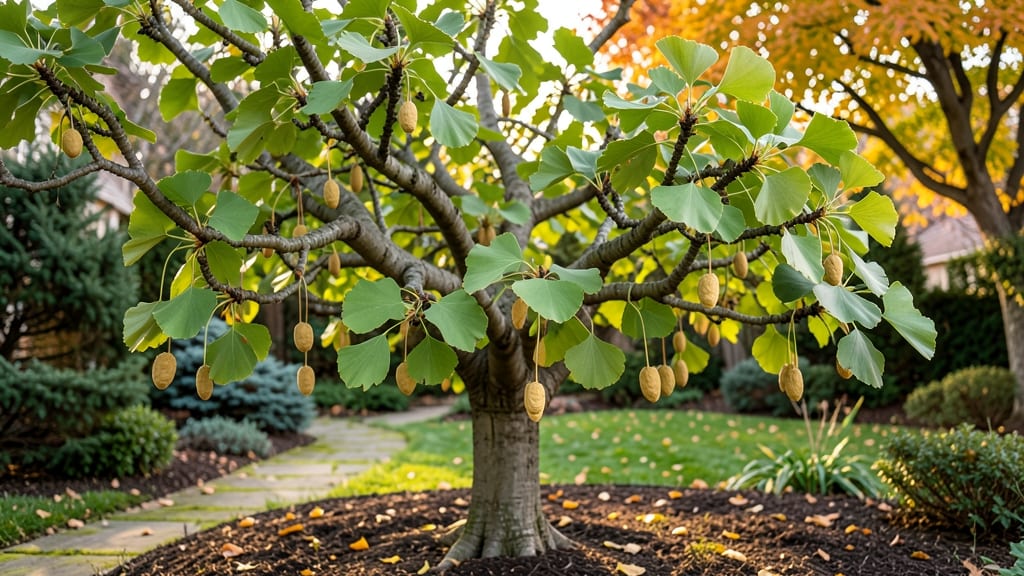
Those ginkgo tree seed pods aren't just messy—they're nature's built-in seed dispersal system, and they hold the key to growing your own tree. 🌱 The moment you see them turn from green to golden-brown, you know it's time to act before they release their seeds everywhere.
I've learned the hard way that ignoring them means dealing with a yard full of seedlings you didn't plan for.
Harvesting them is simpler than you'd think—just twist and pull when they're ripe, then let them dry completely. The pods contain one or two large, fleshy seeds that look like tiny ginkgo trees waiting to happen.
These aren't your average seeds; they need a special treatment called stratification to germinate, but the process is straightforward once you know how.
What you'll end up with is a ginkgo tree that can live for centuries, with fan-shaped leaves that turn golden in fall—something that'll make your neighborhood green with envy. The seeds themselves are edible (though they have a strong flavor), but their real value is in propagation.
With just one pod, you could start a tree that outlives you.
Works best in USDA zones 3-8, where ginkgos thrive, but the process adapts to containers for smaller spaces. Here's how to turn those messy pods into something beautiful—and useful—before they drop their seeds all over your yard.
📚 In This Guide
- What you need
- Instructions
- Tips and common mistakes
- Wrapping up and next steps
What you need
- ● Ginkgo tree seed pods: Ripe, tan-colored pods (typically fall season). Aim for at least 50 pods for a meaningful harvest.
- ● Gloves (nitrile or latex): A pair to protect your hands from the pods’ sticky resin and potential irritation.
- ● Large plastic bags or buckets: 2–3 5-gallon capacity containers to collect pods without crushing them.
- ● Pruning shears or small saw: For safely trimming pods from high branches (if needed). Opt for bypass pruners for precision.
- ● Tarp or drop cloth: A 6’x6’ waterproof sheet to lay under the tree and catch falling pods.
- ● Knife or pod splitter: A sharp, serrated utility knife (or a dedicated pod-cracking tool) to open pods without damaging seeds.
- ● Colander or mesh strainer: 1/4-inch mesh to separate seeds from pulp and debris.
- ● Paper towels or cheesecloth: For drying and cleaning seeds post-harvest.
- ● Air-tight containers: 2–3 small jars (like mason jars) with lids for seed storage.
- ● Ladder or tree pruning pole: For reaching high branches safely (if your tree is tall!).
- ○ Seed viability test kit: To check seed freshness before planting (optional but handy!).
- ● Labeling tags: For marking containers with harvest dates.
- ● Compost bin: To dispose of pulp and husks sustainably.
How to harvest and extract ginkgo tree seeds from pods
Ginkgo seeds are nature's clever package—here's how to tap into their twist-release mechanism for easy collection.
🌱 Step 1: Identify and Collect Ripe Ginkgo Pods
Wait until pods turn from green to a tan or brown color—this signals they're fully ripe and ready for harvesting. Ginkgo pods release seeds naturally when mature, but collecting them yourself ensures you get the freshest specimens. Wear gloves; the outer flesh can stain hands and clothing.
Gently twist each pod to test readiness—if it separates easily from the stem, it's harvest-ready. Avoid dropping pods, as the seeds inside bruise easily. Place collected pods in a paper bag (not plastic) to allow airflow and prevent mold. You'll need about 10-15 pods to yield enough seeds for standard propagation projects.
🪴 Step 2: Prepare for Seed Extraction
Lay a clean towel or newspaper on your work surface to catch the mess—ginkgo pods release a sticky, foul-smelling gel when opened. This is normal, but it's why outdoor work is ideal. Use a sharp knife or pruning shears to carefully slice open each pod lengthwise, being cautious not to cut the seeds inside.
Place the opened pods on a tray or shallow container. The seeds will naturally separate from the pod's inner lining as you work. Here's the thing—don't rush this step. The gel inside is protective, and removing it too aggressively can damage the seed's outer shell, which is crucial for successful germination.
💧 Step 3: Rinse and Clean the Seeds
Once seeds are free from the pods, rinse them thoroughly under lukewarm water to remove all residual gel. The gel contains butyric acid, which gives ginkgo pods their characteristic "rotten cheese" smell and can inhibit germination if left on the seeds. Use a fine-mesh strainer to catch tiny seeds while rinsing.
Spread the cleaned seeds on a clean towel or paper towels to dry. They're ready when the outer shell feels slightly firm to the touch—usually within 24-48 hours. Avoid direct sunlight during drying, as excessive heat can crack the seed coat. Store dried seeds in a paper envelope in a cool, dry place until you're ready to plant.
⏰ Step 4: Stratify Seeds for Germination
Ginkgo seeds require a cold stratification period to break dormancy. Place the dried seeds in a plastic bag with a damp paper towel—just enough moisture to keep the towel damp, not soaking wet. Seal the bag and refrigerate for 3-4 months at 35-45°F.
Check the seeds monthly to ensure the towel remains damp. After stratification, you'll see a slight softening of the seed coat—this is your cue that the seeds are ready for planting. Real talk: this waiting period is the hardest part, but it's what ensures strong, healthy seedlings later. Don't skip it.
☀️ Step 5: Plant Stratified Seeds
Fill small pots with a well-draining seed-starting mix and plant each seed about 1 inch deep. Space them 2 inches apart to allow for root development. Water gently but thoroughly, ensuring the soil is moist but not waterlogged. Place the pots in a location with bright, indirect light—direct sun can overheat the soil.
Keep the soil consistently moist during germination, which typically takes 4-8 weeks. You'll know it's working when you see the first signs of growth—a tiny sprout pushing through the soil. This is the moment that matters: patience pays off with strong, viable seedlings ready for transplanting into larger containers or outdoor planting beds.
Tips & tricks for perfect ginkgo seed collection
Working with ginkgo pods reveals nature's clever design—here's how to make the most of their twist-release mechanism without losing any seeds along the way.
Pod Selection Strategy: Harvest pods only when they've fully matured to tan or brown color. I've learned the hard way that premature pods release seeds too early, and those seeds often don't survive. The twist test is foolproof—if it separates easily from the stem, that's your signal. For best results, collect pods on dry days when the air is cool, as humidity can cause the pods to split prematurely on the tree.
Extraction Technique: When slicing open pods in Step 2, use a sharp knife to make clean lengthwise cuts—this prevents crushing the seeds inside. I always work outdoors or near an open window because that sticky gel has a potent smell. Place a fine-mesh strainer under your work area to catch any tiny seeds that might fall during extraction. The seeds will naturally separate from the pod's inner lining, but be patient—rushing can damage their protective outer shell.
Stratification Success: During the 3-4 month cold stratification in Step 4, I recommend placing a small air hole in your plastic bag using a needle. This prevents condensation buildup while maintaining humidity. Check your seeds monthly by gently squeezing the towel—it should feel damp like a wrung-out sponge, not soggy. The slight softening of the seed coat after stratification is your green light to plant, and it's the most reliable indicator that dormancy has been broken.
Germination Environment: For Step 5, I've found that maintaining soil moisture at 60-70% humidity during germination creates the ideal conditions. You can achieve this by placing your seed pots on a tray filled with pebbles and water—just make sure the pots aren't sitting directly in water. The bright, indirect light requirement means placing pots near an east-facing window works perfectly, as it provides gentle morning sunlight without the intensity of midday sun.
Pro Tips for Ginkgo Tree Seed Pods
- Working with ginkgo pods reveals nature's clever design—here's how to make the most of their twist-release mechanism without losing any seeds along the way.
- Pod Selection Strategy: Harvest pods only when they've fully matured to tan or brown color.
- Extraction Technique: When slicing open pods in Step 2, use a sharp knife to make clean lengthwise cuts—this prevents crushing the seeds inside.
Frequently asked questions
Got questions about ginkgo tree seed pods?
You’re not alone! Here are some of the most common queries—plus quick, practical answers to help you navigate seed collection like a pro.
When do ginkgo tree seed pods ripen and drop?
Ginkgo seed pods typically ripen in late fall (October–November), turning from green to a bright yellow or brownish hue. They’ll start dropping naturally when fully mature—usually within 2–4 weeks after turning color. If pods linger too long, they may split open, releasing seeds prematurely.
Are ginkgo seed pods toxic to pets or kids?
Yes, both the pods and seeds contain ginkgotoxin, a compound that can cause vomiting, diarrhea, or neurological issues if ingested. Keep pets and children away from fallen pods, and never consume them raw. Always wear gloves when handling them!
Can I plant ginkgo seeds from store-bought pods?
Technically yes, but ginkgo trees are dioecious—meaning you need a male and female tree for seeds to form. Store-bought pods are usually from ornamental females, so their seeds may not germinate reliably. For guaranteed growth, buy certified male/female seedlings from a nursery.
What’s the best way to collect pods without wasting seeds?
Use a pruner or pole to harvest pods before they split open. Lay a tarp or mesh bag beneath the tree to catch falling pods. Avoid shaking branches—this can damage the tree. Once collected, dry pods indoors for 1–2 weeks before separating seeds.
What if my ginkgo tree isn’t producing pods?
Your tree might be male (no pods) or too young (<10 years). Check for female trees nearby—ginkgos rely on wind pollination. If your tree is female but still not fruiting, it could be stressed, overpruned, or lacking nutrients. Try balanced fertilizer in early spring!
Wrapping up and next steps
Ginkgo tree seed pods offer a unique, hands-free way to collect seeds while adding a touch of nature’s whimsy to your lawn. Whether you’re drawn to their twist-release mechanism or their role in supporting local ecosystems, these pods are a fun and low-maintenance solution. 🌿✨
Ready to embrace this natural twist? Start by planting a ginkgo tree—your future seed harvest (and the joy of watching those pods open) awaits!