
Lawn
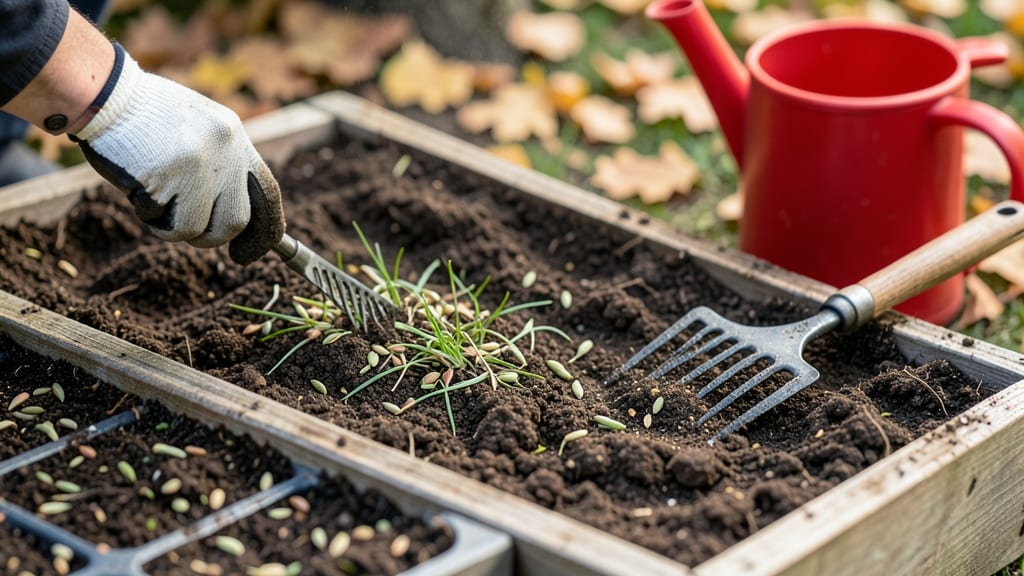
Autumn grass seed planting works better than spring—here’s why. 🌱 The cooler temperatures and consistent moisture give seeds the perfect chance to establish roots before winter, while avoiding the brutal summer heat. I learned this the hard way after my spring-planted lawn struggled through drought and weeds.
Soil prep is everything: test your pH, loosen compacted areas, and remove debris. Choose a seed blend suited to your climate zone—cool-season grasses like fescue or rye thrive in fall, while warm-season types need spring planting. A light raking and even spread create ideal conditions for germination.
Within 4-6 weeks, you’ll see thick, green shoots pushing through. Water deeply 2-3 times weekly (about 1 inch total) to keep soil moist but not soggy. This fall routine means less weeding and more time enjoying your lawn next summer.
Works for new lawns, patchy areas, or overseeding existing grass. Here’s how to make it foolproof—no more bare spots or weak growth.
📚 In This Guide
- What you need
- Instructions
- Tips and common mistakes
- Wrapping up and next steps
What you need
- ● Grass seed: Choose a cool-season variety (e.g., Kentucky Bluegrass, Fescue, or Ryegrass) suited to your climate. Quantity: 5–10 lbs per 1,000 sq ft (follow package instructions for exact coverage).
- ● Topsoil or compost: ¼ inch layer to improve soil quality. Quantity: Enough to cover your lawn area evenly.
- ● Fertilizer: Slow-release, autumn-specific fertilizer (e.g., 10-10-10 or 16-4-8). Quantity: ½ lb per 100 sq ft.
- ● Water: Access to a hose, sprinkler, or irrigation system for consistent moisture.
- ● Lawn rake: Metal or plastic with fine tines to loosen soil and level the area.
- ● Broadcast spreader: For even seed distribution (manual or battery-operated preferred).
- ● Garden hose with nozzle: Adjustable spray for gentle watering.
- ○ Soil tester kit (optional): To check pH (ideal range: 6.0–7.0 for cool-season grasses).
- ○ Mulching mats (optional): Biodegradable or straw to retain moisture and protect seeds from birds.
- ● Weather check: Plant when daytime temps are 60–75°F and nights dip below 50°F (ideal: 4–6 weeks before first frost).
- ● Soil prep: Clear debris, till or aerate compacted soil, and level uneven areas.
- ● Time commitment: Plan for 1–2 hours of active work + daily watering for the first 2–3 weeks.
Step-by-Step instructions for autumn grass seed planting
Here's how to plant grass seed in fall for a lush spring lawn—no guesswork, just proven timing.
🌱 Step 1: Prepare the Soil for Perfect Seedbed Conditions
Rake the existing soil until it's smooth and free of debris—think of it as creating a soft, welcoming bed for your seeds. Use a garden rake to break up any compacted areas, especially if your lawn has heavy foot traffic. You'll know it's ready when the surface looks fine and crumbly, like freshly tilled garden soil.
For new lawns, loosen the top 2-3 inches of soil to help roots establish. Spread a thin layer of compost (about ¼ inch) over the area to improve fertility and moisture retention. This step ensures your seeds have the best possible start before winter dormancy.
🌿 Step 2: Spread Grass Seed Evenly for Uniform Germination
Use a broadcast spreader to distribute the seed evenly across the prepared area. Walk in straight lines, overlapping slightly with each pass to avoid thin spots. A good rule of thumb is to apply seed at the rate recommended on the package—usually 4-8 pounds per 1,000 square feet for most cool-season grasses.
For smaller areas, use a hand spreader or even a piece of cardboard with holes cut in it to scatter seeds manually. Lightly rake the area again after spreading to press seeds into the soil without burying them. This ensures good soil contact for even germination when spring arrives.
💧 Step 3: Water Immediately and Maintain Moisture Through Winter
Water the seeded area thoroughly right after planting—aim for ½ inch of water to settle the seeds into the soil. Use a gentle sprinkler to avoid displacing the seeds. In the first week, keep the soil consistently moist (but not soggy) by watering 2-3 times daily for 10-15 minutes each time.
Once the seeds are established (usually after 4-6 weeks of growth), reduce watering to 1-2 times weekly during mild winters. The goal is to keep the soil from drying out completely, but avoid overwatering, which can lead to rot. You'll know you're doing it right when the soil feels damp but not waterlogged.
☀️ Step 4: Protect New Growth from Harsh Winter Conditions
If your area experiences heavy snow or freezing temperatures, apply a thin layer of straw mulch (about ¼ inch) over the seeded area to insulate the soil and seeds. This helps prevent temperature fluctuations that can damage emerging roots. Remove the mulch in early spring to allow sunlight to reach the new growth.
Monitor the area occasionally throughout winter for signs of erosion or washout. If heavy rains occur, lightly reseed any bare spots in early spring. The cold stratification from autumn planting will have already prepared the seeds for faster germination, so you'll see results within 7-14 days of spring warming.
⏰ Step 5: Prepare for Spring Growth and First Mowing
When new grass reaches 3-4 inches tall in spring, it's time for the first mowing. Set your lawnmower blade to 3 inches to avoid scalping the tender new growth. Mow when the grass is dry to ensure clean cuts and even growth.
Continue watering deeply 1-2 times weekly during the first growing season to encourage deep root development. Avoid heavy foot traffic until the grass is fully established (usually after 3-4 mowings
Tips & tricks for perfect autumn grass seed planting
Fall planting sets the stage for a vibrant spring lawn—here's how to avoid common pitfalls and maximize success.
Soil Prep Secret: In Step 1, don't just rake—test your soil's moisture level before planting. Press your hand into the soil about 2 inches deep; if it feels dry, water lightly the day before. The goal is to create a crumbly texture that holds moisture without becoming muddy. For compacted areas, rent a core aerator if you don't have one—it creates perfect channels for roots to establish.
Seed Application Technique: When spreading seed in Step 2, walk in a perpendicular pattern after your initial passes. This cross-hatching method catches any missed spots. For larger areas, consider dividing the space into quadrants and working systematically to maintain consistent coverage. A simple trick: sprinkle a small amount of flour over the seeded area before raking—it helps visualize coverage patterns.
Watering Wisdom: The 10-15 minute watering sessions in Step 3 should deliver gentle, even coverage. Use a rain gauge or tuna can to measure your sprinkler output—most home systems deliver about ½ inch in 15 minutes. Early morning watering (between 4-8 AM) minimizes evaporation and fungal risks. If rain is forecast within 24 hours, you can skip the first day's watering.
Winter Protection Hack: For Step 4's mulch application, use straw instead of hay—hay contains weed seeds that can sprout in spring. Spread the straw evenly with a rake, then lightly press it down so it doesn't blow away. In windy areas, consider securing it with a lightweight landscape fabric until spring. This thin layer creates a microclimate that protects seeds from freezing-thaw cycles.
Pro Tips for Grass Seed Autumn
- Fall planting sets the stage for a vibrant spring lawn—here's how to avoid common pitfalls and maximize success.
- Soil Prep Secret: In Step 1, don't just rake—test your soil's moisture level before planting.
- Seed Application Technique: When spreading seed in Step 2, walk in a perpendicular pattern after your initial passes.
Frequently asked questions
Got questions about timing, prep, or troubleshooting your grass seed autumn planting? You’re in the right place! Here are answers to the most common queries to help you nail that cold-stratified lawn success.
When is the absolute best time to plant grass seed in autumn?
The ideal window is 4–6 weeks before your first hard frost (typically mid-September to early November in most U.S. zones). This gives seeds time to germinate and establish roots before winter dormancy. Pro tip: Check your USDA zone for local timing!
Does grass seed really need cold stratification? Can I skip it?
Cold stratification boosts germination rates by mimicking winter’s natural process, breaking seed dormancy. While some seeds (like perennial ryegrass) germinate faster without it, cool-season grasses (Kentucky bluegrass, fescue, etc.) thrive with it. Skip it at your own risk—you might end up with patchy, slow-growing grass!
How do I fix my lawn if seeds aren’t germinating after autumn planting?
First, check for moisture, soil contact, and temperature. If seeds aren’t sprouting within 2–3 weeks:
- Lightly rake the area to expose fresh seed.
- Water gently (keep soil damp, not soggy).
- Wait for warmer days—cold snaps can stall growth.
Can I overseed an existing lawn in autumn, or do I need to reseed bare spots?
You can overseed a healthy lawn in autumn to thicken thin areas! Just:
- Mow low (1–1.5 inches) and remove debris.
- Spread seed evenly (use a spreader for consistency).
- Water lightly daily for 2–3 weeks.
Will squirrels or birds eat my grass seed before it germinates?
Pests love fresh seed
—here’s how to deter them:
- Use a lightweight straw mulch (not hay, which can harbor weeds).
- Plant after rain so seeds sink into soil faster.
- Try repellents like hot pepper spray or bird netting for stubborn critters.
Wrapping up and next steps
Autumn is your golden opportunity to set the stage for a lush, vibrant lawn next spring—thanks to the magic of cold stratification! By choosing the right grass seed autumn varieties, preparing your soil, and timing your planting just right, you’ll give your lawn the head start it deserves. 🌱✨
Now that you’re armed with the know-how, roll up your sleeves and get planting! Whether you’re a seasoned gardener or a first-timer, every seed you sow this fall is a step toward a greener, healthier lawn.
Ready to watch your hard work bloom in spring? Grab your tools and start today!