
Planting
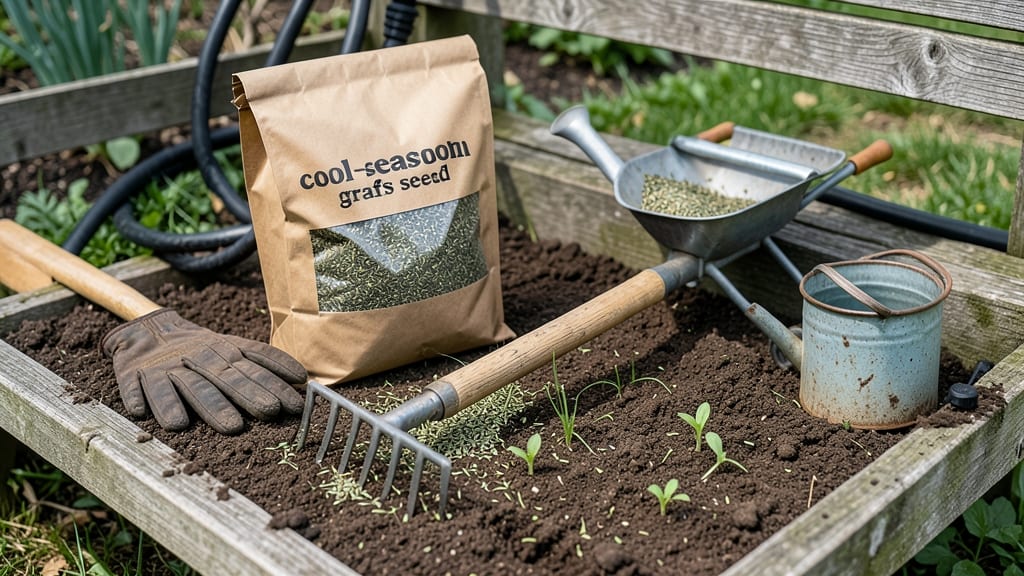
Fall is the perfect time to sow grass seed—cooler temperatures and fewer weeds mean stronger roots before winter. 🌱 I’ve seen lawns go from patchy to lush just by planting in September or early October, when the soil stays warm enough for germination but the air cools down.
The secret? Timing it right and giving those seeds the ideal conditions to thrive.
Start with a simple soil test to check your pH—most grasses prefer a neutral to slightly acidic range. Clear debris, loosen the top inch of soil, and spread a thin layer of compost for nutrients.
For cool-season grasses like fescue or rye, aim for a seed-to-soil ratio of about 12 pounds per 1,000 square feet, spread evenly with a broadcast spreader. Warm-season grasses? Skip fall entirely—they need spring or summer heat to germinate.
After sowing, keep the soil consistently moist (not soggy) for the first 3-4 weeks—that’s where most failures happen. A light layer of straw mulch helps retain moisture and protects seeds from birds.
By spring, you’ll have a denser lawn with fewer weeds, because fall planting gives grass a head start while weeds stay dormant. It’s the easiest way to transform a tired lawn into something vibrant.
Works best in USDA zones 3-7 for cool-season grasses, but even in warmer climates, late fall can still be a game-changer if you choose the right varieties. The key is acting before the first hard frost—so grab your seeds and get planting before the weather turns too cold!
📚 In This Guide
- What you need
- Instructions
- Tips and common mistakes
- Wrapping up and next steps
What you need
- ● Grass seed: Choose a high-quality, cool-season blend (e.g., tall fescue, Kentucky bluegrass, or perennial ryegrass). Aim for 4–8 lbs per 1,000 sq ft, depending on your lawn’s current condition.
- ● Lawn rake: A bow rake (for leveling) or garden rake (for loosening soil). Look for 18–24-inch-wide tines for efficiency.
- ● Broadcast spreader: A handheld or drop spreader ensures even seed distribution. Calibrate it for your seed type (most require 1/4–1/2 lb per 1,000 sq ft per setting).
- ○ Soil test kit (optional but recommended): Check pH and nutrient levels. Ideal pH for cool-season grass is 6.0–7.0.
- ● Compost or organic fertilizer: Use a starter fertilizer (high in phosphorus, like 10-20-10 ratio) or well-aged compost (¼–½ inch layer) to nourish seeds.
- ● Water source & hose with adjustable nozzle: A gentle rain setting or soaker hose prevents seed erosion.
- ○ Lightweight mulch (optional but helpful): Straw (¼ inch thick) retains moisture and shields seeds from birds.
- ● Seed tape: Pre-spaced seeds for precision planting (great for small areas or tricky spots).
- ● Soil aerator: Core aeration (3–4 inches deep) improves seed-to-soil contact for bare or compacted lawns.
- ● Lawn roller (lightweight): Presses seed into soil gently (avoid heavy rollers—they can bury seeds too deep!).
- ● Bird netting: Protects seeds from hungry feathered visitors if your yard is a buffet spot.
- ● pH adjuster: Lime (to raise pH) or sulfur (to lower pH) if your soil test reveals imbalances.
Step-by-Step instructions for sowing grass seed in fall
Fall's cooler temps and steady rains create perfect conditions for grass roots to establish before winter—here's how to do it right.
🌱 Step 1: Prepare the Soil for Ideal Seed Contact
Start by mowing your lawn as short as possible—about 1 inch high—to create an even surface for seed-to-soil contact. Remove all debris with a rake, paying special attention to thatch layers thicker than ½ inch, which can block seed from reaching the soil. A thatch layer this thick suffocates new seedlings before they sprout.
Use a garden rake to lightly scarify the soil surface, creating small grooves where seeds can nestle. This isn't about turning over the entire lawn—just breaking up the top ¼ inch of soil. Think of it like creating tiny cradles for each seed. The goal is to expose just enough bare soil for good seed-to-earth contact without disturbing deeper roots.
💧 Step 2: Spread Seed Evenly for Uniform Germination
Measure out your grass seed—typically 4-8 pounds per 1,000 square feet, depending on your grass type—and divide it into two equal portions. This two-step spreading method prevents clumping and ensures even coverage. Walk in one direction while spreading the first half, then walk perpendicular to spread the second half.
Use a broadcast spreader for large areas or a handheld spreader for small patches. Keep the spreader moving at a steady pace—don't linger in one spot. You'll know you've done it right when you can barely see bare soil between the seed. If you see patches of exposed ground, go over those areas again with a light hand.
☀️ Step 3: Lightly Rake and Water for Germination
After spreading, use a stiff-bristled rake to gently drag the seed into the soil surface—just enough to cover it lightly. You want the seed buried ¼ inch deep at most. Pressing the seed too firmly into the soil can prevent proper contact with moisture and air, which are critical for germination. Think of it like tucking the seed into a cozy blanket rather than burying it deep.
Water immediately after raking, using a fine mist setting on your sprinkler to avoid washing away the seed. Keep the soil consistently moist—like a wrung-out sponge—for the first 2-3 weeks. You'll know you're doing it right when the top inch of soil stays damp but never soggy. Overwatering now can lead to seed rot before germination even begins.
⏰ Step 4: Maintain Moisture and Monitor Growth
For the next 4-6 weeks, check your lawn daily during dry spells to ensure the soil stays moist. Fall's cooler temperatures mean you won't need to water as frequently as in summer, but consistent moisture is critical. Water in the early morning so the blades have time to dry before evening, reducing disease risk.
You'll see the first signs of germination in 7-14 days, when tiny green shoots begin to push through the soil. Once the new grass reaches about 2 inches tall, you can gradually reduce watering to encourage deeper root growth. Avoid walking on the new seedlings—they're delicate until they've established a stronger root system.
🌿 Step 5: Transition to Spring Care
As winter approaches, reduce watering to just keeping the soil from drying out completely. The cold will slow growth, but the roots will continue developing underground. In early spring, when you see new growth spurt, it's time to mow again—set your mower to 3 inches high to protect the new grass from heat stress and encourage deeper roots.
Fall-sown grass will typically establish itself fully by late spring, giving you a head start on summer weeds and a thicker, more resilient lawn. The key is patience—what you're really sowing now is next year's stronger lawn, not just this season's green.
Tips & tricks for perfect fall grass seed germination
Fall's cooler weather gives your lawn a head start—here's how to make the most of it without common pitfalls.
The Soil Prep Secret: Don't skip that ¼-inch scarification in Step 1—it's the difference between seeds making contact with soil and just sitting on top. I learned this the hard way after patchy germination from skipping this step. Use a garden rake to create just enough texture for seeds to nestle, but don't overdo it—you're not aerating, just creating tiny cradles. A thatch layer thicker than ½ inch is the real enemy here, blocking moisture and air that seeds need to sprout.
Seed Spreading Strategy: That two-step method in Step 2 isn't just about even coverage—it's about preventing clumps that can create bare spots later. Walk in opposite directions like you're painting a wall: first pass north-south, second pass east-west. For small patches, a handheld spreader works great, but for larger areas, a broadcast spreader saves time. Pro tip: if you see bare soil after spreading, go over those spots with half the amount of seed—don't double up, which creates thick patches that struggle to germinate evenly.
Watering Wisdom: The 2-3 week moist-but-not-soggy window in Step 3 is critical. I use the "wrung-out sponge" test—press your finger into the soil about an inch down. It should feel damp but not leave mud on your hand. Morning watering prevents fungal issues from overnight moisture, and a fine mist setting keeps seeds from washing away. Here's what nobody tells you—if you get sudden rain during this period, seeds can wash away, so check your work after heavy downpours.
Germination Timeline: Those 7-14 days to first sprouts might seem slow, but fall's cooler temps actually help prevent seed rot that can happen in summer heat. Watch for the first tiny shoots—once they reach 2 inches, you can start lightening up on watering to encourage deeper roots. I've seen people give up too soon because they didn't realize germination takes patience in fall. Mark your calendar when you sow so you remember to check daily during that critical first month.
Pro Tips for Sowing Grass Seed In Fall
- Fall's cooler weather gives your lawn a head start—here's how to make the most of it without common pitfalls.
- The Soil Prep Secret: Don't skip that ¼-inch scarification in Step 1—it's the difference between seeds making contact...
- Seed Spreading Strategy: That two-step method in Step 2 isn't just about even coverage—it's about preventing clumps t...
Frequently asked questions
Got questions about sowing grass seed in the fall? You’re not alone! Here are answers to the most common concerns—so you can tackle your lawn project with confidence.
What’s the best temperature range for fall grass seed germination?
For optimal germination, aim for soil temperatures between 60–75°F (15–24°C). In most regions, this happens in late summer to early fall (August–October). Cool nights and warm days create ideal conditions—just avoid planting when frost is forecasted within 2 weeks.
How long does it take for grass seed to grow in the fall?
Germination typically takes 7–21 days, depending on the grass type, moisture, and temperature. Cool-season grasses (like fescue or ryegrass) sprout faster in fall than warm-season varieties. Expect 50% growth in 2–3 weeks if conditions are right—patience pays off for a lush spring lawn!
Do I need to water grass seed differently in fall?
Yes! Water lightly but frequently—keep the top 1–2 inches of soil moist (like a damp sponge). Water twice daily (morning and evening) for the first 2 weeks, then taper to 1 inch per week once seedlings appear. Avoid heavy watering to prevent washing away seed.
Can I overseed an existing lawn in the fall?
Fall is perfect for overseeding because established grass provides shade and moisture for new seeds. Mow short (1–1.5 inches), rake to loosen soil, and spread seed evenly. For thin spots, use a slit seeder or core aerator to improve seed-to-soil contact.
What if squirrels or birds eat my grass seed?
Use seed with a polymer coating (like "furrow" or "pelletized" seed) to deter wildlife. Spread seed after rain or late in the day when birds are less active. For stubborn pests, try bird netting or a light layer of straw mulch (not too thick—just enough to hide seed).
What if my grass doesn’t grow by spring?
Don’t panic! Fall-sown seed may stay dormant until spring but will surge with warmer temps. If growth is slow, check for compaction, poor soil contact, or pests. Reapply seed in early spring if needed—but with proper fall prep, you’ll likely see 90%+ success by May!
Wrapping up and next steps
Fall is the perfect time to transform your lawn—cooler temps and gentle rains create ideal conditions for grass seed to thrive.
By following these steps, you’ll set the stage for a lush, vibrant lawn that outshines the neighborhood next spring. Don’t wait! Grab your seeds, roll up your sleeves, and give your lawn the head start it deserves.
Ready to take action? Start with a soil test (if you haven’t already) and mark your calendar for early fall planting—before the first frost. Your future self (and your lawn) will thank you! 🌱