
Propagation
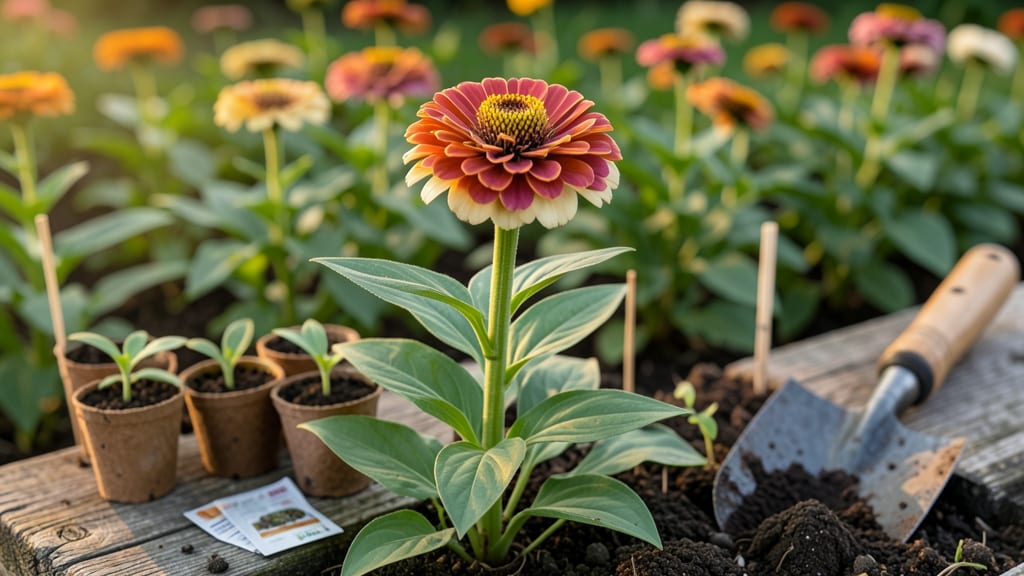
Growing zinnias from seed outdoors delivers vibrant blooms in just 60 days—no cold stratification needed. 🌻 I’ve watched these cheerful flowers transform a patch of soil into a nonstop summer show, and the secret is simpler than you’d think.
Zinnias thrive when you skip the fuss of indoor starts and plant directly where they’ll grow, saving time and money while getting stronger, hardier plants.
You’ll need a sunny spot with well-draining soil, zinnias seeds (the tiny, papery kind), and a basic watering routine. The key is patience—seeds germinate in 7-14 days if kept moist and warm, and once they sprout, they grow fast.
I’ve seen seedlings pop up like magic after a good rain, and within weeks, they’re ready to burst into color. The payoff? A garden packed with blooms that attract butterflies and last until frost.
Where most beginners trip up is overwatering or crowding the seedlings too soon. Zinnias hate soggy roots but love consistent moisture, and spacing them 12-18 inches apart gives them room to grow tall and sturdy.
Thin them early to avoid competition, and you’ll end up with bold, long-stemmed blooms perfect for cutting. The best part? You can keep sowing every 2-3 weeks to stretch the season from early summer to fall.
This method works for any zinnias variety—from dwarf types to towering 5-foot giants—and adapts to containers or garden beds. Whether you’re a first-time gardener or a seasoned pro, direct sowing zinnias is one of those foolproof techniques that always delivers. Let’s get those seeds in the ground!
📚 In This Guide
- What you need
- Instructions
- Tips and common mistakes
- Wrapping up and next steps
What you need
- ● Zinnia seeds: 1–2 packets (choose a variety like Benary’s Giant or Profusion for bold blooms).
- ● Well-draining potting mix: 1–2 cubic feet (or a 10-inch pot for seedlings). Opt for a seed-starting mix with perlite or vermiculite.
- ○ Containers: Seed trays or small pots (4–6 inches deep) for starting seeds indoors (optional but helpful for early starts).
- ● Garden beds or large containers (12+ inches deep) for transplanting seedlings outdoors.
- ● Watering can or spray bottle: With a fine mist setting for gentle watering.
- ● Garden trowel or transplanting tool: For digging small holes in soil.
- ○ Fertilizer (optional but recommended): Balanced liquid fertilizer (e.g., 10-10-10) or slow-release granules (5-10-5 ratio).
- ● Compost or worm castings (1–2 cups per planting area) for organic nourishment.
- ● Sunlight: A spot with 6+ hours of direct sunlight daily (zinnias thrive in full sun!).
- ● Warm soil: Wait until soil temps reach 55–60°F (13–16°C)—zinnias hate cold!
- ● Spacing: Plan for 12–18 inches between plants (they’ll spread!).
- ● Patience: Zinnias germinate in 7–14 days—stay consistent with care!
- ● 🌱 Skip cold stratification: Zinnias don’t need it—just plant seeds directly outdoors after the last frost!
- ● 💧 Keep soil moist (not soggy): Use your finger to check the top inch—water when dry.
- ● ✂️ Deadhead spent blooms: Snip faded flowers to encourage non-stop blooms all season.
Step-by-step instructions for growing zinnias from seed outdoors
Here's how I turn zinnias from tiny seeds into vibrant garden stars in just two months.
🌱 Step 1: Prepare the Soil and Plant Seeds Directly
Zinnias thrive in well-draining soil with plenty of sunlight—no need for cold stratification. Choose a location that gets 6-8 hours of direct sun daily. Work in a 2-inch layer of compost into the top 6 inches of soil to improve fertility and drainage. Zinnias hate soggy roots, so if your soil drains poorly, mix in sand or perlite.
Scatter seeds ¼ inch deep and 12-18 inches apart for single-stemmed varieties or 8-12 inches apart for bushier types. I like to plant in small clusters of 3-5 seeds to create fuller blooms later. Lightly cover with soil and pat gently—don't press too hard, or you'll bury the seeds too deep.
💧 Step 2: Water Gently and Maintain Consistent Moisture
Keep the soil evenly moist but never soggy until germination. Water lightly every 1-2 days until you see the first true leaves—usually 7-14 days. Use a spray bottle or gentle stream to avoid displacing seeds. Once sprouts appear, switch to watering at the base to prevent fungal diseases like damping-off.
Here's the thing—zinnias are drought-tolerant once established, but seedlings need steady moisture. You'll know you're doing it right when the soil feels damp 1 inch down but not wet. Overwatering now leads to weak stems that flop later.
☀️ Step 3: Thin Seedlings for Stronger Growth
When seedlings reach 2-3 inches tall and have 2-3 sets of true leaves, thin them to stand 12-18 inches apart for single-stemmed varieties or 8-12 inches apart for bush types. Use sharp scissors to cut unwanted seedlings at soil level—this prevents disturbing roots of nearby plants.
Thinning might seem cruel, but it's the best way to prevent competition. You'll see stronger stems and more abundant blooms later. If you're planting in clusters, leave the healthiest 3-5 seedlings per group. Avoid pulling seedlings by hand—it can uproot the ones you want to keep.
✂️ Step 4: Fertilize and Deadhead for Continuous Blooms
Once seedlings are 4-6 inches tall, apply a balanced 10-10-10 fertilizer at half strength. Zinnias are light feeders, so too much fertilizer leads to lush foliage but fewer flowers. I like to fertilize again when the first buds appear, then switch to a low-phosphorus 5-10-10 to encourage more blooms.
Deadheading—removing spent blooms—is key to keeping zinnias flowering all season. Pinch or cut back blooms just above the next set of leaves. You'll notice new buds forming within 1-2 weeks. This simple step extends the blooming period by 30-50%, giving you bold color from early summer until frost.
🌿 Step 5: Watch for Pests and Provide Support
Zinnias attract aphids and spider mites, but a strong spray of water usually knocks them off. I also interplant with marigolds to deter pests naturally. If stems get leggy, pinch back the tips to encourage bushier growth. For taller varieties like 'Benary's Giant,' install stakes or cages early to support heavy blooms.
Here’s where it gets fun—zinnias are self-cleaning, meaning they drop seeds easily. If you want more next year, let a few blooms go to seed. You'll see seed heads form in 4-6 weeks after flowering. Collect them in late fall for next season's garden.
Tips & tricks for perfect zinnia growth
Here's what nobody tells you about growing zinnias that'll make your garden pop from the first bloom.
Sunlight Strategy: While 6-8 hours of direct sun is ideal, zinnias can handle up to 10 hours in hot climates—but watch for stress signs like wilting or yellowing leaves. I've found that morning sun with afternoon shade in extreme heat (above 95°F) actually extends the blooming season by preventing premature wilting. The key is consistent light exposure without scorching.
Seedling Survival: The 7-14 day germination window can feel like forever, but here's the trick: place a clear plastic dome or even a cut-open plastic bottle over your seeded area to create a mini greenhouse effect. This maintains humidity and warmth, often bringing those first sprouts in just 5-7 days. Remove the cover once seedlings emerge to prevent fungal issues.
Thinning Technique: When it's time to thin those 2-3 inch seedlings, I use a pair of clean, sharp scissors to cut unwanted plants at soil level rather than pulling. This prevents disturbing the roots of your keepers and gives you a cleaner look. Pro tip: Mark your spacing with small sticks or pebbles before cutting to ensure even distribution.
Deadheading Timing: That 1-2 week window for new buds to form after deadheading is your secret weapon. I've found that doing this on a cloudy morning prevents stress on the plant from the shock of sudden cutting. Plus, the fresh cuts heal faster in cooler temperatures, giving you even more blooms throughout the season.
Pro Tips for Growing Zinnias From Seed Outdoors
- Here's what nobody tells you about growing zinnias that'll make your garden pop from the first bloom.
- Sunlight Strategy: While 6-8 hours of direct sun is ideal, zinnias can handle up to 10 hours in hot climates—but watch for stress signs like wilting or yellowing leaves.
- Seedling Survival: The 7-14 day germination window can feel like forever, but here's the trick: place a clear plastic dome or even a cut-open plastic bottle over your seeded area to create a mini greenhouse effect.
Frequently asked questions
about growing zinnias from seed outdoors—because even the boldest gardeners need a little guidance! Here are answers to the most common queries to help you cultivate stunning blooms with confidence.When is the best time to plant zinnia seeds outdoors?
Plant zinnia seeds directly outdoors after the last frost when soil temperatures reach at least 60°F (15°C). In most regions, this means late spring (April–May). Zinnias are heat-loving annuals and hate cold, so avoid planting too early—even a light frost can kill seedlings. Start seeds indoors 4–6 weeks before transplanting if your growing season is short.
How long does it take for zinnia seeds to germinate?
Zinnia seeds typically germinate in 7–14 days under ideal conditions (warm soil, consistent moisture, and sunlight). For faster sprouting, keep seeds moist but not soggy and place them in a sunny spot. If germination takes longer than 2 weeks, check for rotting seeds (too much water) or poor soil contact (press seeds lightly into soil). Patience pays off—once they pop, growth is rapid!
What pests or diseases should I watch for with zinnias?
Zinnias are generally low-maintenance, but keep an eye out for aphids, spider mites, and Japanese beetles, which love their leaves. For diseases, powdery mildew (white dust on leaves) and bacterial wilt (wilting stems) are common. Improve airflow, avoid overhead watering, and remove affected plants immediately. Neem oil or insecticidal soap can help deter pests naturally.
Can I grow zinnias from seed in containers or small spaces?
Zinnias thrive in containers as long as the pot is at least 6–12 inches deep and has drainage holes. Choose dwarf varieties like ‘Thumbelina’ or ‘Crystal’ for compact growth (12–18 inches tall). Use a high-quality potting mix, place containers in full sun, and water consistently. Just ensure your container stays warm—zinnias despise cold roots.
Why aren’t my zinnia seeds sprouting, even with the right conditions?
If seeds refuse to sprout, check these common culprits:
- Old seeds: Zinnia seeds lose viability after 1–2 years—test freshness by floating seeds in water (sinkers are viable).
- Depth issues: Plant seeds ¼ inch deep—too deep delays germination.
- Cold soil: Zinnias need warmth to germinate; use a seedling heat mat if needed.
- Poor soil: Amend soil with compost for better drainage and nutrients.
Wrapping up and next steps
Growing zinnias from seed outdoors is a rewarding and fast-paced adventure that delivers vibrant blooms in just two months—no fancy tricks required!
With the right timing, soil prep, and a little patience, you’ll enjoy a garden bursting with color, attracting pollinators, and brightening your space. Now’s the perfect time to start!
Ready to dive in? Grab your seeds, mark your calendar, and get planting—your future zinnia show awaits! 🌸 For even more tips, check out our guide on zinnia care to keep those blooms thriving all season.