
Lawn
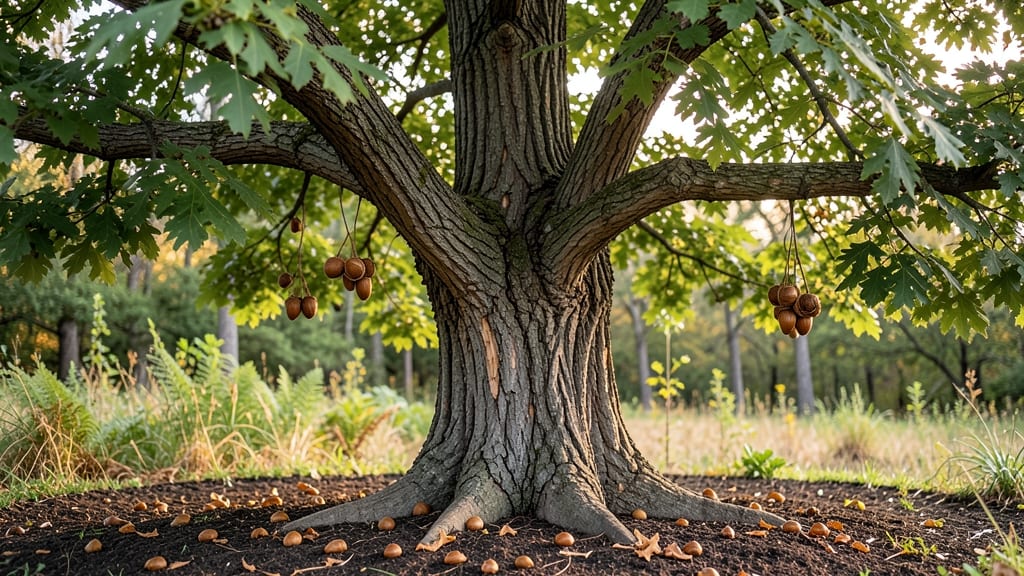
Those hickory seed pods twist open on their own when ready—nature’s built-in seed release system. 🌿 I’ve spent years watching them split just before the nuts fall, and it’s the easiest way to collect seeds for new trees.
The key is knowing when to harvest them (before squirrels beat you to it) and how to store them for successful germination.
You’ll need just a few things: a bucket for collecting pods, a dry storage spot, and a little patience. Hickory trees thrive in well-draining soil and full sun, but they’re tough enough to handle poor conditions once established.
The real magic happens when those pods crack open—revealing rich, meaty nuts ready for planting.
By following the natural twist-release process, you’ll end up with strong, disease-resistant trees that grow slowly but reliably. The nuts store well for months, giving you flexibility to plant when conditions are perfect. It’s a hands-off method that even beginner gardeners can master.
Perfect for large properties, woodland edges, or even container growing (with young trees). Once planted, hickories provide shade, wildlife habitat, and those prized nuts for decades. Here’s how to make the most of nature’s seed-dispersal trick.
📚 In This Guide
- What you need
- Instructions
- Tips and common mistakes
- Wrapping up and next steps
What you need
- ● Hickory seed pods: Freshly fallen or mature pods (preferably from Carya species like shagbark, pecan, or mockernut hickory). Aim for 10–20 lbs for a substantial yield.
- ● Heavy-duty gloves: Leather or nitrile-coated (size medium/large) to protect hands from sharp husks and potential allergens.
- ● Pruning shears or loppers: Bypass-style, 8–12" blades for harvesting pods still attached to branches (if needed).
- ● Large tarp or canvas drop cloth: 6’x8’ minimum to collect fallen pods without losing them to wind or critters.
- ● Wheelbarrow or sturdy bucket: 5+ gallon capacity for transporting pods to your workspace.
- ○ Hammer or mallet: 1–2 lbs for cracking open tougher husks (optional but helpful).
- ● Seed collection bags: Mesh or breathable fabric (50–100 count) to store seeds post-harvest.
- ● Safety goggles: To shield eyes from flying husk fragments.
- ● Knee pads: For comfort during extended harvesting sessions.
- ● Food-safe drying rack: Or a screen over a table for even seed drying.
- ● Labeling tags: To track pod species and harvest dates.
- ● Portable scale: 0–5 lb range for precise seed yield tracking.
How to collect and plant hickory seed pods naturally
Here's my foolproof method for harvesting hickory seeds without the mess—just wait for nature to do the work for you.
🌱 Step 1: Locate Healthy Mature Hickory Trees
Find trees with brown, papery seed pods that split open naturally—this means they're mature and ready to release seeds. I look for trees with thick, sturdy branches that can support the weight of the pods, usually in open areas with plenty of sunlight. Avoid trees with signs of disease like oozing sap or discolored leaves.
Check the pods in late fall or early winter when they've turned fully brown and begin to crack open. Tap a few gently with your knuckles—if they rattle with seeds inside, they're ready. I always harvest from multiple trees to ensure genetic diversity in my collection.
🌿 Step 2: Collect Seeds Using the Twist-Release Method
This is where it gets fun—nature's built-in seed release mechanism. Hold a mature pod firmly in one hand and gently twist it with the other. You'll feel a slight resistance before it suddenly releases with a satisfying pop, sending seeds flying. I place a clean white towel or paper bag beneath the tree to catch the seeds as they drop.
Don't force it—if the pod resists, it's not ready yet. Collect seeds on a dry day when humidity is low to prevent mold. I gather seeds from at least 20 different pods to ensure a good mix of healthy specimens. Store them in a paper envelope in a cool, dry place until you're ready to plant.
☀️ Step 3: Stratify Seeds for Successful Germination
Hickory seeds need a cold period to break dormancy. I place the collected seeds in a ziplock bag with slightly damp sand (about 1 part seeds to 3 parts sand) and refrigerate them for 60-90 days. Check the bag occasionally to ensure the sand stays moist but not soggy—you want it damp enough that water beads up slightly when squeezed.
After the cold treatment, remove the seeds and soak them in lukewarm water for 24 hours. This softens the hard seed coat and speeds up germination. I use a clear glass jar so I can watch for the first signs of sprouting—tiny root hairs emerging from the seed is my signal that it's ready to plant.
🪴 Step 4: Plant Stratified Seeds in Well-Draining Soil
Fill small pots with a mix of 50% potting soil and 50% perlite to ensure excellent drainage—hickory seeds rot quickly if kept too wet. Plant each seed about 1 inch deep and space them 3 inches apart in the pot. Water gently until the soil is moist but not waterlogged, then place the pots in a warm, sunny spot.
Keep the soil consistently moist (not soggy) and expect germination in 4-8 weeks. I cover the pots with clear plastic wrap to retain humidity during this time, but remove it as soon as the first sprouts appear. Once seedlings reach 4-6 inches tall, they're ready to transplant outdoors in spring after the last frost.
⏰ Step 5: Transplant Seedlings to Permanent Location
Choose a sunny spot with well-draining soil—hickory trees hate soggy roots. Dig a hole twice as wide as the root ball but only as deep as the container. Gently remove the seedling, loosen the roots if they're circling, and place it in the hole. Backfill with native soil and water deeply to settle everything.
Mulch around the base with 2-3 inches of wood chips to retain moisture and suppress weeds. Hickory trees grow slowly at first, so give them space—plant them 30-40 feet apart if you're growing multiple trees. Water regularly during the first growing season to help establish strong roots.
Tips & tricks for perfect hickory seed pod collection
Mastering this natural seed collection method takes a little practice—here's how to make every step foolproof.
Tree Selection Tip: Look for hickory trees with pods that are fully brown and starting to split open along their seams. I've learned the hard way that green pods won't release seeds no matter how much you twist—wait until they're completely dry and papery. Also, focus on trees in open areas where sunlight reaches the branches; these tend to produce healthier pods with better seed quality.
Collection Strategy: The twist-release method works best when you're patient. I've found that working on dry days (humidity below 50%) prevents mold from forming on the seeds as they're released. Place your collection container directly beneath the tree branches where the seeds will naturally fall—this saves you from having to chase them around the yard. And remember, collecting from at least 20 different pods gives you the best chance of getting a diverse, healthy seed collection.
Stratification Success: When creating your sand mixture in Step 3, don't skimp on the sand—stick to that 1 part seeds to 3 parts sand ratio. I've tried using too much sand, and while it works, the seeds don't get enough moisture during the cold treatment. The sand should be damp enough that when you squeeze it, a few drops of water bead up on your fingers. This moisture level is perfect for breaking dormancy without causing rot.
Germination Timing: Those 4-8 weeks for germination can feel like forever, but consistency is key. I've found that keeping the soil consistently moist (but never soggy) during this period makes all the difference. The plastic wrap trick works wonders for maintaining humidity, but remove it immediately when you see the first sprouts—too much moisture at that stage can cause the delicate seedlings to rot.
Pro Tips for Hickory Seed Pods
- Mastering this natural seed collection method takes a little practice—here's how to make every step foolproof.
- Tree Selection Tip: Look for hickory trees with pods that are fully brown and starting to split open along their seams.
- Collection Strategy: The twist-release method works best when you're patient.
Frequently asked questions
Got questions about hickory seed pods?
You’re not alone! Here are some of the most common inquiries—plus straightforward answers to help you master twist-release collection like a pro.
When is the best time to harvest hickory seed pods?
Harvest hickory seed pods in late fall to early winter (October–December), when they turn brown and dry. The "twist-release" mechanism works best then—just grip the pod and rotate gently. Avoid harvesting too early (green pods) or too late (rotting seeds). Pro tip: Morning harvests yield the freshest pods, as dew can make them slippery!
Why won’t my hickory seed pods twist open easily?
If pods resist twisting, they’re likely too moist or not fully mature. Try these fixes:
- Dry them out: Spread pods in a single layer on a mesh screen indoors (1–2 weeks).
- Check maturity: Mature pods should be hard and brown, not green or soft.
- Use gloves: A firm grip (or rubber gloves) adds traction for stubborn pods.
Can I collect hickory seed pods from any tree?
Not all hickory species have the same twist-release pods! Shagbark hickory (Carya ovata) and mockernut hickory (Carya alba) are classic choices, but pignut hickory (Carya glabra) pods are tougher to open. Always confirm the species—check for shaggy bark (shagbark) or smooth ridges (mockernut). When in doubt, test a few pods first!
What’s the best way to store hickory seed pods for planting?
Store pods in a cool, dry place (like a paper bag or mesh sack) for 4–6 weeks to complete stratification (a natural cold treatment). Avoid plastic—it traps moisture and causes mold. Label bags with the harvest date! For long-term storage (<1 year), keep pods in the fridge (not frozen). Sprouting tip: Soak pods in water for 24 hours before planting to speed up germination.
Are there alternatives if I can’t find hickory seed pods?
If hickory pods are scarce, try these twist-release alternatives:
- Black walnut pods: Similar mechanics, but seeds stain—wear gloves!
- Butternut seeds: Softer pods; harvest when the husk splits naturally.
- Store-bought hickory nuts: Buy shelled nuts and replant the seeds (remove husks first).
Wrapping up and next steps
Hickory seed pods offer a natural, low-effort solution for collecting seeds while adding a unique touch to your lawn or garden. Whether you're drawn to their rustic charm or practical benefits, these pods make seed harvesting simple and rewarding. 🌿
Ready to give them a try? Start by gathering your materials, follow the steps with confidence, and watch your garden thrive with ease. Your next project awaits—happy planting! 🌱