Propagation
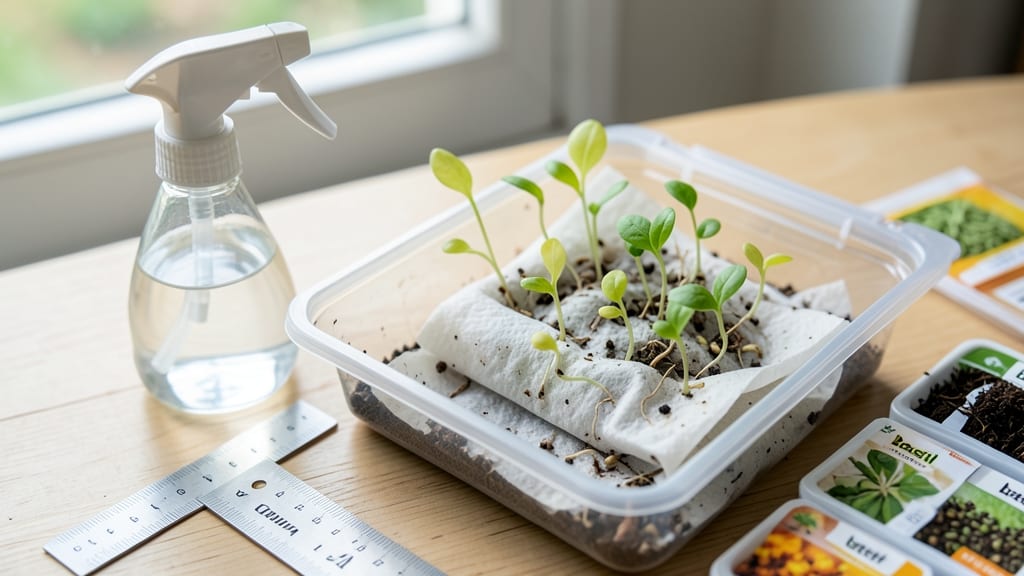
Fast germination starts with just a paper towel and a plastic bag. 🌱 I’ve sprouted seeds in 48 hours using this method—no soil, no fuss, just speed. The trick is keeping the towel damp while trapping warmth, which tricks seeds into thinking spring has arrived.
You’ll need paper towels, a zip-top bag, and a spray bottle—basically what’s already in your pantry. Lay the towel flat, mist it lightly, and arrange seeds in a single layer. The bag creates a humid greenhouse effect, and you’ll see tiny roots breaking through within days.
Once sprouts pop, transfer them to soil while they’re still small—this prevents leggy growth. I’ve started everything from tomatoes to peppers this way, and the results are always stronger, faster seedlings ready for transplanting. Perfect for small spaces, impatient gardeners, or anyone tired of waiting weeks for seeds to germinate.
Here’s how to do it right the first time!
📚 In This Guide
- What you need
- Instructions
- Tips and common mistakes
- Wrapping up and next steps
What you need
- ● Paper towels (unbleached, seedling-safe): 2–4 sheets (thicker towels work best to hold moisture).
- ● Seeds: Fresh, high-quality seeds (check packaging for germination rates). Pro tip: 💡 Start with fast-sprouting seeds like beans, peas, lettuce, or herbs for best results!
- ● Spray bottle (16–20 oz): With a fine mist setting to keep towels damp (not soggy!).
- ● Plastic bag or airtight container: A gallon-sized ziplock or clear plastic box with a lid (to trap humidity).
- ● Plate, tray, or shallow dish: To hold the paper towel setup (avoid metal—it can conduct cold).
- ● Permanent marker: For labeling seeds by type/date.
- ○ Heating mat (optional): Speeds up germination for slow starters (set to 70–75°F).
- ● Grow lights (LED or fluorescent): 12–16 hours/day once sprouts emerge (natural light works too!).
- ● Seedling pots or cups: Small biodegradable pots (2–3 inches) for transplanting sprouts.
- ● Hairpin or clothespin: To secure the plastic bag loosely (allows airflow).
- ● Humidity dome (mini greenhouse): For extra moisture control if your setup feels dry.
Step-by-Step instructions for paper towel seed starting
Here's my go-to method for speeding up germination without soil—just paper towels, patience, and a warm spot.
🌱 Step 1: Prepare Your Seeds and Paper Towels
Start by soaking your seeds in a small bowl of lukewarm water for 6-12 hours. This softens the seed coat and kickstarts germination. I like to use a clean, lint-free paper towel—no patterns or prints, just plain white. Cut it into 4 equal squares (about 8x8 inches) so you can work with each seed type separately.
Drain the soaked seeds gently, then place 2-3 seeds per square in a single row, spaced about 1 inch apart. Fold the paper towel over them like a sandwich, pressing lightly so the seeds stay in place. This keeps them snug and moist without drowning them.
💧 Step 2: Create a Moisture-Retaining Envelope
Place the folded paper towel square into a ziplock bag (quart size works perfectly). Spritz the inside of the bag with water until damp but not soaking—you want the towel to feel like a wrung-out sponge. Seal the bag, leaving just a tiny bit of air inside to prevent mold. I tap the bag gently to distribute moisture evenly before sealing.
Here's the thing—don't overwater. If condensation pools at the bottom, open the bag slightly for 30 minutes to let excess moisture escape. The goal is consistent dampness, not a swamp. Place the bag in a warm, dark spot (like on top of your fridge) where temperatures stay between 70-80°F.
☀️ Step 3: Monitor for Sprouts and Prepare for Transplant
Check your seeds daily. You'll see tiny white roots appear first—this is your signal to act fast. Once roots reach about ¼ inch long (usually 2-5 days depending on the seed), it's time to move them. I like to unfold the paper towel carefully, keeping the roots intact, and place each seed directly into its own biodegradable pot with seed-starting mix.
Gently press the soil around the roots but don't bury the seed too deep—just enough to hold it in place. Water lightly with a spray bottle to settle the soil. Place the pots under grow lights immediately since seedlings need strong light to prevent legginess. You'll notice the first true leaves (not the seed leaves) appear within 5-7 days after transplanting.
⏰ Step 4: Transition to Soil and Light
After 7-10 days in the pots, your seedlings will be ready for their next phase. This is when you'll see them really take off—watch for sturdy stems and deep green leaves. Keep the soil consistently moist but not soggy, and rotate the pots daily so they grow straight toward the light source.
Real talk: Some seeds germinate faster than others. If a seed hasn't sprouted after 10 days, it might not be viable—don't waste time waiting. But once you see those first sprouts, you'll be hooked on this fast, soil-free method. It's like cheating the system, but in the best way possible.
Tips & tricks for perfect paper towel seed starting
This no-soil method works wonders when you want to see sprouts in record time—here's how to avoid common pitfalls and get the best results.
Soaking Secret: The 6-12 hour soak is your foundation, but don't let seeds sit in water longer than that or they'll suffocate. I use a colander to drain them gently—just tap it upside down over the sink to remove excess water without damaging the seeds. For faster results with certain seeds like chives or parsley, I'll soak them for just 6 hours, while larger seeds like beans can handle the full 12 hours.
Temperature Matters: Keeping that 70-80°F range is crucial, but don't stress about exact numbers. If your kitchen runs cooler, place the bags on top of your fridge or near a sunny window (but not in direct light yet). I've even used a seedling heat mat set to low heat under the bags for stubborn seeds. The key is consistency—fluctuations slow germination.
Transplant Timing: Those ¼-inch roots in Step 3 are your cue to move fast! I keep a small tray of seed-starting mix ready so I can transplant immediately. The longer roots sit in the paper towel, the more they'll tangle—gently separate them if needed. For delicate seeds like lettuce, I'll pre-moisten the soil to make the transition easier. Remember, once you see roots, count backward from your last frost date to plan your outdoor planting.
Pro Tips for Paper Towel Seed Starting
- This no-soil method works wonders when you want to see sprouts in record time—here's how to avoid common pitfalls and...
- Soaking Secret: The 6-12 hour soak is your foundation, but don't let seeds sit in water longer than that or they'll s...
- Temperature Matters: Keeping that 70-80°F range is crucial, but don't stress about exact numbers. If your kitchen run...
Frequently asked questions
How long does it take for seeds to germinate in paper towels?
Germination time varies by seed type, but most vegetables (like beans, peas, or herbs) sprout in 3–7 days when kept warm and moist. Fast growers like radishes may appear in just 2–3 days, while slower seeds (e.g., tomatoes) can take up to 10–14 days. Check daily for sprouts!
Can I reuse paper towels for seed starting?
No—reuse isn’t recommended. Old towels may harbor mold, bacteria, or leftover seed coatings that inhibit new germination. Always use fresh, unbleached paper towels for each batch to avoid contamination and ensure success.
What if my seeds aren’t sprouting after a week?
Try these troubleshooting steps:
- Check moisture: Towels should stay damp (not soggy). Mist lightly if dry.
- Adjust warmth: Move to a warmer spot (70–85°F ideal). A seedling heat mat helps.
- Test viability: Soak 5–10 seeds in water overnight—if none swell, they may be old or dead.
- Try a new towel: Some seeds (like onions) need light to germinate; place them on a tray instead.
Are paper towels better than soil for all seeds?
Paper towels work best for fast-germinating, shallow-rooted seeds (e.g., herbs, lettuce, beans). For delicate or large seeds (like squash or sunflowers), soil is better to prevent root damage during transplanting. Test a few seeds first!
How soon can I transplant paper-towel sprouts to soil?
Transplant when sprouts have 1–3 true leaves and roots are 1–2 inches long (usually 7–14 days after germination). Harden off seedlings by placing them near a sunny window for 1–2 hours daily before moving to soil. Avoid shocking roots—keep them moist!
Wrapping up and next steps
Starting seeds in paper towels is a game-changer for gardeners—it’s fast, fuss-free, and perfect for impatient plant lovers! 🌱 You’ll enjoy quicker germination, less mess, and the joy of watching tiny roots and shoots emerge in just days.
Whether you’re a beginner or a seasoned pro, this method makes seed starting feel like a breeze.
Ready to level up your gardening? Grab your supplies, follow the steps, and soon you’ll be transplanting those sturdy seedlings into soil with confidence. Happy growing! 🌿