
Pruning
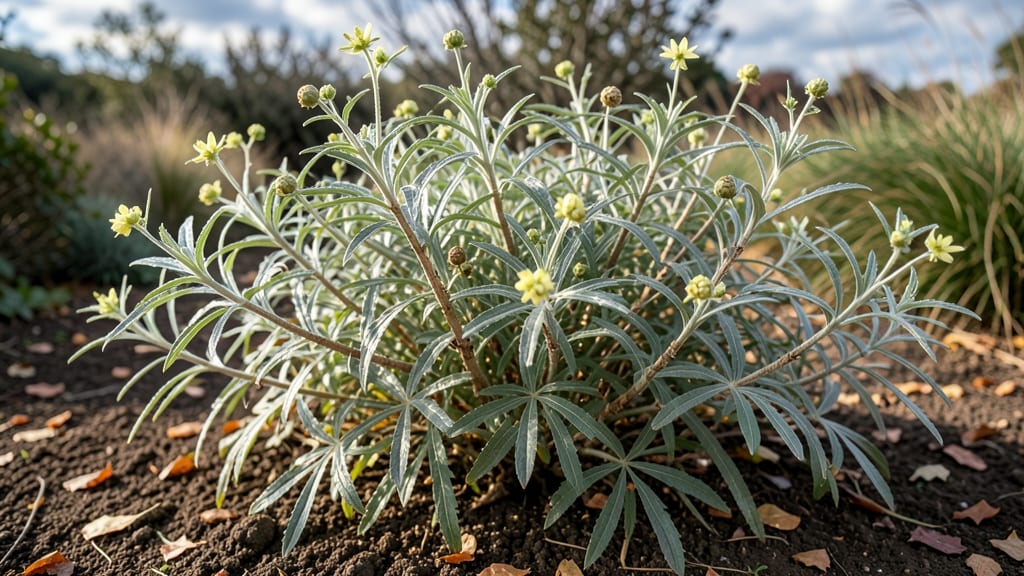
Growing a hopseed bush in Tucson means adding a tough, drought-smart plant that thrives where others fail. 🌵 This native-friendly shrub handles 110-degree heat and rocky soil like a champ—perfect for Southwest gardens that need low-maintenance beauty.
The secret to its success? Minimal water once established, full sun, and well-draining soil (even rocky Tucson ground works). Prune lightly after blooms to keep it compact, and watch those papery seed pods add texture to your landscape year-round.
You’ll end up with a 4-6 foot shrub that flowers in spring/summer, attracts pollinators, and stays green even during monsoon droughts. The best part? It’s nearly pest-proof and handles our alkaline soil without complaint. Local nurseries like Tucson Nursery Co. or Native Sons carry it—just ask for Dodonaea viscosa.
Here’s how to get started without overcomplicating it.
📚 In This Guide
- What you need
- Instructions
- Tips and common mistakes
- Wrapping up and next steps
What you need
- ● Pruning shears – Bypass pruners (sharp, clean, and 7-10 inches long) for clean cuts.
- ● Loppers – For thicker branches (1-2 inches in diameter)—look for long-handled, bypass-style for leverage.
- ● Gloves – Heavy-duty, oil-resistant (this bush has sticky sap! Leather or nitrile-coated recommended).
- ● Disinfectant – Rubbing alcohol (70%+) or hydrogen peroxide (3%) to sterilize tools between cuts.
- ○ Pruning sealant – Optional but helpful for larger cuts (1/4 inch or wider) to prevent disease.
- ● Trash bags or bucket – 10+ gallon capacity for debris (this bush sheds a lot!).
- ● Safety glasses – Protect your eyes from flying debris (especially if the bush is overgrown!).
- ● Ladder (if needed) – Sturdy, 6-8 ft tall with a non-slip base for taller bushes.
- ● Hose or water source – For post-pruning hydration (Tucson’s dry air means your bush will thank you!).
- ○ Notebook & pen – Optional but smart to sketch the bush’s shape before/after pruning.
- ● Best time to prune – Late winter or early spring (Feb–March in Tucson) for new growth.
- ● Weather check – Avoid pruning if rain is forecasted within 24 hours (wet cuts = fungal risks).
- ● Clear workspace – Remove rocks, tools, or obstacles within 3-4 feet of the bush.
How to plant and care for hopseed bush in Tucson’s climate
This drought-tolerant beauty thrives with minimal fuss—here’s how to grow it successfully in the Southwest.
🌱 Step 1: Choose the Right Location and Prepare the Soil
Hopseed bush (Dodonaea viscosa) loves full sun—at least 6-8 hours daily—so pick a spot with unobstructed western or southern exposure. In Tucson’s intense heat, afternoon shade helps prevent leaf scorch, especially during summer’s peak. Avoid low-lying areas where cold air pools, as this plant dislikes frost.
Amend the soil with 1-2 inches of compost to improve drainage, but don’t overdo it—hopseed bush prefers lean, well-draining soil. If your soil is heavy clay, mix in sand or gravel to prevent root rot. Test the pH: this plant tolerates 6.0-8.0, so no adjustments are usually needed in Tucson’s naturally alkaline soil.
🪴 Step 2: Plant at the Correct Depth and Spacing
Dig a hole twice as wide as the root ball but only as deep as the container. Hopseed bush has a deep taproot, so disturbing it too much stresses the plant. Gently remove the plant from its container and loosen any circling roots with your fingers. Place it in the hole so the top of the root ball sits level with the surrounding soil—burying too deep can suffocate the plant.
Space plants 8-10 feet apart for mature size, as they spread into shrub-like forms. If planting multiple bushes, arrange them in odd-numbered groupings (3, 5, or 7) for a natural, balanced look. Water deeply right after planting to settle the soil and eliminate air pockets around the roots.
☀️ Step 3: Water Sparingly and Adjust for Tucson’s Heat
Hopseed bush is drought-tolerant once established, but young plants need deep watering every 7-10 days during Tucson’s first year. Water at the base of the plant, avoiding the foliage to prevent fungal diseases. Let the top 2-3 inches of soil dry out completely between waterings—this encourages deep root growth, which is critical for survival in the Southwest’s erratic rains.
During summer, reduce watering to every 2-3 weeks unless temperatures exceed 100°F, when you may need to water monthly. Overwatering is the fastest way to kill this plant—yellowing leaves or wilting despite moist soil are signs you’re watering too much.
✂️ Step 4: Prune for Shape and Encourage Blooms
Prune hopseed bush once a year in late winter or early spring, just as new growth begins. Remove dead, damaged, or crossing branches first, cutting back to the nearest outward-facing bud. Then, shape the plant by trimming 1/3 of the oldest stems to encourage fresh, vibrant growth. This plant blooms on new wood, so regular pruning keeps it bushy and flowering.
Avoid heavy pruning in summer—it stresses the plant during peak heat. If you notice leggy growth, prune lightly in June or July to promote compactness, but stop by August to allow the plant to harden off before winter. Wear gloves when pruning, as the leaves can irritate sensitive skin.
🌿 Step 5: Fertilize Lightly and Watch for Pests
Hopseed bush doesn’t need much fertilizer—too much encourages weak growth and fewer blooms. In early spring, apply a balanced, slow-release fertilizer (10-10-10) at half the recommended rate spread over the root zone. Water deeply after applying to help nutrients penetrate the soil. Skip fertilizer in the second year if the plant looks healthy.
Pests are rarely an issue, but watch for aphids or scale insects on new growth. If you spot them, blast off with a strong stream of water or use neem oil as a preventative spray in early spring. Hopseed bush is generally pest-resistant, so don’t over-treat—this plant thrives on neglect.
Tips & tricks for perfect hopseed bush planting in Tucson
A few key insights will help you avoid common pitfalls and get your drought-resistant shrubs thriving in the desert climate.
Sunlight Strategy: The 6-8 hours of direct sunlight requirement is non-negotiable, but Tucson’s intense afternoon sun can be tricky. Position your hopseed bush slightly east of true south to avoid the harshest western exposure. If you notice leaf edges turning crispy during summer, provide temporary shade with a sheer fabric screen—this prevents permanent damage while still allowing light penetration.
Root Care Secret: When planting, focus on the root ball's depth more than width. The instructions mention digging a hole twice as wide as the root ball, but I've found that in Tucson's dry soil, you can actually go slightly wider (up to 2.5 times) to encourage better moisture absorption during those critical first 7-10 days. Just don't disturb the taproot—this plant's survival depends on it.
Watering Wisdom: The 100°F temperature threshold for adjusting watering is your best friend. I've learned to set phone reminders when temps hit 95°F to start monitoring more closely. At this point, I increase watering to every 10-14 days rather than waiting for the 2-3 week summer schedule. The key is checking soil moisture 2-3 inches down—if it's bone dry, it's time to water.
Pruning Precision: The late winter/early spring timing for pruning is perfect for Tucson's climate, but I've found that adding a light shaping trim in October can prevent winter dieback. Just stick to removing only the very tips of leggy branches—this stimulates bushier growth without stressing the plant before our mild winters. Always use clean, sharp shears to prevent disease transmission through open wounds.
Pro Tips for Hopseed Bush Tucson
- A few key insights will help you avoid common pitfalls and get your drought-resistant shrubs thriving in the desert c...
- Sunlight Strategy: The 6-8 hours of direct sunlight requirement is non-negotiable, but Tucson’s intense afternoon sun...
- Root Care Secret: When planting, focus on the root ball's depth more than width. The instructions mention digging a h...
Frequently asked questions
Got questions about growing hopseed bush (Dodonaea viscosa) in Tucson’s unique climate? You’re not alone! Here are some of the most common queries—and answers—to help you cultivate this drought-resistant beauty with confidence.
Is hopseed bush really drought-tolerant in Tucson’s heat?
This native-friendly plant thrives in Tucson’s Zone 9a-10a with minimal water once established. Once rooted, it can survive on rainfall alone during monsoon season. Mulch with gravel or bark to retain moisture and reduce evaporation.
How long does it take for hopseed bush to bloom in Tucson?
With ideal conditions (full sun, well-draining soil), you can expect first blooms within 1–2 years. In Tucson’s warm climate, it may even flower year-round, though peak blooms often occur in spring and fall. Patience pays off—healthy plants reward you with vibrant yellow or orange flowers!
When and how should I prune my hopseed bush?
Prune in late winter or early spring (February–March) to shape the plant and encourage bushier growth. Use clean, sharp shears to trim dead or overgrown branches back to a joint. Avoid heavy pruning in summer—it can stress the plant during Tucson’s intense heat.
What are some alternatives if hopseed bush doesn’t thrive in my yard?
If your soil is too heavy or your site gets full shade, consider these Tucson-friendly alternatives:
- Desert willow (Chilopsis linearis) – Drought-tolerant with stunning trumpet-shaped flowers.
- Texas ranger (Leucophyllum frutescens) – Blooms spectacularly after rain.
- Ocotillo (Fouquieria splendens) – Dramatic, spiky, and ultra-low-water.
Are hopseed bush seeds or berries toxic to pets or wildlife?
While hopseed bush isn’t highly toxic, its berries and seeds can cause mild stomach upset if ingested in large quantities by pets or birds. Keep an eye on curious pups and consider placing plants where they’re less accessible. For heavy chewers, opt for pet-safe alternatives like Russian sage (Perovskia atriplicifolia).
Wrapping up and next steps
The hopseed bush is a standout choice for Tucson’s arid climate, offering stunning blooms and low-maintenance resilience—perfect for transforming your desert garden into a vibrant oasis. 🌵✨ With the right pruning techniques, you’ll not only encourage healthier growth but also create a space that thrives year-round.
Ready to give your garden a low-water, high-impact upgrade?
Your next step? Grab your pruners and schedule a pruning session—whether it’s shaping for aesthetics or rejuvenating for new growth. Watch your hopseed bush flourish and become the talk of the neighborhood! 🌸💚