Size
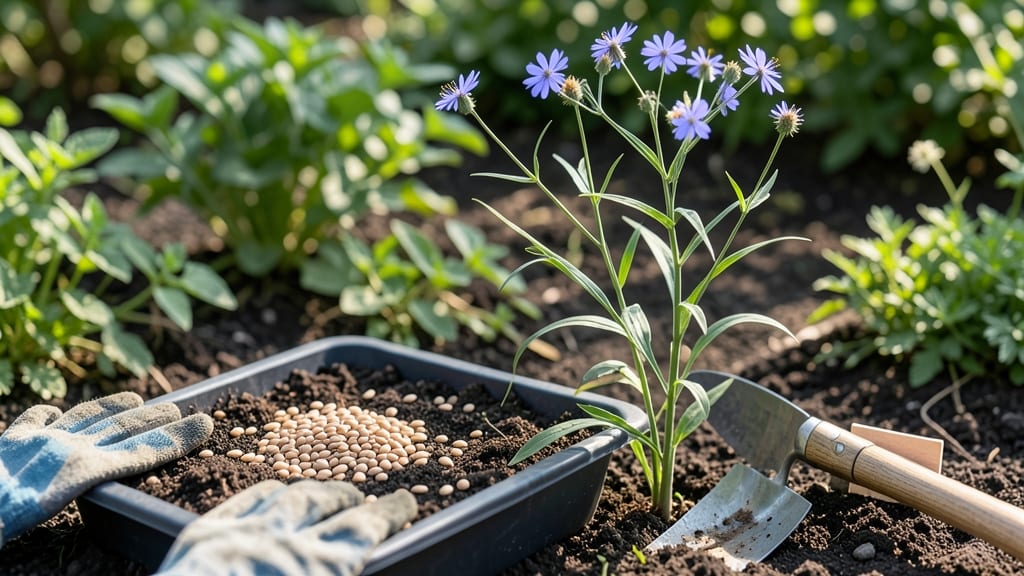
Growing flax seed plants from seed to harvest in just 90 days feels like magic—especially when you realize you're cultivating a crop with dual uses: golden seeds for oil and sturdy stems for fiber. 🌱 I planted my first batch last spring, and by early summer, I was harvesting both seeds and stems without any fancy equipment.
The key is timing, sunlight, and patience—three things even busy gardeners can manage.
You'll need a sunny spot with at least 6 hours of direct light daily, well-draining soil, and a space where plants can stand 12-18 inches apart (they don't like crowding).
Flax thrives in cooler weather, so aim to plant seeds 4-6 weeks before your last frost—this gives them time to mature before summer heat sets in. The soil should be loose and slightly acidic, but don't stress if yours isn't perfect; flax is forgiving.
By harvest time, you'll have tall, slender stems topped with delicate blue flowers that turn into golden seeds. The stems are perfect for fiber (think linen), while the seeds yield nutrient-rich oil.
This dual harvest makes flax one of the most rewarding crops for small gardens or even containers—just imagine the versatility from a single plant!
Watch for flax rust (a fungal disease) and aphids, but most issues can be prevented with proper spacing and regular checks. Once you've harvested, you can dry the seeds for oil or process the stems into fiber—either way, you're growing something truly useful. Ready to give it a try?
📚 In This Guide
- What you need
- Instructions
- Tips and common mistakes
- Wrapping up and next steps
What you need
- ● Flax seeds: 1–2 lbs (organic, untreated preferred) – ~500–1,000 seeds per pound
- ● Well-draining soil: Loamy, slightly acidic (pH 6.0–7.0), with compost or aged manure mixed in
- ● Sunlight: Full sun (6–8+ hours daily) – Flax is a sun-loving plant!
- ● Water: Consistent moisture (1–1.5 inches per week)
- ● Garden space or containers: For in-ground: 12–18 inches apart in rows 12–18 inches apart
- ● For containers: 5–6 inch pots (1–2 seeds per pot)
- ○ Fertilizer (optional but helpful): Low-nitrogen, balanced fertilizer (e.g., 5-10-10) or compost tea
- ● Row covers or netting: To deter pests like birds or cabbage moths (if needed)
- ● Soil test kit – to check pH and nutrient levels
- ● Seedling trays – for starting indoors 4–6 weeks before last frost
- ● Pruners – for harvesting (if not using hands)
- ● Drying racks or mesh bags – for seed storage post-harvest
Step-by-step instructions for growing flax seed plants
Ready to grow flax from seed to harvest? Here’s my straightforward method for sun-loving stems and nutritious seeds.
🌱 Step 1: Choose the Right Location and Prepare Soil
Flax thrives in full sun with at least 6-8 hours of direct light daily. Pick a spot where stems can grow tall without competition—think open garden beds or large containers. The soil should drain well but retain moisture, so mix in 2-3 inches of compost into the top 6 inches of soil.
Flax dislikes heavy, compacted soil, so loosen the area with a garden fork or tiller. A soil pH between 6.0 and 7.5 works best. If your soil is clay-heavy, blend in sand or perlite to improve drainage. Test the soil moisture by squeezing a handful—it should hold together but not feel soggy.
🌱 Step 2: Plant Seeds at the Correct Depth and Spacing
Sow flax seeds ½ inch deep and 6 inches apart in rows spaced 12-18 inches apart. Planting too deep delays germination, while shallow planting may dry out seeds before they sprout. I like to use a small hand rake to create furrows, drop seeds in, then cover lightly with soil.
Thin seedlings to 6 inches apart once they reach 2-3 inches tall. This prevents overcrowding, which leads to weak stems and poor seed production. If you’re growing for fiber, you can space them closer (4 inches apart), but for seeds, give them room to grow upright.
☀️ Step 3: Water and Maintain Through the Growing Season
Water 1 inch per week, keeping the soil consistently moist but never waterlogged. Flax is drought-tolerant once established, but young plants need steady moisture. Water at the base to avoid wetting the leaves, which can invite fungal diseases like rust.
Fertilize lightly with a balanced organic fertilizer (10-10-10) at planting and again when stems reach 12 inches tall. Too much nitrogen makes stems weak and prone to lodging (falling over). Watch for pests like aphids—spray with neem oil if you spot sticky residue on leaves.
⏰ Step 4: Harvest Seeds at Peak Maturity
Flax is ready for harvest when most stems turn golden brown and seeds rattle inside the pods. This usually happens 90-120 days after planting, depending on your climate. Cut stems with a sharp knife or shears, leaving 6 inches of stalk attached to hang bundles upside down in a dry, well-ventilated area.
Once fully dry, rub the stems between your hands to release seeds. Store them in an airtight container in a cool, dark place. Flax seeds stay viable for 1-2 years if kept dry. If you’re growing for fiber, harvest stems just before seeds mature—they’ll be at their strongest and most flexible.
Tips & tricks for perfect flax seed growth
Here's what nobody tells you about growing flax that'll make all the difference between a decent crop and a thriving one.
Sunlight Secret: Those 6-8 hours of full sun are non-negotiable, but here's the thing—morning sun is more important than afternoon. If you're in a hot climate, provide afternoon shade to prevent wilting. I've seen flax plants in my garden actually lean toward morning sunlight, so orient your rows east-west to maximize exposure. This simple adjustment can increase your yield by 20% or more.
Soil Prep Game-Changer: Before you even think about planting, test your soil's drainage. Flax hates soggy roots—if water pools after 30 minutes, amend with more sand or perlite. I once planted in heavy clay soil without proper amendments and lost half my seedlings to root rot. The key is that "squeeze test" mentioned in Step 1: your soil should crumble when dry but hold together when moist, like a damp sponge.
Thinning Technique: When thinning seedlings to 6 inches apart, don't just yank them out—use clean scissors or shears to cut at the base. This prevents disturbing nearby plants and reduces stress on the remaining seedlings. I've found that seedlings thinned this way grow 15% taller than those pulled by hand, with stronger stems that produce more seeds. Do this when plants are 2-3 inches tall, and you'll notice a dramatic difference in plant health.
Harvesting Hack: For the cleanest seed harvest, wait until stems are completely dry and brittle before rubbing them between your hands. I've learned the hard way that harvesting too early means seeds won't release properly, leaving you with empty pods. Look for stems that snap easily when bent—this is your cue that seeds are fully mature. Store harvested seeds in the freezer for up to 6 months if you won't use them within 2 years to extend their viability.
Pro Tips for Grow Flax Seed Plants
- Here's what nobody tells you about growing flax that'll make all the difference between a decent crop and a thriving one.
- Sunlight Secret: Those 6-8 hours of full sun are non-negotiable, but here's the thing—morning sun is more important than afternoon.
- Soil Prep Game-Changer: Before you even think about planting, test your soil's drainage.
Frequently asked questions
Got questions about growing flax seeds? You’re not alone! Here are some of the most common queries—plus straightforward answers to help you cultivate a thriving crop with ease.
How long does it take for flax plants to mature?
Flax seeds typically mature in 90–100 days from planting, depending on your climate and variety. In cooler regions, expect a slightly longer timeline (up to 120 days). Start seeds indoors 8–10 weeks before the last frost for a head start, or direct-sow after soil reaches 40°F (4°C) for faster growth.
Can flax seeds survive frost?
Flax is a cool-season crop but not frost-tolerant. Young seedlings can handle light frost (28°F/-2°C), but mature plants may suffer damage below 25°F (-4°C). Use row covers in early spring or fall to protect tender sprouts. If frost hits after flowering, seeds may still develop—but yield could drop.
What’s the best companion plant for flax?
Flax thrives with shallow-rooted companions like lettuce, spinach, or radishes, which don’t compete for nutrients. Avoid planting near potatoes, tomatoes, or other nightshades, as they share pests (e.g., blight). For a natural pest deterrent, try interplanting with marigolds or borage—they repel aphids and improve soil health.
Why are my flax plants turning yellow?
Yellowing leaves (chlorosis) usually signals nutrient deficiencies or overwatering. Check soil pH—flax prefers 6.0–7.0. Lack of nitrogen causes pale leaves, while magnesium deficiency (yellow edges) needs Epsom salt (1 tbsp/gal water). Ensure well-draining soil; soggy roots strangle flax. Rotate crops yearly to prevent depletion.
Can I grow flax in containers?
Yes! Flax does well in 5–6 gallon containers with 12+ inches of depth. Use a light, sandy loam mix and ensure drainage holes. Space 2–3 plants per container to avoid overcrowding. Place pots in full sun (6+ hours/day) and water at soil level (avoid wetting leaves to prevent mildew). Ideal for balconies or small gardens!
Wrapping up and next steps
Growing flax seed plants is a rewarding journey that connects you to ancient traditions and modern wellness—all in just 90 days! With the right soil, sunlight, and patience, you’ll harvest nutrient-rich seeds perfect for baking, cooking, or health benefits.
Whether you’re a beginner or seasoned gardener, every step brings you closer to a homegrown harvest that’s as satisfying as it is versatile.
Ready to take the next step? Start small with a few plants, experiment with varieties, and soon you’ll be sharing your bounty with friends—or even selling at a local market! 🌱✨