
Lawn
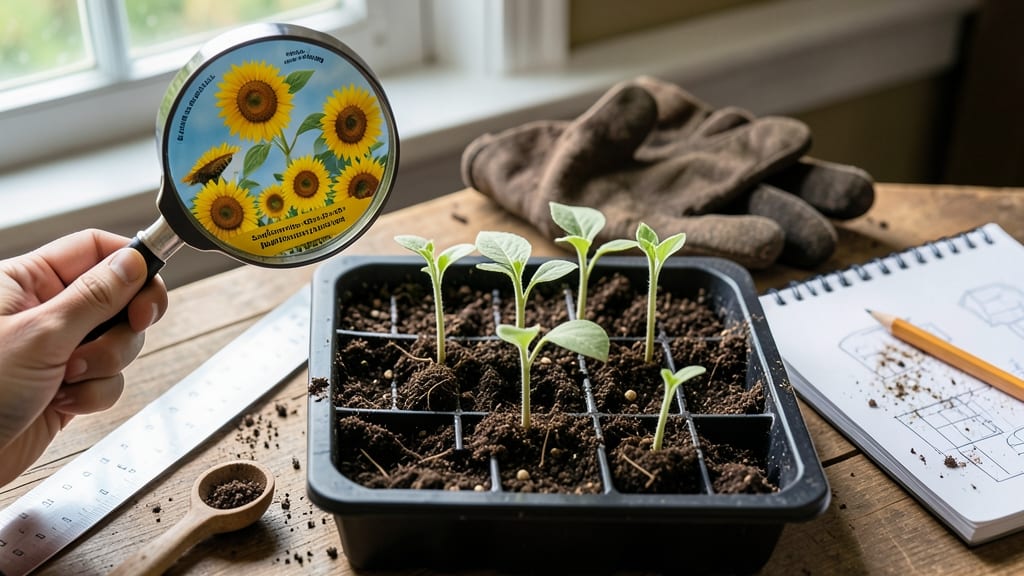
How to read a seed packet reveals the secret to perfect lawns in tiny print—don’t let those codes intimidate you. 🌱 I’ve cracked them all, from germination timelines to spacing tricks that mean the difference between a lush carpet of grass and patchy disappointment. That tiny packet holds everything you need to know before you even dig your first trench.
Start with the sunlight requirements—most lawn seeds need 6+ hours of direct sun daily, but some tolerate shade. Then check planting depth: most grass seeds should go ¼-inch deep, but fine seeds like fescue need barely a sprinkle.
Spacing matters too—overcrowding leads to weak growth, while too much room lets weeds move in. These details aren’t just suggestions; they’re your roadmap to success.
Germination time is the real game-changer. Some seeds sprout in 5-7 days, while others take 2-3 weeks. Planting too early or too late throws off the whole schedule.
If you’re in doubt, mark your calendar: most cool-season grasses go in early fall, while warm-season types wait for late spring. The packet’s planting window isn’t optional—it’s your deadline.
Here’s the pro tip: sketch a quick diagram of your lawn zones before planting. Note where sunlight hits differently, where old grass is thin, and where you’ll need extra seed. That way, you’ll avoid the classic mistake of planting thick in sunny spots and sparse in shade—leading to uneven growth.
With these codes decoded, you’ll grow grass that looks like it came from a pro’s lawn.
📚 In This Guide
- What you need
- Instructions
- Tips and common mistakes
- Wrapping up and next steps
What you need
- ● Seed packet – The star of the show! Ensure it’s unopened and clearly labeled.
- ○ Magnifying glass (optional but helpful) – For peering at tiny print on older or small packets.
- ● Notebook or digital notes app – To jot down key details like planting depth, spacing, and sunlight needs.
- ● Pencil or pen – For marking dates, moisture levels, or custom notes on the packet itself.
- ● Ruler or measuring tape – To translate inches or centimeters into real-life spacing for your lawn.
- ● Calendar or planting guide (seasonal) – Aligns with the packet’s recommended planting times (e.g., "Spring" or "Fall").
- ● Garden markers or labels – If you’re planting multiple varieties, these keep things organized.
- ● Soil test kit – Some packets suggest pH or soil conditions (e.g., "well-draining soil").
- ● Seedling heat mat (for indoor starts) – Helpful if the packet advises germinating indoors.
- ● Spray bottle with water – For misting seeds during germination if the packet recommends high humidity.
How to read a seed packet: decode planting codes for perfect lawn growth
Here's how to turn those tiny labels into a foolproof planting strategy—no guesswork required.
📜 Step 1: Understand the Basics of Seed Packet Labels
Seed packets contain a treasure trove of information, starting with the plant name and variety. This tells you exactly what you're growing—whether it's 'Kentucky Bluegrass' or 'Tall Fescue'. Look for the brand name too; reputable seed companies provide more reliable germination rates and growing conditions.
Next, check the days to germination—this is the time it takes for seeds to sprout under ideal conditions. For cool-season grasses, this is typically 7-21 days depending on the variety. If your seeds aren't sprouting within this window, they may need more warmth or moisture. The days to maturity is another critical number—this tells you how long until the grass reaches full growth, usually 30-60 days for most lawn grasses.
🌡️ Step 2: Decode Planting Zones and Conditions
Every seed packet lists a USDA Plant Hardiness Zone—this is your first clue about where and when to plant. For lawn grasses, you'll often see zones like 3-9 or 4-8, indicating the range where the grass thrives. If you're in Zone 5, for example, you'll want to stick with grasses labeled for Zones 3-8. This ensures your grass will survive your local winters and summers.
Pay attention to the planting depth—most lawn grasses need to be sown ¼ to ½ inch deep. Too shallow, and they dry out; too deep, and they struggle to push through the soil. The packet will also specify spacing between seeds or rows, usually 10-12 inches apart for most grasses. This ensures even coverage and prevents overcrowding.
💧 Step 3: Interpret Light, Water, and Soil Requirements
The packet will clearly state whether the grass needs full sun, partial shade, or full shade. Most lawn grasses thrive in full sun (6+ hours daily), but some varieties like 'Fine Fescue' tolerate partial shade. If your yard has shady spots, choose a shade-tolerant variety to avoid patchy growth.
Watering instructions are often vague, but look for terms like "keep soil moist" or "water deeply 2-3 times weekly." Most lawn grasses need 1-1.5 inches of water per week, either from rain or irrigation. The packet may also mention soil type preferences, such as "sandy, loamy, or clay soil." Amending your soil to match these preferences ensures better germination and root development.
⚠️ Step 4: Avoid Common Pitfalls with Additional Codes
Watch for special instructions like "cover lightly" or "do not bury seeds." Some grasses, like wheatgrass, need barely any soil coverage, while others, like ryegrass, can handle a slightly deeper planting. The packet might also warn against direct seeding in hot weather—some grasses germinate best in cooler temperatures (60-75°F).
If the packet mentions "treat seeds with fungicide before planting," follow this step carefully. Fungal diseases like damping-off can wipe out seedlings overnight, especially in humid climates. Finally, check for organic or non-GMO labels if these matter to you—some seed packets highlight these traits for eco-conscious gardeners.
📝 Step 5: Plan for Long-Term Success with Additional Notes
Some packets include maintenance tips, like "mow at 3-4 inches for drought resistance" or "fertilize in early spring." These notes help you prepare for the grass's long-term care. If the packet mentions "self-seeding" or "aggressive spreader," you'll know whether to expect volunteer plants popping up elsewhere in your yard.
Finally, take note of the seed count—this tells you how much area the packet covers. A typical 5-pound bag of lawn seed covers about 1,000 square feet, but smaller packets (like 1 ounce) might only cover 50-100 square feet. Buying enough seed for your entire lawn at once ensures even coverage and avoids patchy spots.
Tips & tricks for perfect lawn growth from seed packets
Mastering seed packets unlocks the secret to lush, healthy lawns—here's how to decode them like a pro.
Germination Timing: The 7-21 day germination window is your first clue about ideal conditions. Place packets near a sunny window to monitor progress—most seeds need consistent moisture and warmth (around 75°F) to sprout reliably. If germination takes longer, check soil moisture and consider using a seedling heat mat for cooler climates. Remember, this window assumes ideal conditions, so adjust expectations for your local weather patterns.
Zone Matching: That USDA Plant Hardiness Zone range isn't just a suggestion—it's your planting guide. For example, if you're in Zone 6, choose grasses labeled for Zones 4-8. The broader the range, the more adaptable the variety. Pro tip: Check your local extension service's microclimate data—some areas have hotter summers or colder winters than their official zone rating suggests.
Soil Preparation: The packet's soil type preferences (sandy, loamy, clay) are non-negotiable for success. For example, Kentucky Bluegrass thrives in loamy soil but struggles in heavy clay. If your soil doesn't match, amend it with 2-3 inches of compost before planting. This small step prevents common issues like poor germination or weak growth that many gardeners overlook.
Watering Strategy: The vague "keep soil moist" instruction actually translates to 1-1.5 inches of water per week—that's about 10 gallons per 100 square feet. Use a rain gauge or tuna can to measure accurately. Water deeply 2-3 times weekly rather than daily light sprinkles, which encourages deep root development. Early morning watering prevents fungal issues and ensures even moisture distribution.
Pro Tips for Read A Seed Packet
- Mastering seed packets unlocks the secret to lush, healthy lawns—here's how to decode them like a pro.
- Germination Timing: The 7-21 day germination window is your first clue about ideal conditions.
- Zone Matching: That USDA Plant Hardiness Zone range isn't just a suggestion—it's your planting guide.
Frequently asked questions
Got questions about reading seed packets?
You’re not alone! Here are answers to the most common ones to help you plant with confidence.
What do the numbers on a seed packet mean?
The first number (e.g., _100_) is seeds per ounce, while the second (e.g., 1,000) is feet per pound. For lawn seed, focus on the coverage rate (e.g., 10 lbs per 1,000 sq ft) to know how much to buy. Pro tip: Always check the packet for your specific grass type!
Can I plant seeds outside the recommended time?
Timing matters! Planting too early or late can lead to poor germination or pest damage. For cool-season grasses (like fescue), stick to early fall or spring. Warm-season grasses (like Bermuda) thrive in late spring to early summer. If you miss the window, wait for ideal conditions—don’t rush!
What if my soil isn’t ideal for the seeds?
Seed packets often list soil pH preferences (e.g., 6.0–7.0). If yours doesn’t match, amend it with lime (to raise pH) or sulfur (to lower it). For sandy soil, mix in compost; for clay, add organic matter. Quick fix: A soil test kit (from garden centers) takes the guesswork out!
How much water do seeds need after planting?
Keep soil consistently moist (not soggy) until germination. Most lawn seeds need ¼–½ inch of water daily for 2–3 weeks. Use a sprinkler or gentle hose to avoid washing seeds away. Morning watering is best—it reduces evaporation and fungal risks.
What if my seeds don’t sprout?
First, check depth—some seeds need light (like lettuce), while others (like grass) need ¼-inch coverage. If soil is too cold or dry, wait or adjust conditions. If seeds are old (over a year), they may have lost viability. Try a fresh packet or test germination by soaking a few seeds in water—if they swell, they’re still good!
Wrapping up and next steps
Mastering how to read a seed packet is your first step toward a thriving lawn! 🌱 By decoding those tiny details—like planting depth, spacing, and sunlight needs—you’re setting yourself up for success. Now that you’re armed with this knowledge, grab those seeds and get planting with confidence!
Ready to take the next step? Sketch a simple planting layout based on your lawn’s size and sunlight exposure, then gather your tools. Your dream green space is just a packet away—go grow it! 🌿