
Lawn
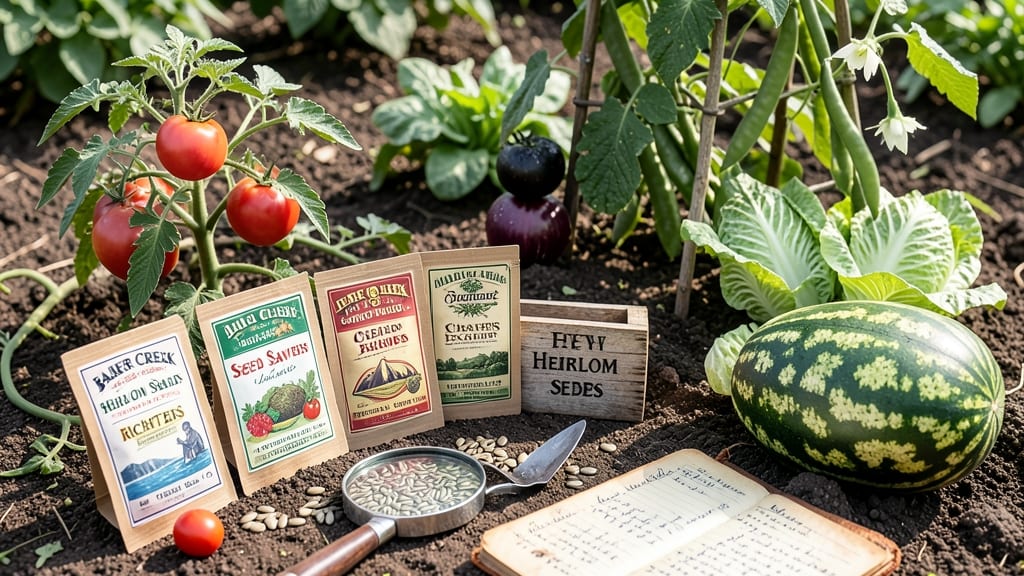
Finding the best heirloom vegetable seed companies that actually grow true to type and taste amazing can feel like hunting for treasure. 🌱 I’ve saved seeds from my garden for years, but some varieties are just too rare to track down locally—until I discovered these trusted seed companies that specialize in heirloom genetics, organic practices, and the kind of flavors you won’t find in grocery stores.
The best companies—like Baker Creek Heirloom Seeds, Seed Savers Exchange, and Territorial Seed Co.—offer thousands of varieties that thrive in different climates, from heat-loving okra to cold-hardy kales.
They focus on open-pollinated seeds so you can save your own harvest year after year, and their catalogs are packed with stories about each variety’s history and growing quirks.
What you’ll get isn’t just seeds—it’s the chance to grow vegetables that taste like they did decades ago, with vibrant colors, unique shapes, and flavors that modern hybrids can’t match. Imagine a tomato so sweet it makes your neighbors jealous or a pepper so spicy it earns a second look.
These companies make it possible to bring that kind of garden magic to life.
Whether you’re a seasoned seed saver or just starting out, their catalogs are your gateway to rare heirlooms that grow better than ever in your own backyard. Here’s how to pick the perfect varieties for your climate and taste buds—and why these companies are the go-to for serious gardeners.
📚 In This Guide
- What you need
- Instructions
- Tips and common mistakes
- Wrapping up and next steps
What you need
- ● Seeds: Purchase from trusted heirloom vegetable seed companies—aim for 50–100 seeds per variety (enough for small plots or experiments). Popular picks: Tomato ‘Brandywine,’ Carrot ‘Purple Haze,’ or Pepper ‘Ariane.’
- ● Seed Starting Supplies: Biodegradable seedling pots (50–100 count) or recycled containers (yogurt cups, egg cartons).
- ● Seed starting mix (sterile, peat-free, and organic—1–2 cubic feet per batch).
- ● Grow lights or a sunny windowsill (south-facing preferred).
- ● Garden Beds or Containers: Raised beds (4’x8’ minimum) or large containers (12”+ depth).
- ● Compost or organic soil amendment (2–3 cubic yards for a standard bed).
- ● Watering Tools: Watering can with a fine rose (for seedlings) or a gentle hose attachment.
- ○ pH testing kit (optional but helpful for soil health).
- ● Shade cloth (for hot climates or tender seedlings).
- ● Row covers (to protect from pests or frost).
- ● Labeling tags (to track heirloom varieties—trust us, you’ll forget!).
- ● Journal or app (to log planting dates, growth stages, and yields).
How to select the best heirloom vegetable seed companies
Finding the right source for rare, non-GMO seeds makes all the difference in your garden's success.
🌱 Step 1: Identify Your Priorities Among Seed Traits
First, clarify what matters most to you—organic certification, seed saving potential, or regional adaptability. Organic seed companies like Baker Creek Heirloom Seeds and Seed Savers Exchange offer non-hybrid, untreated varieties that thrive without synthetic inputs. If you're growing for seed saving, look for companies that provide detailed growing guides and emphasize open-pollinated lines.
Note the climate zones each company serves. Some specialize in short-season varieties for northern gardens, while others focus on heat-tolerant heirlooms for southern regions. Check their catalogs for maturity dates and hardiness zones—this ensures you won't waste seeds on varieties that won't thrive where you live.
🌿 Step 2: Research Company Reputation and Seed Quality
Start with well-established names like Seed Savers Exchange or High Mowing Seeds, which have decades of experience and rigorous quality control. Look for reviews mentioning germination rates, seed purity, and customer service responsiveness. A company's willingness to offer seed-saving certificates or free seed packets with orders signals their commitment to heirloom integrity.
I always cross-reference with gardening forums like GardenWeb or Reddit's r/Gardening to see if others report consistent germination or unexpected traits. If a company refuses to disclose seed sources or growing conditions, that's a red flag—transparency builds trust in heirloom genetics.
✂️ Step 3: Compare Pricing and Packaging Options
Prices vary wildly—some companies charge $3.50 per packet for rare tomatoes, while others offer bulk discounts for 25+ seeds. Calculate your budget per variety, but don’t assume cheaper always means inferior. Smaller companies often provide higher-quality packaging that preserves seed viability longer.
Watch for seed-saving bundles or free seeds with orders over $50. These perks add up quickly if you're building a diverse collection. I’ve found that companies with subscription programs (like Territorial Seed Company) let you sample varieties before committing to full packets.
💧 Step 4: Verify Organic and Non-GMO Certifications
For truly organic growing, seek out USDA Organic or OMRI-listed seeds from companies like High Mowing Seeds or Fedco Seeds. These certifications guarantee seeds were grown without synthetic pesticides or GMOs. Double-check that their soil amendments and handling processes meet organic standards—some companies use compost teas or mycorrhizal inoculants that enhance heirloom performance.
If you're growing for seed saving, confirm the company provides isolation distance guidelines for cross-pollinated crops like tomatoes or squash. Poor isolation leads to unpredictable traits in saved seeds, and reputable companies will warn you about this upfront.
☀️ Step 5: Test with Small Orders Before Committing
Order just one packet of a few varieties from each company you're considering. This lets you compare germination rates, flavor profiles, and ease of growing before investing in larger quantities. Pay attention to how quickly seeds sprout—if germination drops below 80%, that’s a sign of poor storage or viability.
Take notes on which companies provide the most detailed growing guides. Some offer PDFs with planting charts, while others include hard copies with illustrations. The best companies also share troubleshooting tips for common heirloom challenges, like blossom end rot in tomatoes or powdery mildew in cucumbers.
Tips & tricks for choosing the best heirloom seed suppliers
These insider strategies will help you navigate the world of heirloom seeds with confidence and precision.
Prioritize Climate-Specific Varieties: Always cross-reference a company's recommended hardiness zones with your local USDA zone. For example, if you're in Zone 5, avoid heat-loving varieties like 'Cherokee Purple' tomatoes unless the company explicitly states they've tested performance in cooler climates. I once ordered a heat-loving pepper variety for my Zone 6 garden and ended up with stunted plants—don't make my mistake! The maturity dates listed are your best guide for short-season gardens.
Look Beyond Basic Certifications: While USDA Organic is important, dig deeper into a company's testing protocols. Ask whether they conduct germination tests on every batch or if they rely solely on visual inspection. Companies like High Mowing Seeds go the extra mile by providing lab-tested germination rates on their websites—this level of transparency separates the good from the great. I've noticed that companies with detailed growing guides also tend to have higher-quality seeds.
Leverage Community Knowledge: Before committing to bulk orders, join gardening forums like GardenWeb or r/Gardening and search for threads mentioning specific seed companies. Look for patterns in reviews—consistent complaints about slow shipping or poor germination should be red flags. I've found that companies with active community engagement (like Baker Creek Heirloom Seeds) often provide better customer service when issues arise. Pay special attention to reviews from gardeners in your region.
Test Seed Viability Before Bulk Purchases: When testing new companies, order just one packet of each variety and conduct a simple germination test. Plant 10 seeds in a small pot with moist potting mix, cover with plastic wrap, and check for sprouts after 7-10 days. If fewer than 80% sprout, that's a sign of poor storage or viability. This small investment prevents costly mistakes with larger orders. I've saved hundreds of dollars by catching low-quality seeds before they reached my garden.
Pro Tips for Heirloom Vegetable Seed Companies
- These insider strategies will help you navigate the world of heirloom seeds with confidence and precision.
- Prioritize Climate-Specific Varieties: Always cross-reference a company's recommended hardiness zones with your local...
- Look Beyond Basic Certifications: While USDA Organic is important, dig deeper into a company's testing protocols. Ask...
Frequently asked questions
Got questions about heirloom vegetable seeds?
You’re not alone! Here are answers to the most common ones to help you get started with confidence.
What makes heirloom seeds different from hybrid or GMO seeds?
Heirloom seeds are open-pollinated, meaning you can save and replant them year after year. Unlike hybrids (which may not produce true-to-type offspring) or GMOs (genetically modified), heirlooms retain their unique traits, flavors, and histories—often passed down for generations!
When is the best time to order heirloom seeds?
Order seeds 6–8 weeks before your last frost date for direct-sown varieties (like tomatoes or beans) or 4–6 weeks before for transplants (e.g., peppers or lettuce). Many companies offer early-bird discounts, so plan ahead! Pro tip: Check your USDA Plant Hardiness Zone for precise timing.
Are heirloom seeds more expensive than conventional seeds?
Yes, they often cost $3–$5 per packet (vs. $1–$2 for hybrids), but the payoff is flavor, biodiversity, and sustainability. Look for sales, bulk discounts, or seed swaps to save money. Some companies also offer seed libraries or seed subscriptions for affordable access.
Can I save seeds from heirloom vegetables to replant next year?
Heirloom seeds are non-GMO and open-pollinated, so you can harvest, dry, and store them for future seasons. Just ensure proper seed-saving techniques (like isolating plants to avoid cross-pollination) for the best results. It’s a rewarding way to preserve rare varieties!
What if my heirloom seeds don’t germinate?
Try these fixes:
- Check freshness: Older seeds (over 2 years) may need a paper towel germination test.
- Adjust moisture/heat: Some seeds (like peppers) need warmth; others (like lettuce) prefer cooler temps.
- Soak or scarify: Hard-coated seeds (e.g., tomatoes) may need a nick with sandpaper or warm water soak.
Wrapping up and next steps
Choosing the right heirloom vegetable seed companies is your first step toward cultivating a garden brimming with rare, flavorful, and sustainable produce. These trusted sources not only preserve biodiversity but also empower you to grow organic, heirloom varieties that connect you to generations of gardeners.
Whether you're a seasoned gardener or just starting, your garden can become a living legacy—one seed at a time! 🌱
Ready to dive in? Start small: pick 2-3 heirloom varieties that excite you, order your seeds, and let the magic of growing unfold. Happy planting! 🌿