
Size
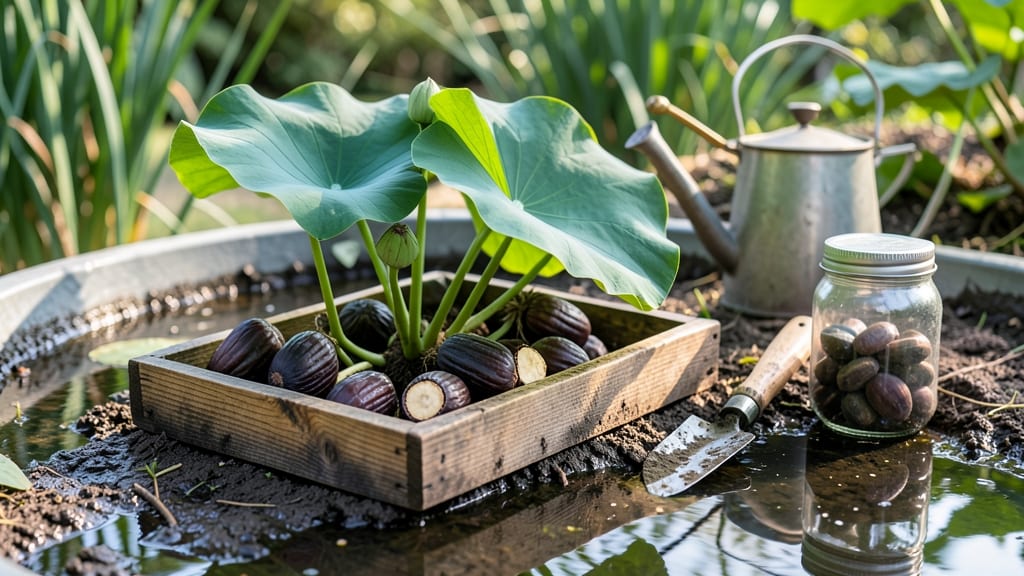
Growing lotus seeds in your garden delivers those iconic blooms you’ve always admired—without the years of waiting most gardeners face. 🌸 Cold-stratification tricks the seeds into breaking dormancy, so you’ll see sprouts in 60 days instead of months.
I’ve grown both aquatic and terrestrial lotus this way, and the secret lies in mimicking nature’s timing with a little patience and the right soil mix.
The first step is soil prep: mix equal parts sand, peat moss, and garden soil to create a loose, well-draining medium—terrestrial lotus needs this to avoid rot, while aquatic varieties can float in shallow water once established.
Plant seeds 1 inch deep in early spring, then refrigerate them for 4-6 weeks to simulate winter. This cold shock is what triggers germination, and it’s the difference between success and frustration.
Once sprouted, keep them in bright, indirect light for the first few weeks, then gradually move them to full sun. Water consistently—never soggy, but never dry—and watch as those first deep green leaves unfurl.
By mid-summer, you’ll be rewarded with buds that open into 6-inch blooms that last for days. The key is consistency: lotus seeds are stubborn, but they repay persistence with drama.
Common challenges? Slugs love young shoots, so use copper barriers or diatomaceous earth early on. And if your climate gets too hot, provide afternoon shade until roots establish. With this method, you’ll skip the years of trial-and-error and go straight to showstopping blooms—just like the pros do.
📚 In This Guide
- What you need
- Instructions
- Tips and common mistakes
- Wrapping up and next steps
What you need
- ● Lotus seeds: 10–20 organic, non-GMO seeds (check for plump, firm seeds—avoid shriveled ones!)
- ● Cold-stratification setup: 1 small paper towel or dampened coffee filter
- ● 1 resealable plastic bag (quart-sized)
- ● 1–2 ice cube trays or a shallow container
- ● Growing containers: 2–3 small pots (4–6 inches deep) with drainage holes
- ● OR a seed-starting tray with individual cells
- ● Potting mix: 2–3 cups of well-draining seed-starting mix (avoid garden soil—it’s too dense!)
- ● Watering can or spray bottle (gentle moisture is key!)
- ● Grow lights or sunny windowsill: 6+ hours of bright, indirect light daily
- ● Humidity dome or clear plastic wrap (to retain moisture during germination)
- ● Fertilizer: 1 tsp of balanced liquid fertilizer (5-5-5 or 10-10-10) diluted to half-strength
- ● pH tester or strips (ideal pH: 6.0–7.5)
- ● Label markers (to track seed varieties if experimenting!)
- ● Peat moss or perlite (to improve drainage in potting mix)
Step-by-Step guide to growing lotus from seed
Here’s how to coax those delicate lotus blooms from stubborn seeds—no frustrating failures in sight.
🌱 Step 1: Prepare Seeds Through Cold Stratification
Lotus seeds need 60 days of cold treatment to break dormancy. Place them in a sealed container with moistened peat moss (or a damp paper towel) and refrigerate at 34-40°F. Check weekly—they’ll soften slightly but won’t sprout yet. This mimics winter’s natural process, ensuring germination when you plant.
Don’t skip this step. Without stratification, seeds may take months—or never—break through. I’ve tried planting unstratified lotus seeds, and they either rot or stay dormant for years. Patience here pays off with vibrant blooms.
💧 Step 2: Plant Stratified Seeds in Water
After 60 days, remove the seeds and plant them 1 inch deep in a container filled with 4-6 inches of water (no soil!). Use a wide, shallow tray—lotus roots need space to spread. Place in bright, indirect light (direct sun can overheat the water). You’ll see tiny sprouts in 1-3 weeks—this is your signal to keep water levels consistent.
Change the water every 3-4 days to prevent algae or stagnation. If the water turns cloudy or smells, flush it immediately. Healthy seedlings will develop round, floating leaves before roots anchor them to the container’s base.
☀️ Step 3: Transition to Soil and Sun
Once seedlings show 3-4 true leaves (not just the initial sprout), they’re ready for soil. Fill a large container or pond with 6 inches of nutrient-rich soil (or a mix of garden soil and compost). Plant seeds 1 inch deep, spacing them 12 inches apart—lotus plants spread aggressively.
Move the container to a sunny spot with 6+ hours of direct light daily. Lotus thrives in warm water (70-80°F)—if your climate dips below 50°F, cover the container with floating row covers or move it indoors near a bright window. You’ll notice new leaves unfurling in 4-6 weeks as roots establish.
⏰ Step 4: Maintain Water Levels and Fertilize
Keep the water 2-3 inches deep at all times—lotus roots need constant moisture. Top off with dechlorinated water (let tap water sit 24 hours) to avoid chemical stress. Fertilize monthly with a balanced aquatic plant fertilizer (like 10-10-10) diluted to half-strength. Over-fertilizing burns tender roots.
Watch for yellowing leaves—this usually means too much sun or nutrient buildup. If leaves wilt in heat, provide partial shade until they recover. With consistent care, you’ll see buds forming in 3-4 months, followed by those iconic blooms.
🌿 Step 5: Overwinter and Encourage Regrowth
In cold climates, lotus goes dormant. Drain excess water and move the container to a cool, dark place (like a garage) where temps stay 40-50°F. Reduce water to 1 inch deep and check monthly—roots should stay moist but not soggy. In spring, resume sunlight and watering, and you’ll see new shoots in 2-3 weeks.
Here’s the thing—lotus is a long-term investment. First-year blooms may be modest, but each season strengthens the plant. I’ve grown mine for 3 years before seeing full-size blooms, but the wait is worth it for that first dramatic opening.
Tips & tricks for growing lotus blooms from seed
Growing lotus from seed requires patience and precision—but these tricks will help you avoid common pitfalls and maximize your success.
Cold Stratification Precision: The 60-day cold treatment at 34-40°F is non-negotiable, but here's the secret: use a small container with ventilation holes to prevent mold. I place mine on a wire rack in the fridge crisper drawer—this allows airflow while maintaining humidity. Check weekly by gently pressing a seed; it should feel slightly softer but still firm. If you notice any slimy texture, that's a sign of mold—remove those seeds immediately and replace the peat moss.
Water Quality Matters: When transitioning to water culture in Step 2, use only dechlorinated water—tap water left to sit for 24 hours works, but for faster results, I use a water conditioner designed for aquariums. The 4-6 inches of water depth is critical; too shallow and roots won't establish properly, too deep and you risk stagnation. I mark my container with a permanent marker at the 4-inch level to maintain consistency.
Light Transition Strategy: The shift from bright indirect light to full sun in Step 3 can shock seedlings if done too quickly. I gradually increase sunlight exposure over 7-10 days by moving the container progressively closer to a south-facing window. Watch for leaves that look slightly cupped—they're signaling they need more light. If you notice leaves curling inward tightly, they're getting too much direct sun too soon.
Fertilizer Timing: The monthly fertilization schedule is perfect, but here's what I've learned: always fertilize in the morning when plants are actively absorbing nutrients. Use a liquid fertilizer and apply it directly to the water—never to the soil surface. I've found that lotus roots absorb nutrients most efficiently when the water temperature is between 70-75°F. If your climate dips below 60°F, wait until temperatures stabilize before fertilizing to prevent root stress.
Pro Tips for Lotus Seed Grow A Garden
- Growing lotus from seed requires patience and precision—but these tricks will help you avoid common pitfalls and maximize your success.
- Cold Stratification Precision: The 60-day cold treatment at 34-40°F is non-negotiable, but here's the secret: use a small container with ventilation holes to prevent mold.
- Water Quality Matters: When transitioning to water culture in Step 2, use only dechlorinated water—tap water left to sit for 24 hours works, but for faster results, I use a water conditioner designed for aquariums.
Frequently asked questions
Got questions about growing lotus seeds in your garden?
You’re not alone! Here are answers to the most common queries—from timing to troubleshooting—so you can cultivate stunning blooms with confidence.
How long does it take for lotus seeds to sprout after planting?
With cold stratification, most lotus seeds sprout in 4–8 weeks after planting. If using pre-stratified seeds, germination can happen in as little as 2–3 weeks in warm, moist soil (70–80°F). Patience is key—some seeds may take longer, especially in cooler climates.
Do I really need to cold-stratify lotus seeds? Can’t I just plant them directly?
While some hardy varieties might sprout without stratification, cold treatment breaks seed dormancy for faster, more reliable germination. Skip it, and you risk seeds rotting or taking months (or never) to sprout. For best results, stratify for 6–8 weeks in a damp paper towel in the fridge.
What’s the best soil mix for lotus seeds, and can I grow them in containers?
Lotus seeds thrive in loamy, well-draining soil with a neutral pH (6.0–7.5). Mix equal parts garden soil, sand, and compost for ideal conditions. For containers, use a 12"+ pot with drainage holes—just ensure it’s deep enough for roots (they can grow aggressively!). Avoid soggy soil!
Why aren’t my lotus seeds sprouting? Troubleshooting tips!
Too cold?
Lotus seeds need consistent warmth (60–80°F) to germinate. Use a heat mat if your soil is chilly.
Too wet?
Overwatering causes rot. Keep soil moist but not soggy—think "damp sponge," not swamp.
Old seeds?
Store-bought seeds lose viability after 2–3 years. Test a few in warm water—if they sink, they’re likely viable.
Pests?
Slugs and snails love young sprouts. Use organic barriers or diatomaceous earth if you spot damage.
Can I grow lotus seeds indoors, and when will they bloom?
Yes! Start seeds indoors in spring (after stratification) under grow lights. Once sprouted, transplant outdoors after the last frost. Blooms typically arrive 60–90 days post-sprouting—but some heirloom varieties (like Nelumbo nucifera) may take 2–3 years for their first showstopping flowers.
Wrapping up and next steps
Growing lotus seeds in your garden is a rewarding journey that blends patience with beauty—no twists or struggles required! 🌸 With the right materials, cold stratification, and a little care, you’ll enjoy vibrant blooms in just 60 days.
Whether you’re a seasoned gardener or a curious beginner, this method proves that stunning results are always within reach.
Ready to dive in? Start by gathering your supplies, then follow the steps with confidence. Your garden’s next masterpiece is just a seed away—plant, nurture, and watch nature unfold! 🌱