
Propagation
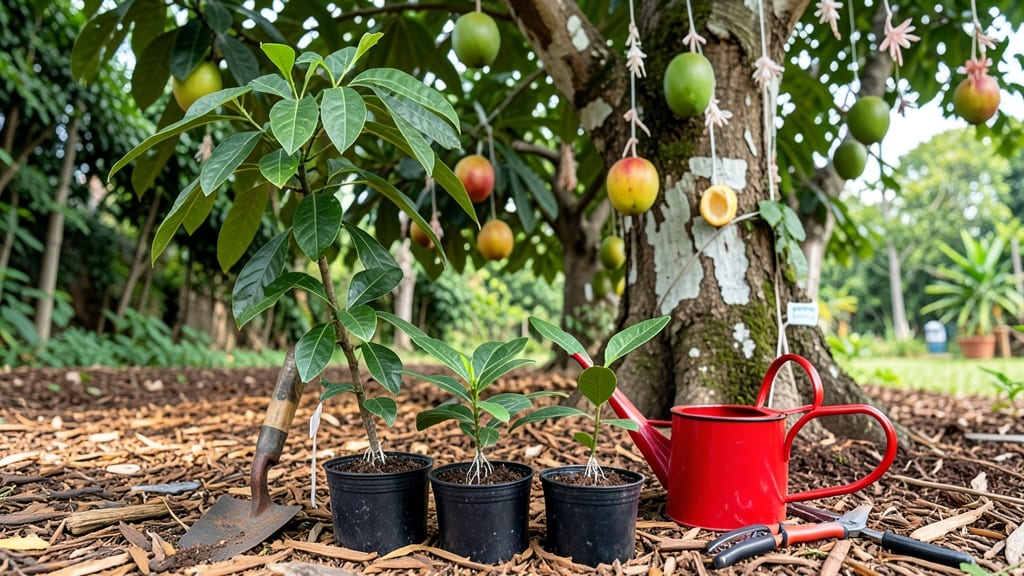
Growing a mango tree from seed to fruit is the ultimate tropical adventure—imagine plucking your own sweet, juicy mangoes in just 5-7 years. 🌱 I've watched my first seedling grow from a toothpick-sized sprout to a tree with actual fruit, and the process is far more rewarding than buying nursery plants.
The key is patience, the right conditions, and knowing exactly when to push for flowering.
You'll need a warm climate (zones 10-11), a sunny spot with 6+ hours of light daily, and a few simple supplies: a large container or garden bed, well-draining soil mix, and a steady watering routine.
The first year is all about root establishment—think of it like building a foundation for a house. My tree's first leaves were tiny and delicate, but within months, it was growing 6 inches per month with proper care.
By year 3, you'll see the real magic: tiny white flowers that smell like honey, followed by tiny green mangoes that grow into full-sized fruit.
The first harvest might be small, but each year after that, your tree will reward you with dozens of ripe mangoes—if you follow the pruning and pollination tips I'll share. The smell of a ripe mango on the tree is something you'll never forget.
This works for both container growers and in-ground gardeners—just adjust the pot size as your tree grows. Whether you're in Florida, California, or a warm microclimate elsewhere, the same principles apply. Here's exactly how to turn that seed into a fruiting tree step by step.
📚 In This Guide
- What you need
- Instructions
- Tips and common mistakes
- Wrapping up and next steps
What you need
- ● Mango pit (seed): Fresh, ripe mango pit (preferably from a variety you love). Pro tip: 💡 Choose pits from organic or pesticide-free fruit for healthier growth!
- ○ Potting mix: Well-draining, sterile mix (e.g., 60% peat moss, 30% perlite, 10% coconut coir). Optional: Add 1 tbsp of compost per gallon for extra nutrients.
- ● Small pots (4-6 inches in diameter): 2-3 pots for seed germination and early growth.
- ○ Larger container (15+ gallons): For transplanting once the seedling is ~12 inches tall. Optional: Self-watering pots for convenience.
- ● Grow lights or sunny windowsill: Full-spectrum LED grow lights (if natural sunlight is limited) or a south-facing window.
- ● Watering can or spray bottle: With a fine nozzle for gentle watering.
- ● Humidity dome or plastic wrap: To retain moisture during germination.
- ● Pruning shears: Small, sharp pair for trimming leaves or roots if needed.
- ● pH test kit: To monitor soil pH (ideal range: 5.5–7.0 for mango trees).
- ● Fertilizer: Balanced liquid fertilizer (e.g., 10-10-10) or organic options like fish emulsion. Start with half-strength after 3 months.
- ● Mulch: Organic mulch (e.g., straw or wood chips) to retain moisture and regulate temperature.
- ● Support stakes: For young trees (if grown outdoors in windy areas).
- ● Thermometer/hygrometer: To track temperature (ideal: 75–95°F) and humidity (60–80%).
- ● Patience: Mango trees from seed take 3–5 years to bear fruit! 🍈
- ● Climate check: Mangoes thrive in USDA Zones 10–11 or as a houseplant in cooler climates.
- ● Time commitment: Daily watering, light monitoring, and occasional pruning.
- ● Space: Mature trees need 20–30 feet of space (or large containers for indoor growth).
Step-by-step instructions for growing a mango tree from seed
This is how I turn a single seed into a thriving mango tree—patience and warmth are your best tools.
🌱 Step 1: Prepare and Plant the Seed
Start by selecting a fresh, plump mango seed—avoid dried or cracked ones. Scrub off any remaining fruit flesh with warm water, then let it dry for 24 hours to prevent rot. Place the seed in a small container or pot filled with well-draining potting mix, pressing it lightly into the soil so about half the seed is buried. Water gently until the soil feels damp but not soggy.
Mango seeds need warmth to germinate, so place the pot in a location with consistent temperatures above 70°F. A sunny windowsill or a seedling heat mat works well. Keep the soil evenly moist—never let it dry out completely, but avoid waterlogging. You’ll see the first sprout emerge in 2-4 weeks, though some seeds take longer.
☀️ Step 2: Provide Ideal Growing Conditions
Once the seedling appears, move it to a bright spot with 6-8 hours of indirect sunlight daily. Direct sun can scorch young leaves, so a sheer curtain helps filter harsh rays. As the seedling grows, use a full-spectrum grow light if natural light is insufficient—keep it 6-12 inches away to avoid burning.
Water when the top 1 inch of soil feels dry, using room-temperature water to avoid shocking the roots. Fertilize lightly with a balanced, water-soluble fertilizer (5-5-5 ratio) every 4-6 weeks once the seedling has 4-5 true leaves. Over-fertilizing can harm tender new growth, so dilute the fertilizer to half-strength.
🪴 Step 3: Transplant and Support Growth
When the seedling reaches 6-12 inches tall and has a sturdy stem, transplant it into a 5-gallon pot with fresh potting mix. Choose a container with drainage holes to prevent root rot. Handle the seedling gently to avoid damaging the roots, and water thoroughly after transplanting to help it settle in.
Mango trees grow best in warm, humid conditions, so maintain temperatures between 65-85°F. If you live in a cooler climate, grow the tree indoors near a sunny window or under grow lights. Prune leggy or weak branches to encourage a bushier shape, pinching back the tips of new growth to promote branching. This step is crucial—without it, your tree may grow tall and spindly.
⏰ Step 4: Prepare for Fruit Production
Mango trees grown from seed can take 5-10 years to bear fruit, depending on the variety and growing conditions. To speed up the process, graft a fruiting branch onto your seedling once it’s 3-5 feet tall. Grafting ensures the tree produces fruit matching the parent plant’s quality. If grafting isn’t an option, be patient—your tree will eventually flower and fruit on its own.
Once the tree is established outdoors in a warm climate, protect it from frost and cold drafts. Mulch around the base with 2-3 inches of organic mulch to retain moisture and regulate soil temperature. Watch for signs of pests like aphids or scale insects, and treat them early with neem oil or insecticidal soap. A healthy tree is more likely to produce fruit reliably.
Tips & tricks for growing a thriving mango tree from seed
Here's what I wish I knew when I first started growing my mango tree—these little details make all the difference between a struggling seedling and a strong, healthy plant.
Seed Selection and Preparation: The 24-hour drying period for your seed is crucial—this prevents mold and rot. I learned this the hard way after watching seeds develop black spots. Use a paper towel to gently pat the seed dry after washing, then place it on a mesh screen or plate to air dry completely. For extra protection, you can even lightly dust the seed with cinnamon powder before planting, which acts as a natural antifungal.
Germination Environment: While the instructions mention temperatures above 70°F, I've found that placing your pot on a seedling heat mat set to 75°F speeds up germination significantly. You'll often see sprouts in just 10-14 days rather than waiting the full 2-4 weeks. Keep the soil consistently moist during this period—think of it like keeping a damp sponge rather than a dripping wet one.
Light Management: That 6-8 hours of indirect sunlight is your sweet spot for young seedlings. I use a sheer white curtain on my south-facing window to filter the light—this prevents leaf scorch while still providing plenty of brightness. If using grow lights, remember that mango trees are tropical plants that prefer bright but diffused light, so avoid positioning lights too close.
Transplanting Strategy: When you're ready to move your seedling to that 5-gallon pot, I recommend doing it on a cloudy day or in the evening. This reduces stress on the plant from sudden light changes. After transplanting, give your tree a thorough watering and then let it sit without watering for 2-3 days. This helps the roots establish without competing with surface moisture.
Pro Tips for Mango Tree From Seed To Fruit
- Here's what I wish I knew when I first started growing my mango tree—these little details make all the difference bet...
- Seed Selection and Preparation: The 24-hour drying period for your seed is crucial—this prevents mold and rot. I lear...
- Germination Environment: While the instructions mention temperatures above 70°F, I've found that placing your pot on ...
Frequently asked questions
Got questions about growing a mango tree from seed to fruit? You’re not alone! Here are answers to the most common curiosities—so you can avoid pitfalls and celebrate sweet victories along the way.
How long does it take for a mango seed to sprout?
A mango seed typically sprouts within 2–4 weeks if kept moist and warm (70–85°F). Patience is key—some stubborn seeds take up to 8 weeks! Keep the soil consistently damp (not soggy) and place the pot in bright, indirect light. Once the seedling emerges, it’ll grow fast—just like a tropical racehorse!
Will a mango tree grown from seed produce fruit?
Yes, but don’t expect grocery-store quality just yet! Seed-grown mango trees usually take 5–10 years to bear fruit—and the varieties may differ from the parent tree. For faster, more predictable results, graft a known variety onto your seedling later. Think of it like a slow-cooked stew: worth the wait!
What’s the best climate for growing a mango tree from seed?
Mango trees thrive in tropical or subtropical climates with year-round warmth (60°F+). They’re sensitive to frost—even a light freeze can kill the tree. If you’re in a cooler zone, grow it in a large container and bring it indoors during winter. Bonus tip: Start seeds indoors 8–12 weeks before your last frost date!
Can I grow a mango tree indoors?
Just be prepared for slower growth and smaller fruit. Use a 10+ gallon pot with drainage, place it near a south-facing window, and supplement with grow lights (12–14 hours/day). Keep humidity high (mist leaves or use a pebble tray) and fertilize lightly every 2 months. Dream big—but manage expectations!
Why is my mango seedling wilting or turning yellow?
Wilting or yellowing often signals overwatering or root rot. Let the top inch of soil dry out between waterings, and ensure the pot has drainage holes. Yellow leaves can also mean nutrient deficiency—feed with a balanced fertilizer (like 10-10-10) once a month. If pests (like aphids) are the culprit, spray with neem oil or insecticidal soap. Act fast—your tree’s future depends on it!
How do I know when my mango fruit is ripe?
Ripe mangoes yield slightly to gentle pressure near the stem (like a ripe avocado). The skin may darken or develop a slight blush, and the fruit will give off a sweet, fragrant aroma. Never pick unripe mangoes—they won’t ripen off the tree! For indoor trees, place fruit in a paper bag with a banana to speed up ripening. Patience pays off with the juiciest reward!
Wrapping up and next steps
Growing a mango tree from seed to fruit is a rewarding journey that connects you to nature’s sweetest bounty! 🌱 From selecting the perfect seed to nurturing your sapling with patience and care, every step brings you closer to a homegrown harvest—one that’s fresher, tastier, and deeply satisfying.
Whether you’re a beginner or a seasoned gardener, this blueprint empowers you to cultivate tropical success, even in year-round climates.
Now that you’re armed with knowledge, take the next step—plant your seed today! Start small, stay consistent, and watch your mango tree thrive. Who knows? You might just inspire others to grow their own fruit trees. Happy planting! 🌟