Size
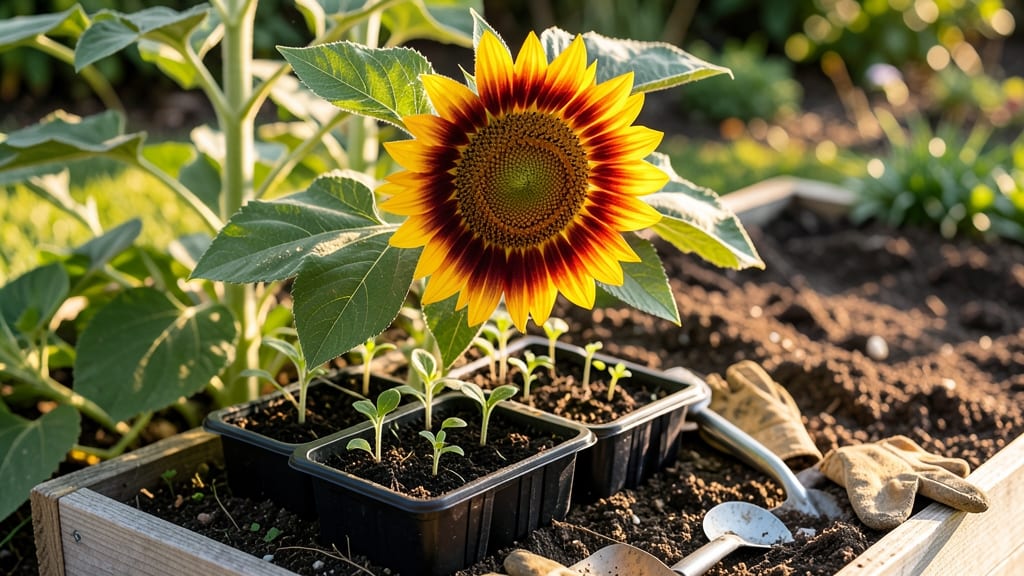
Growing a rainbow sunflower seed in your garden gives you towering, jewel-toned blooms that turn heads—and you can have them ready to plant in just 60 days. 🌻 I've grown these vibrant varieties for years, and the secret to their success starts with the right soil prep and planting depth.
Most people overlook how much sunflowers hate soggy soil, which leads to weak stems and floppy blooms.
The key is loose, well-draining soil mixed with compost, planted 1 inch deep and spaced 6-12 inches apart depending on your variety. Sunflowers need full sun (6+ hours daily) and consistent moisture, but not waterlogged roots—they'll bolt or develop fungal issues if you overdo it.
Thin seedlings to the strongest stems once they're 4-6 inches tall.
By day 60, you'll have sunflowers reaching 4-6 feet tall with blooms in every shade from deep burgundy to golden yellow. The stems are sturdy enough for cutting, and the seeds are perfect for bird feeders or roasting.
Just watch for slugs on young seedlings and aphids on blooms—neem oil works wonders for both.
Rainbow sunflowers thrive in containers too, making them perfect for small spaces or balconies. Whether you're a beginner or a seasoned gardener, these cheerful giants deliver instant gratification and long-lasting beauty.
📚 In This Guide
- What you need
- Instructions
- Tips and common mistakes
- Wrapping up and next steps
What you need
- ● Rainbow sunflower seeds – Choose a heirloom mix (e.g., 'Autumn Beauty' or 'Moulin Rouge') for vibrant colors. Buy 50–100 seeds (or more for larger gardens).
- ● Well-draining potting soil – 5–10 gallons (or enough to fill your containers/beds). Opt for a mix with compost for nutrients.
- ● Containers or garden space: For pots: 5–10 gallon containers (at least 12" deep) with drainage holes.
- ● For in-ground planting: A sunny spot with 6+ hours of sunlight daily and loose, fertile soil.
- ● Watering can or hose with a gentle spray nozzle.
- ○ Plant labels (optional but helpful for tracking varieties!).
- ● Garden trowel – For digging holes (2–3" deep).
- ● Glove – Protects hands from prickly stems (especially after germination!).
- ● Organic fertilizer (e.g., fish emulsion or compost tea) – Boosts growth in 3–4 weeks.
- ● Mulch (straw or shredded leaves) – Keeps soil moist and suppresses weeds.
- ● Stakes or trellis – Supports tall varieties (like 'Russian Giant') if needed.
- ● Wait until after the last frost (sunflowers hate cold soil!).
- ● Test soil pH (ideal: 6.0–7.5). Adjust with lime or sulfur if needed.
- ● Plan for space—sunflowers need 12–24" apart (check seed packet for variety specifics).
Step-by-step guide to growing rainbow sunflowers from seed
Here's the method I've used to grow bold, multi-colored sunflowers that turn heads in any garden.
🌱 Step 1: Prepare Soil and Plant Seeds Directly Outdoors
Sunflower seeds germinate best when planted directly in the garden after all frost danger has passed. Choose a location with full sun (6+ hours daily) and soil that drains well—sunflowers hate soggy roots. I always test my soil first; these plants prefer a slightly acidic to neutral pH of 6.0-7.5. If your soil is heavy clay, mix in 2-3 inches of compost to improve drainage.
Plant seeds ½ inch deep and 6 inches apart in rows spaced 18-24 inches apart. I like to drop 2-3 seeds per hole and thin later—this gives me a backup if some fail to germinate. Water gently after planting to settle the soil around the seeds. Keep the soil consistently moist until germination, which typically occurs in 7-14 days—you'll see tiny green shoots pushing through the soil first.
☀️ Step 2: Provide Consistent Care Through Vegetative Growth
Once seedlings emerge, reduce watering slightly but keep the soil evenly moist—never soggy. Sunflowers are drought-tolerant once established, but young plants need steady moisture to develop strong stems. I water at the base in the morning to prevent fungal diseases that thrive in damp foliage.
Fertilize lightly when plants reach 12 inches tall with a balanced 10-10-10 fertilizer. Too much nitrogen makes them grow leafy but weak-stemmed. Watch for first true leaves (the second set after the initial seed leaves)—this is when you can thin to your strongest plant per location. If you're growing 4 plants, leave the most vigorous seedling in each spot and snip the others at soil level with clean scissors.
💧 Step 3: Support and Monitor as Flowers Develop
When plants reach 3-4 feet tall, they'll need support if growing in windy areas. I stake my taller varieties with 5-6 foot bamboo stakes, tying stems loosely with soft fabric strips every 12 inches. This prevents snapping without restricting growth. Watch for buds forming—this is when you'll see the vibrant rainbow colors emerge in the centers.
Reduce watering as buds form; overwatering at this stage can cause blooms to split. I water every 3-4 days unless it rains, focusing on the base. Deadhead spent blooms by snipping the stem below the flower head—this encourages more blooms and prolongs the season. With proper care, your rainbow sunflowers will reach their full 3-5 foot height and 2-4 inch diameter in about 60 days from planting.
✂️ Step 4: Harvest and Enjoy Your Vibrant Blooms
Harvest flowers when the petals are fully open but before they wilt—this is when their color is most vivid. Cut stems at a 45-degree angle just above a leaf node for longer vase life. I always leave a few blooms on the plant to attract pollinators like bees and butterflies, which help my garden thrive.
For seed saving, allow some flowers to mature completely. The back of the seed packet will tell you when seeds are ready—usually when the petals fall and the seed head turns brown. Collect seeds by placing a paper bag over the head and shaking gently. Store in a cool, dry place for next year's planting. With proper care, your rainbow sunflowers will bring color and joy to your garden for years to come.
Tips & tricks for perfect rainbow sunflower growth
Here's what I've learned after growing these stunning blooms year after year—these tricks make all the difference for vibrant rainbow sunflowers.
Soil Preparation: Before planting, I always mix in 2-3 inches of compost if my soil is heavy clay. This improves drainage dramatically, which sunflowers absolutely hate being waterlogged. For the best results, test your soil pH—these rainbow beauties thrive in that 6.0-7.5 range. If your soil is too acidic, add a little lime to adjust it before planting. The right soil foundation means the difference between weak stems and sturdy plants that reach their full 3-5 foot height.
Planting Strategy: I never plant just one seed per hole—always drop 2-3 seeds and thin later. This gives you backup plants if some fail to germinate, which can happen with seeds. When you do thin, leave the most vigorous seedling in each spot and snip the others at soil level with clean scissors. This prevents disturbing the roots of your chosen plant. The 6-inch spacing between seeds and 18-24 inch rows gives them room to grow without competing for nutrients.
Watering Wisdom: The key is consistent moisture without soggy soil. After planting, keep soil evenly moist until germination (those 7-14 days can feel like forever!). Once seedlings emerge, reduce watering slightly but maintain that moisture—water at the base in the morning to prevent fungal diseases. When buds form, cut back to every 3-4 days unless it rains. Overwatering at this stage causes blooms to split, ruining that stunning rainbow effect we're all after.
Support System: When your plants reach 3-4 feet tall, don't skip the staking! I use 5-6 foot bamboo stakes tied loosely with soft fabric strips every 12 inches. This prevents snapping in windy conditions without restricting growth. The stakes also help maintain that perfect vertical growth that showcases those vibrant rainbow centers. Watch for buds forming—this is when those colors really start to pop!
Pro Tips for Rainbow Sunflower Seed Grow A Garden
- Here's what I've learned after growing these stunning blooms year after year—these tricks make all the difference for vibrant rainbow sunflowers.
- Soil Preparation: Before planting, I always mix in 2-3 inches of compost if my soil is heavy clay.
- Planting Strategy: I never plant just one seed per hole—always drop 2-3 seeds and thin later.
Frequently asked questions
Got questions about growing your own rainbow sunflower seeds? You’re not alone! Here are some of the most common queries—and their answers—to help you cultivate a garden bursting with color in just 60 days.
How deep should I plant rainbow sunflower seeds?
Plant your seeds about 1 inch deep in well-drained soil. Since sunflowers have large taproots, avoid transplanting them after germination. If your soil is rocky or compacted, loosen it first to give those roots room to stretch! Pro tip: Use a small stick to poke holes for precision.
Can I grow rainbow sunflowers from store-bought seeds?
Yes! Store-bought seeds (like those from sunflower varieties labeled "rainbow" or "heirloom") will work, but check the packet for non-GMO, untreated seeds if you’re saving them for next year. For the best color variety, opt for open-pollinated seeds—this ensures vibrant blooms and consistent traits.
What’s the best temperature for germinating sunflower seeds?
Sunflowers thrive in warm soil (70–90°F). If planting early in spring or fall, use a seedling heat mat or wait until nighttime temps stay above 50°F. Cold soil slows germination—patience is key! Fun fact: Some gardeners pre-sprout seeds indoors in damp paper towels for a head start.
Why aren’t my sunflower seedlings growing tall?
Stunted growth often means poor drainage, overcrowding, or nutrient deficiency. Ensure each seedling has 12–18 inches of space and water deeply but infrequently (sunflowers hate soggy roots). Add a balanced fertilizer (10-10-10) when sprouts reach 6 inches tall. Yellow leaves? Check for aphids or adjust sunlight (they need 6+ hours daily).
How do I get multi-colored blooms (not just yellow)?
For true rainbow sunflowers, plant multiple heirloom varieties (like ‘Autumn Beauty’ or ‘Moulin Rouge’) close together. Cross-pollination between varieties creates stunning striped or bi-colored blooms! Note: Save seeds from hybrid varieties for next year only if you want consistent colors.
What can I do with extra sunflower seeds or plants?
Don’t let leftovers go to waste! Share seeds with neighbors, press flowers for crafts, or compost unused plants. If you have too many seedlings, thin them or transplant extras to a pot—sunflowers make great pollinator magnets on balconies! Bonus: Roast excess seeds for a nutritious snack.
Wrapping up and next steps
Growing rainbow sunflower seeds is a rewarding journey that brings bursts of color and joy to your garden in just 60 days! With the right soil, sunlight, and a little patience, you’ll transform tiny seeds into towering, cheerful blooms that attract pollinators and lift spirits.
Whether you’re a novice gardener or a seasoned pro, these vibrant plants are a fantastic way to add life and beauty to your outdoor space.
Ready to take the next step? Start small—plant a few seeds this weekend and watch your garden bloom with sunshine! 🌻 For even more tips, join a gardening community or explore other easy-to-grow varieties to expand your floral haven.