
Lawn
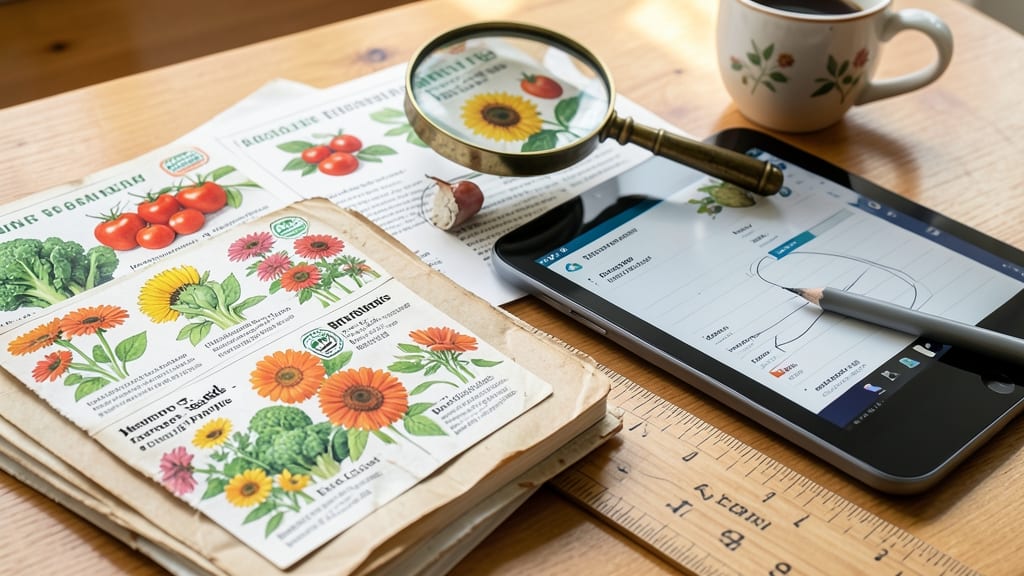
This year’s seed catalogs are your golden ticket to a garden bursting with heirloom treasures and organic gems—but the best deals disappear by Valentine’s Day. 🌱 I’ve spent years poring over catalogs, and 2025’s offerings are packed with drought-resistant tomatoes, ancient corn varieties, and flowers that attract pollinators like magnets.
The key? Ordering early means snagging rare seeds before they sell out, plus securing discounts that’ll make your wallet (and your garden) happy.
Start by scanning catalogs for varieties suited to your USDA hardiness zone—some seeds thrive in Zone 5’s cool springs but bolt in Zone 9’s heat.
Jot down your top picks, then cross-reference with your planting schedule: cool-season crops (like spinach or peas) need to hit the soil 6-8 weeks before last frost, while warm-season stars (tomatoes, peppers) wait until soil warms to 60°F.
Pro tip: Many catalogs now include planting calendars tailored to your zip code—bookmark those.
What you’ll end up with is a customized seed stash that grows exactly what you crave—no more settling for bland supermarket tomatoes or sad store-bought herbs. Imagine plucking ‘Cherokee Purple’ beans fresh from the vine or savoring ‘Black Krim’ tomatoes so rich they taste like summer in a bite.
The early orders also mean you’ll avoid last-minute shortages and get seeds delivered just as your winter planning kicks into gear.
Here’s the secret weapon: companion planting guides in many catalogs now highlight which veggies pair perfectly (like basil with tomatoes or marigolds with peppers). Use this to map your garden layout before the first seed hits the soil—your future self will thank you when pests stay away and yields soar.
Now’s the time to dream big (and order early).
📚 In This Guide
- What you need
- Instructions
- Tips and common mistakes
- Wrapping up and next steps
What you need
- ● Seed Catalogs 2025: Physical or digital copies (at least 2-3 for variety comparison). Look for catalogs specializing in heirloom or organic seeds.
- ● Notebook or Planner: A dedicated garden journal (or digital app) to track seed choices, planting dates, and notes.
- ● Measuring Tape: A 25-foot tape measure for plotting garden beds and spacing.
- ● Permanent Markers: 2-3 colors for labeling seeds, beds, and rows.
- ● Seed Envelopes or Trays: Small, resealable bags or seed-starting trays (100+ for organized storage).
- ● Pruning Shears: Sharp, small-bladed shears for trimming plants and deadheading.
- ● Gloves: A pair of durable gardening gloves (nitrile-coated for extra protection).
- ● Watering Can or Hose: A lightweight can (1-2 gallons) or a hose with a gentle spray nozzle.
- ● Seedling Heat Mat: For early starts or cold climates (10"x20" mat for trays).
- ● Grow Lights: LED lights (12-16 hours/day) for indoor seedling growth.
- ● Soil Test Kit: To analyze pH and nutrient levels before planting.
- ● Compost or Organic Fertilizer: High-quality compost (2-3 bags) or slow-release fertilizer.
- ● Plant Labels: Wooden or biodegradable labels for easy identification.
- ● Knee Pad or Stool: For comfort during long planting sessions.
How to navigate 2025 seed catalogs for heirloom and organic seeds
Here's how I sift through catalogs to find the best heirloom and organic seeds for my garden.
🌱 Step 1: Identify Your Growing Zone and Climate Needs
Start by locating your USDA hardiness zone—this determines which seeds will thrive in your area. Most 2025 catalogs now include zone-specific recommendations, so check the "Growing Guide" or "Planting Calendar" sections. I always cross-reference with my local weather patterns, especially if I'm trying drought-tolerant varieties or heat-sensitive heirlooms.
Look for notes like "best for zones 5-8" or "requires 90+ frost-free days." If you're in a transitional zone (like 7b), focus on seeds labeled as "versatile" or "adaptable." I've learned the hard way that ignoring zone recommendations leads to wasted seeds and disappointed plants.
🌿 Step 2: Compare Organic Certifications and Seed Sources
Not all "organic" seeds are created equal—some catalogs offer OMRI-certified organic seeds, while others simply avoid synthetic chemicals. Scan for labels like "USDA Organic," "Non-GMO Project Verified," or "Seed Savers Exchange" seals. I prioritize catalogs that disclose their seed sources, especially for heirlooms, to ensure genetic integrity.
Pay attention to seed treatment methods. Some heirloom seeds are untreated, while others may be coated with natural oils. If you're growing for seed saving, untreated seeds are essential. I always check the fine print—some catalogs bury this info in their "Seed Preparation" section.
✂️ Step 3: Evaluate Variety Descriptions for Your Goals
Heirloom seeds often come with detailed histories, so read beyond the basic stats. Look for phrases like "open-pollinated," "non-hybrid," or "historically significant." If you're growing for flavor, check reviews or tasting notes—some catalogs include sensory descriptions like "sweet with nutty undertones."
Compare disease resistance ratings and maturity times. I cross-reference with my garden's typical pests (e.g., if powdery mildew is an issue, I avoid susceptible varieties). Some 2025 catalogs now include climate-resilience data, which is a game-changer for unpredictable seasons.
📜 Step 4: Check Ordering Policies and Seed Viability
Seed viability varies—most catalogs guarantee germination rates of 85-95% for seeds under 1 year old. Look for "packaged for 2025" or "fresh harvest" labels. Some heirloom seeds, like certain beans or peas, have shorter shelf lives, so I order those later in the season.
Review return policies and minimum order requirements. Some catalogs offer free seed samples or discounts for first-time buyers. I also check shipping times—some organic seeds need to be planted early, so I factor in delivery windows. A few catalogs now include carbon-neutral shipping options, which aligns with my sustainable gardening goals.
🌱 Step 5: Build a Diverse Seed Collection
Balance your order with a mix of workhorse varieties (like 'Roma' tomatoes) and experimental heirlooms (like 'Black Krim'). I aim for at least 2-3 backup seeds of each variety in case of germination failures. Some catalogs offer "seed swaps" or bulk discounts for multiple varieties.
Consider succession planting needs—if you're growing lettuce, order two batches spaced 3-4 weeks apart. I also note which seeds can be saved for next year (like tomatoes or beans) versus those that must be reordered (like onions or carrots). This helps me plan my 2026 orders efficiently.
Tips & tricks for navigating 2025 seed catalogs
A few strategic moves will help you avoid common pitfalls and make the most of your seed selection process.
Zone-Specific Deep Dive: Don't just rely on the basic zone recommendations—many 2025 catalogs now include microclimate data for your specific region. Look for notes about urban heat islands or coastal wind exposure, especially if you're in a transitional zone like 7b. I've found that some catalogs even offer "microzone" recommendations for areas within your general zone that have unique growing conditions. This level of detail can mean the difference between thriving plants and wasted seeds.
Certification Hierarchy: When comparing organic certifications, prioritize OMRI-listed seeds first, then USDA Organic, then Non-GMO Project Verified. The order matters because OMRI certification specifically addresses organic growing conditions, while other labels may focus more on processing. For heirlooms, look for "Seed Savers Exchange" verification—this indicates the seed has been maintained through generations without genetic modification. I always check the fine print about seed treatments too; untreated seeds are crucial if you plan to save seeds for future seasons.
Variety Description Decoding: The most informative catalogs go beyond basic stats to include sensory descriptions and historical context. When evaluating varieties, pay special attention to phrases like "disease-resistant" (which may specify particular pathogens) and "climate-resilient" (often tested in extreme conditions). I've discovered that some catalogs now include "flavor profiles" that describe not just taste but also texture and aroma—this is especially valuable for heirloom tomatoes or peppers where flavor diversity is key. Cross-reference these descriptions with your local growing conditions to find the perfect match.
Ordering Strategy: Take advantage of the 85-95% germination guarantee most catalogs offer for fresh seeds. For varieties with shorter shelf lives (like beans or peas), consider ordering in smaller quantities or splitting orders to ensure you get them planted at the optimal time. I've found that many catalogs offer "seed viability calculators" that help you determine the best planting window based on your last frost date and seed type. Also, factor in shipping times—some organic seeds need to be in the ground within days of arrival, so plan accordingly.
Pro Tips for Seed Catalogs 2025
- A few strategic moves will help you avoid common pitfalls and make the most of your seed selection process.
- Zone-Specific Deep Dive: Don't just rely on the basic zone recommendations—many 2025 catalogs now include microclimate data for your specific region.
- Certification Hierarchy: When comparing organic certifications, prioritize OMRI-listed seeds first, then USDA Organic, then Non-GMO Project Verified.
Frequently asked questions
Got questions about seed catalogs for 2025?
You’re not alone! Here are some of the most common queries—and clear answers—to help you navigate heirloom varieties, organic seeds, and everything in between.
What’s the best time to order seeds for the 2025 growing season?
Most seed companies recommend ordering 6–12 months before your planting season to avoid shortages. For cool-season crops (like lettuce or spinach), place orders in late summer/fall. Warm-season lovers (tomatoes, peppers) should order by winter. Pro tip: Check the catalog’s “planting timeline” for your hardiness zone!
Can I still get heirloom seeds if I wait until spring?
While some rare varieties sell out fast, many catalogs restock selectively in early spring. Focus on popular heirlooms (like Cherokee Purple tomatoes) or smaller, niche suppliers. Set up email alerts or call customer service—loyalty pays off!
Are organic seed catalogs more expensive than conventional ones?
Yes, but the price gap is shrinking! Organic seeds often cost 10–30% more due to certification and smaller batches. Balance your budget by buying in bulk or seeking discounts (e.g., seed swaps, end-of-season sales). Prioritize high-value crops (like heirloom corn or rare peppers) to justify the cost.
How do I find seeds suited for my climate or soil type?
Use the catalog’s zone/region filters or their “growing guides.” Many include soil-testing tips or companion-planting charts. For tricky conditions (e.g., heavy clay or short seasons), search for “drought-tolerant” or “fast-maturing” varieties. Ask the company’s agronomists—they’re happy to help!
What if my seeds don’t germinate after ordering?
First, check storage (seeds need cool, dry conditions). If they’re old or damaged, most reputable catalogs offer free replacements or refunds. Keep receipts and photos! For future success, test germination rates with a simple DIY test before planting.
Do seed catalogs ship internationally, and are there alternatives?
Some do (e.g., Baker Creek or Seeds of Change), but shipping costs and customs can add up. Alternatives include:
- Local seed libraries (free/low-cost heirlooms)
- Farmers’ markets (meet seed growers in person)
- Online seed banks (like Seed Savers Exchange)
Wrapping up and next steps
As we look ahead to seed catalogs 2025, the future of gardening shines bright with heirloom treasures and organic options! 🌱 Whether you're a seasoned green thumb or just starting your gardening journey, these catalogs offer a world of possibilities—from rare varieties to sustainable choices.
Now’s the perfect time to explore, dream, and plan your next growing season.
Your next step? Start browsing those catalogs, jot down your favorites, and get ready to cultivate something extraordinary! 🌟