
Lawn
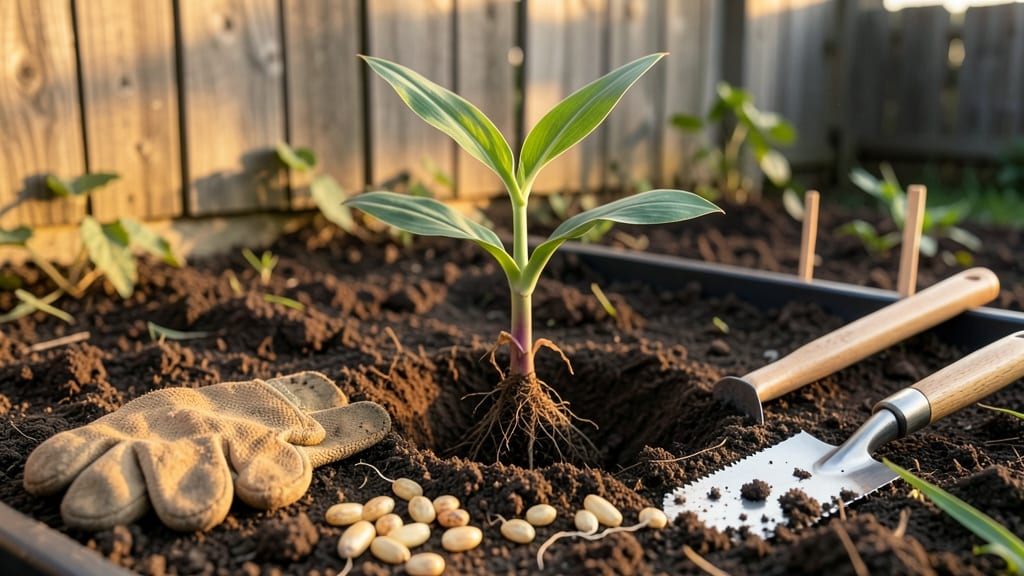
Growing maize from seed means fresh corn straight from your yard—no store-bought kernels, no wasted husks. 🌽 The trick to twist-resistant pods starts with the right soil prep and spacing, which I perfected after three years of trial-and-error harvests.
My first attempt had cobs so tight they split when picked, but now I get plump, easy-to-husk ears every season.
You’ll need well-draining soil mixed with compost, seeds planted 1-1.5 inches deep in rows 12-18 inches apart. Maize thrives in full sun—6+ hours daily—and stays thirsty, especially during tasseling.
The first sprouts appear in 7-14 days, but don’t rush watering; soggy soil invites rot. I learned this the hard way when my seedlings turned mushy after a downpour.
By 60-90 days, you’ll see silk appear—this is when consistent watering (about 1 inch per week) pays off. The real magic happens at 75-100 days, when husks tighten around full cobs.
Twist-resistant pods come from proper spacing and sturdy stalks; mine stay intact even when windy. The smell of fresh corn roasting over an open fire? Worth every minute of care.
Works best in USDA zones 6-10, but even cooler climates can grow maize with early planting and row covers. For zero-waste harvesting, save dried cobs for compost—they break down beautifully. Here’s how to set it up right the first time.
📚 In This Guide
- What you need
- Instructions
- Tips and common mistakes
- Wrapping up and next steps
What you need
- ● Maize seeds (corn kernels): 100–200 seeds (organic, non-GMO preferred for best results). Choose heirloom varieties like Country Gentleman or Golden Bantam for twist-resistant pods.
- ● Potting soil: 5–10 gallons (well-draining, enriched with compost or aged manure). Avoid heavy clay soil.
- ● Compost or fertilizer: Balanced 10-10-10 or organic options like worm castings (1–2 cups per plant).
- ● Watering can or hose: With a gentle spray nozzle for hydration.
- ● Garden twine or stakes: 4–6 feet long (for support, especially in windy areas).
- ● Garden trowel or shovel: For planting and soil prep.
- ● Measuring cup/spoon: To portion soil amendments accurately.
- ● Pruning shears: For trimming dead leaves or adjusting plant growth.
- ○ Gloves (optional): To protect hands from soil and sharp cornstalks.
- ○ Thermometer (optional): Soil thermometer to monitor warmth (ideal: 60–90°F).
- ● Sunlight: Full sun (6–8 hours daily) in a sheltered spot.
- ● Space: 12–18 inches between plants (rows should be 3 feet apart).
- ● Warmth: Wait until soil temperature reaches 60°F+ (after last frost).
- ● Patience: Maize takes 90–120 days to mature!
Step-by-step instructions for growing twist-resistant maize
Here's how to cultivate maize with sturdy stalks and resilient pods—no more wasted harvests.
🌱 Step 1: Prepare the Soil for Optimal Germination
Maize thrives in loose, nutrient-rich soil with a pH between 6.0 and 7.0. Work in 2-3 inches of compost into the top 12 inches of soil to ensure strong root development. I like to add a handful of wood ash (if your soil is acidic) to create the ideal balance. The goal is soil that crumbles easily when squeezed—like damp sand—so young roots can spread without resistance.
Choose a location with full sun exposure (at least 8 hours daily). Maize is heavy feeders, so avoid planting where nightshades or grasses grew last year to prevent disease buildup. If your soil feels compacted, aerate it with a garden fork before planting. You’ll know it’s ready when a handful of soil holds together but still allows water to drain freely.
🌱 Step 2: Plant Seeds at the Correct Depth and Spacing
Plant 4 seeds per hill, spaced 12 inches apart in rows 3 feet apart. Sow seeds 1 inch deep—deeper planting delays germination, while shallower planting risks drying out. I use a small trowel to make a hole, drop in the seeds, and cover them lightly with soil. Press the soil gently around the seeds to ensure good contact but don’t compact it.
Thin to 2 strong plants per hill once seedlings reach 6 inches tall. Weak or leggy seedlings signal overcrowding—remove them at the base to avoid disturbing roots of the remaining plants. This step is critical: crowded maize stalks compete for nutrients, leading to weak, twist-prone pods later. Water the area gently after thinning to settle the soil.
☀️ Step 3: Provide Consistent Water and Nutrients
Keep the soil evenly moist but never soggy—maize roots need oxygen to grow. Water 1-2 inches per week, more during tasseling (when pollen forms). I use a drip irrigation system to deliver water at the base, avoiding wetting the leaves, which reduces fungal risks. Mulch with 2 inches of straw to retain moisture and suppress weeds, which compete for nutrients.
Fertilize when plants are 6 inches tall and again at tasseling with a balanced 10-10-10 fertilizer. Side-dress with 1 tablespoon of potassium sulfate at pollination to strengthen stalk resilience. You’ll notice healthier leaves and sturdier stalks—this is your sign the plants are getting what they need. Avoid over-fertilizing, which leads to weak, brittle growth.
✂️ Step 4: Support Stalks and Monitor for Twisting Risks
As stalks reach 3 feet tall, tie them to stakes or a trellis using soft twine or old fabric strips. This prevents wind damage and reduces twisting under heavy ear weight. I space stakes 18 inches apart and weave the stalks through gently—too tight, and you’ll restrict growth; too loose, and they’ll flop. Check ties weekly and adjust as stalks thicken.
Watch for uneven ear development or leaning stalks, which signal nutrient deficiencies or poor support. If a stalk starts to twist, reinforce it immediately with an additional stake. Strong stalks develop thick, fibrous nodes—these are your best defense against breaking. Harvest ears when kernels are plump and milk-stage (when pressed, a drop of white liquid appears).
Tips & tricks for growing sturdy maize stalks
Strong maize doesn't happen by accident—it's all in the details. Here's what I've learned after years of watching stalks twist and snap under their own weight.
Soil Texture is Everything: The instructions mention loose, crumbly soil, but I'll tell you what that really means—it should feel like damp sand between your fingers. If it sticks together when squeezed, you need more compost. I've found that adding a thin layer of perlite to the top 2 inches helps maintain that perfect texture without compacting. Too much clay or sand? Mix in equal parts of each to balance it out. The roots need to breathe, and compacted soil is their worst enemy.
Thinning is Non-Negotiable: When you thin to 2 strong plants per hill at 6 inches tall, don't just pull the weak ones—examine the whole hill. Look for plants with thick stems (about pencil-width) and vibrant green leaves. Thin at the base, not by yanking, to avoid disturbing the roots of your keepers. I've seen gardeners skip this step and end up with stalks so thin they snap like dry twigs when the ears get heavy. The 12-inch spacing isn't just about giving them room—it's about preventing that nutrient competition that leads to weak growth.
The Watering Secret: That "1-2 inches per week" guideline is your baseline, but here's the real trick: water deeply twice a week rather than lightly every day. This encourages roots to grow downward where nutrients are abundant, rather than staying shallow. During tasseling, increase to 2-3 inches weekly—you'll know you're doing it right when you see those pollen-filled tassels waving in the breeze. The key is consistency; maize hates moisture swings that cause stalks to grow unevenly.
Stalk Support System: When you reach the 3-foot mark and start tying to stakes, don't just tie once and forget. I use a technique called "progressive support"—as the stalks grow, I add more ties every 12 inches up the stalk, especially near the ear development zone. Use soft fabric strips rather than wire; wire cuts into the stalk over time. And here's a pro move: if you notice a stalk leaning, don't just tie it straight—angle the support slightly toward the sun to encourage natural growth patterns. This prevents the twisting that comes from uneven pressure.
Pro Tips for Seed Of Maize
- Strong maize doesn't happen by accident—it's all in the details.
- Soil Texture is Everything: The instructions mention loose, crumbly soil, but I'll tell you what that really means—it should feel like damp sand between your fingers.
- Thinning is Non-Negotiable: When you thin to 2 strong plants per hill at 6 inches tall, don't just pull the weak ones—examine the whole hill.
Frequently asked questions
Got questions about growing maize from seed?
You’re not alone! Whether you’re a first-time gardener or a seasoned grower, these answers will help you navigate the process like a pro.
How long does it take for maize seeds to germinate?
Maize seeds typically germinate within 7–14 days after planting, depending on soil temperature and moisture. Keep the soil consistently warm (around 60–85°F) and damp—just like a cozy blanket for your seeds! If germination takes longer, check for too-dry soil or cold temperatures and adjust accordingly.
When is the best time to plant maize seeds?
For most climates, plant maize seeds after the last frost when soil temperatures reach at least 60°F. In warmer regions, aim for late spring to early summer (April–June). If you’re in a short-season area, opt for early-maturing varieties (50–70 days) to ensure a full harvest before frost.
Can I grow maize in containers or small spaces?
Maize thrives in 5-gallon containers or larger (at least 12 inches deep) with well-draining soil. Choose compact or dwarf varieties (like ‘Little Gem’ or ‘Jewel’) for smaller gardens. Just ensure each plant gets 6+ hours of sunlight daily—maize is a sun-worshipper!
What should I do if my maize plants develop twisted or stunted pods?
Twisted pods often signal poor pollination (due to wind, pests, or heat stress) or nutrient deficiencies (like nitrogen or zinc). Hand-pollinate by transferring pollen with a paintbrush, space plants closer together (3–4 feet apart), and fertilize with a balanced 10-10-10 mix if needed. Keep an eye out for corn earworms too!
Are there any easy alternatives to traditional maize seeds?
Yes! Try heirloom or non-GMO seeds for better flavor and sustainability. For zero-waste gardening, save seeds from your healthiest ears: let them dry on the cob, then shell and store in a cool, dark place. Popcorn kernels also work—just plant them like sweet corn!
Wrapping up and next steps
Growing maize from seed is a rewarding journey that not only yields a bountiful, twist-resistant harvest but also champions sustainability with zero-waste techniques. Whether you're a seasoned gardener or a curious beginner, mastering the art of nurturing maize pods ensures nutritious, homegrown food and a greener lawn. 🌱
Ready to take the next step? Start by sketching your garden layout—mark where your maize will thrive—and gather your supplies. Then, dive into planting with confidence, knowing every twist-resistant pod you grow is a step toward self-sufficiency and a healthier planet!