
Vegetables
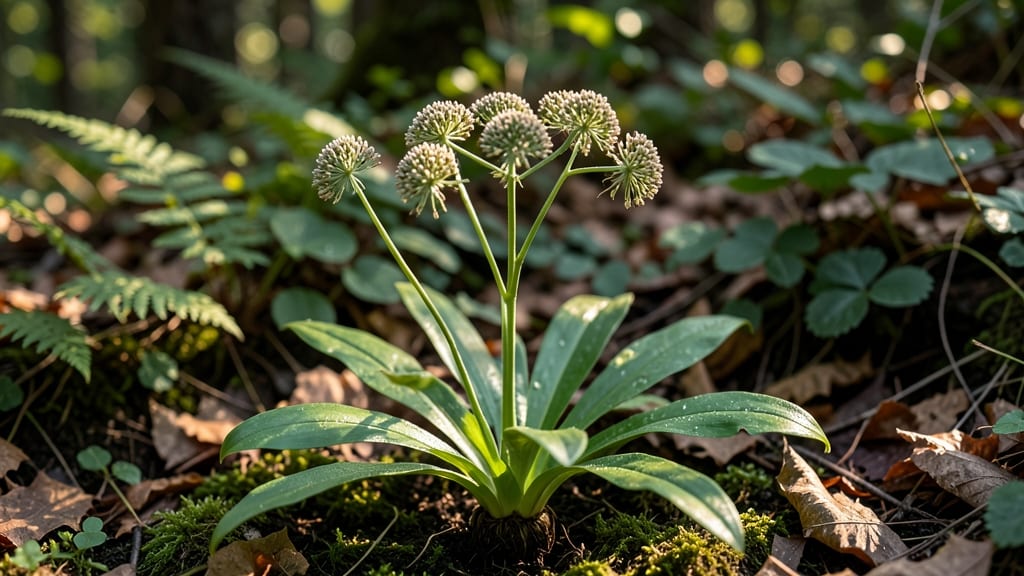
Those round, papery seed heads are wild garlic’s secret to spreading—and your ticket to free plants next spring. 🌱 I used to toss them, but now I harvest them carefully to grow new patches without buying seeds.
The process is simpler than you’d think, and the payoff is worth the effort. You’ll need just a few things: a pair of scissors or pruners, a paper bag for drying, and a shady spot in moist soil.
Wild garlic seeds are temperamental—too much sun or dryness, and they won’t sprout—but get it right, and you’ll have lush new shoots by early spring. The magic happens when you plant them in fall or early spring, mimicking their natural cycle.
Store seeds in a cool, dry place until planting, and watch for those first arrow-shaped leaves pushing through the soil in weeks. This method works for wild garlic, chives, or even onions—just adjust timing for your climate.
Here’s how to do it without losing a single seed to squirrels or rot.
📚 In This Guide
- What you need
- Instructions
- Tips and common mistakes
- Wrapping up and next steps
What you need
- ● Fresh wild garlic seed heads: 5–10 mature, fully dried seed stalks (brown, papery, and crisp). Pro tip: Harvest after they’ve naturally dried on the plant for best viability!
- ● Paper grocery bags or breathable fabric sacks: 2–3 medium-sized bags to collect seed heads without crushing them.
- ● Scissors or pruning shears: Sharp, clean tools to snip seed stalks at the base (sterilize with rubbing alcohol if reusing).
- ● Flat, dry surface: A tray, baking sheet, or large piece of cardboard for spreading seed heads to dry.
- ● Fine-mesh sieve or colander: A ¼-inch or smaller mesh to sift seeds from dried heads.
- ● Air-tight storage containers: Small jars, envelopes, or seed packets (label with the harvest year!).
- ○ Optional: Desiccant packets (for long-term storage) or a fan (to speed up drying).
- ● Magnifying glass: For inspecting seed quality before storage.
- ○ Seed viability test kit: (Optional) To check germination rates if saving seeds long-term.
- ● Notebook/pencil: To log harvest details (location, date, weather conditions).
How to harvest wild garlic seed heads for next year’s plants
Skip the store-bought bulbs and grow your own wild garlic—here’s how to collect seeds the easy way.
🌿 Step 1: Identify and Select Healthy Seed Stems
Wild garlic produces tall, slender stems topped with clusters of small white flowers in spring. Wait until these flower clusters turn brown and papery—this signals the seed pods are fully mature. I like to harvest on a dry morning after dew has evaporated, as damp seed heads can mold if handled roughly.
Choose the sturdiest stems with the most seed pods. Avoid any that look wilted or have blackened tips, as these may not produce viable seeds. Gently twist the stem at the base until it snaps cleanly—no need to dig. You’ll need about 4 healthy stems to yield enough seeds for a small patch.
✂️ Step 2: Bundle and Dry the Seed Heads
Hang the harvested stems upside down in a dry, well-ventilated spot. I use a small mesh bag or an old pair of pantyhose tied at the top to keep them contained. A garage, shed, or even a sunny windowsill works—just avoid direct sunlight, which can overheat the seeds.
The drying process takes 2-3 weeks. You’ll know they’re ready when the seed pods turn brittle and begin to rattle when shaken. If you’re impatient, check weekly—over-drying can make the seeds too dry to germinate. Once fully dry, gently rub the pods between your fingers to release the tiny black seeds into a bowl.
🪴 Step 3: Store Seeds Properly for Planting Next Spring
Transfer the seeds to a small envelope or airtight container. Label it with the year and variety (if applicable) to avoid confusion. Store the container in a cool, dark place like a refrigerator drawer. Wild garlic seeds stay viable for 2-3 years, but they germinate best when planted fresh.
Before planting, soak the seeds in lukewarm water for 12 hours to soften their tough outer coating. This step boosts germination rates significantly. After soaking, plant them ¼ inch deep in moist soil during early spring—wild garlic thrives in partial shade and moist, well-draining conditions.
🌱 Step 4: Prepare Beds for Direct Sowing (Optional)
If you’re planting the seeds immediately, loosen the soil to a depth of 6 inches and mix in a handful of compost. Wild garlic spreads naturally, so space seeds 1-2 inches apart in rows 12 inches apart. Lightly cover with soil and water gently to settle everything in place.
Keep the soil consistently moist but not soggy until the seedlings emerge—usually within 2-3 weeks. Once they’re established, wild garlic is low-maintenance and will return year after year. Just avoid overcrowding, or you’ll end up with tiny, weak plants.
Tips & tricks for perfect wild garlic seed collection
Harvesting wild garlic seeds doesn't have to be tricky—these simple tricks ensure you get the most viable seeds for next year's garden.
Timing is Everything: The 2-3 week drying period in Step 2 is crucial—don't rush it! I've learned the hard way that impatiently drying seeds too quickly makes them brittle and non-viable. Place your seed heads in a location with good airflow, like a mesh bag hanging in a garage, to prevent mold while maintaining moisture balance. Check weekly by gently shaking the pods—they should rattle when fully dry.
Seed Pod Inspection: Before harvesting, examine the seed pods closely for any signs of pests or disease. Look for tiny holes or webbing that might indicate spider mites or aphids. If you find any, isolate those stems and discard them immediately. Healthy pods should feel firm and papery, not soft or mushy. This step in Step 1 saves you from planting contaminated seeds that won't germinate.
Storage Wisdom: When storing your seeds in Step 3, consider adding a small packet of silica gel to your airtight container. This helps absorb any excess moisture that could reduce seed viability. I also recommend writing the harvest date directly on the container—this prevents confusion when you're ready to plant next spring. Remember, seeds stored in cool, dark conditions maintain their viability for up to 3 years, though they germinate best when planted fresh.
Pro Tips for Wild Garlic Seed Heads
- Harvesting wild garlic seeds doesn't have to be tricky—these simple tricks ensure you get the most viable seeds for n...
- Timing is Everything: The 2-3 week drying period in Step 2 is crucial—don't rush it! I've learned the hard way that i...
- Seed Pod Inspection: Before harvesting, examine the seed pods closely for any signs of pests or disease. Look for tin...
Frequently asked questions
Got questions about harvesting wild garlic seed heads? You’re not alone! Here are some of the most common queries—and their answers—to help you master the process like a pro.
When is the best time to harvest wild garlic seed heads?
The ideal time is when the seed pods turn light brown and begin to split open (usually late spring to early summer). Harvest too early, and the seeds won’t be mature; wait too long, and they’ll scatter on their own. A gentle shake test—if seeds rattle inside—means they’re ready!
How do I know if the seed heads are still viable?
Viable seeds should feel plump and firm, not shriveled or hollow. Crush a few between your fingers—if they release tiny black seeds, they’re good to go! Store them in a paper envelope in a cool, dry place (like a seed catalog) for up to 2 years.
Can I harvest seed heads from store-bought wild garlic?
Probably not! Most grocery-store wild garlic is Allium ursinum grown from bulbs, not seeds. For true seed heads, forage from wild patches in forests or meadows (with permission). If you’re unsure, ask a local foraging group—they’re a goldmine for tips!
What if my wild garlic plants don’t produce seed heads?
No seed heads? Your plants might be too young (they need 1–2 years to mature) or stressed by over-harvesting leaves or poor soil. Try leaving some foliage intact next season and enrich the soil with compost. Patience pays off—wild garlic is resilient!
Are there alternatives if I can’t find wild garlic seed heads?
Try these:
- Garlic chives (easy to grow from seed, milder flavor).
- Green garlic (harvest young shoots for a sweeter taste).
- Ramp seeds (if you’re near Appalachia—check local regulations!).
- Store-bought wild garlic seeds (from reputable nurseries like Richters or Baker Creek).
Wrapping up and next steps
Harvesting wild garlic seed heads is a rewarding way to ensure a fresh supply of these flavorful greens for seasons to come—without the stress of replanting! 🌱 With just a few simple tools and a little patience, you can collect viable seeds that’ll sprout into lush, aromatic plants next year.
Whether you’re a seasoned gardener or a curious beginner, this process connects you to nature’s cycle in the most delicious way.
Ready to take the next step? Mark your calendar for late spring or early summer—when those seed heads are plump and ready—and grab your pruners. Then, share your harvest with friends or experiment with fermenting, drying, or planting your seeds. Your future meals (and garden!) will thank you.