
Lawn
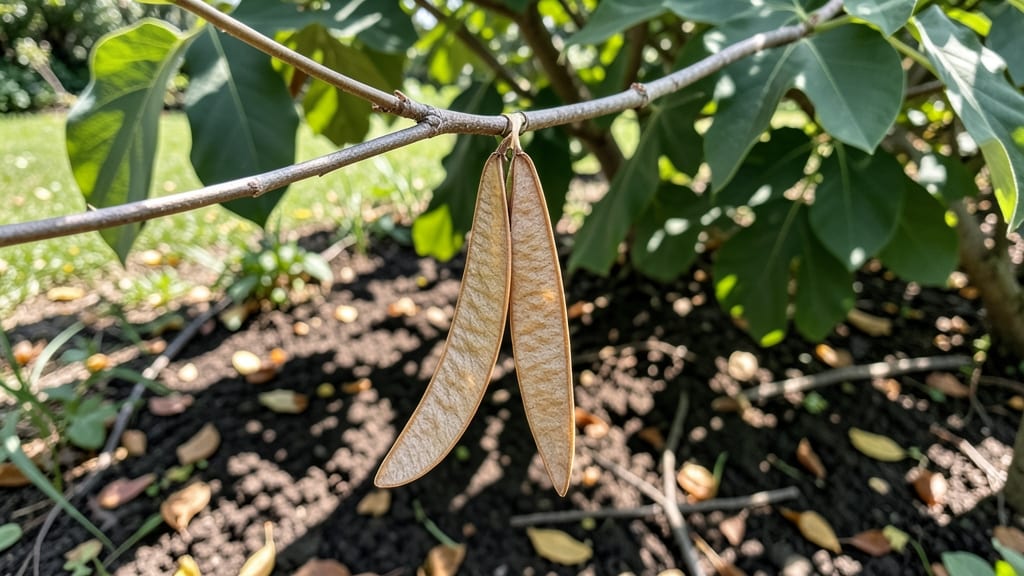
Collecting tulip tree seeds starts when those distinctive cone-shaped pods turn brown and split open—nature’s way of announcing it’s time to harvest. 🌱 I’ve learned that patience pays off here; waiting until pods crack naturally ensures the best germination rates, and the seeds inside are ready to grow into towering shade trees.
The pods themselves are easy to spot: they’re 3-4 inches long, cone-shaped, and turn from green to a dry, papery brown by late summer or early fall. Once they split, the seeds inside look like tiny, flat brown wings—each one a potential future tree.
A sturdy bucket and a gentle hand are all you’ll need to collect them before squirrels or wind scatter them. Once you’ve gathered them, the real magic happens with proper storage and stratification.
Place the seeds in a damp paper towel inside a sealed bag and refrigerate for 60-90 days—this mimics winter conditions and breaks dormancy. By spring, you’ll see tiny roots sprouting, signaling it’s time to plant. The payoff?
Healthy seedlings that grow 3-5 feet per year once established, providing shade and wildlife habitat for decades. Even if you miss the perfect harvest window, these seeds stay viable for 2-3 years if stored dry and cool.
📚 In This Guide
- What you need
- Instructions
- Tips and common mistakes
- Wrapping up and next steps
What you need
- ● Mature tulip tree seed pods: Harvest pods that are fully brown and dry (typically late summer to fall). Aim for 5–10 pods for a satisfying pop session!
- ● Heavy-duty gloves: Leather or thick gardening gloves to protect hands from sharp pod edges (1 pair).
- ● Sturdy bucket or trash bag: A 5-gallon capacity container to collect seeds and debris (1 unit).
- ○ Pruning shears or loppers: For harvesting pods from tall trees (optional if pods are ground-level).
- ● Hammer or mallet: A 1–2 lb rubber mallet for stubborn pods (1 unit).
- ● Sieve or mesh screen: To separate seeds from chaff (18" diameter or larger).
- ● Labeling tags & marker: For tracking seed batches if planting later.
- ● Safety goggles: If popping pods near your face (for the satisfying experience!).
How to collect tulip tree seeds naturally from pods
Here's how I gather seeds without damaging the tree—just watch and wait for nature to do the work.
🌿 Step 1: Identify and Locate Mature Seed Pods
Tulip tree seed pods grow in clusters at the tree's branch tips. Look for pods that are light brown and papery, about 3-4 inches long, and split open naturally along their seams. These are ready to release seeds—no tools needed. I check trees in late summer to early fall when pods mature.
Don't pick pods too early. Green or firm pods won't open naturally, and forcing them can damage the tree. Instead, wait until you see small winged seeds peeking out or scattered on the ground below. This means the pod is ready to release seeds on its own.
⏰ Step 2: Time Seed Release for Easy Collection
Tulip tree seeds release most easily on dry, windy days when the pods split open fully. I collect seeds on these days by placing a large tarp or sheet under the tree branches. The wind carries seeds directly onto the fabric, making cleanup effortless.
If you miss the natural release, you can gently tap mature pods with a stick to encourage seeds to drop. But be careful—over-aggressive tapping can damage the tree. I only do this if I see seeds inside but the pod isn't opening on its own.
🪴 Step 3: Harvest and Store Seeds Properly
Once seeds are on the tarp, carefully collect them with a small hand rake or your hands. Remove any empty seed pods or debris—only keep the winged seeds that are 1-2 inches long with a flat, papery wing. Store seeds in a paper envelope or breathable container to prevent moisture buildup.
Label your seeds with the collection date and store them in a cool, dry place (like a pantry) until spring planting. Tulip tree seeds stay viable for 1-2 years if stored properly, but I always plant them as soon as possible for the best germination.
🌱 Step 4: Prepare Seeds for Planting (Optional)
Tulip tree seeds don't need stratification—they germinate quickly when planted fresh. Fill a small pot or seed tray with well-draining soil (I use a mix of potting soil and perlite) and plant seeds ½ inch deep, spacing them 1-2 inches apart. Water gently until the soil is moist but not soggy.
Place the pot in a bright, indirect light spot (like a sunny windowsill) and keep the soil consistently moist. You'll see tiny sprouts in 2-4 weeks—that's your signal to start hardening off seedlings for outdoor planting in spring or early summer.
Tips & tricks for perfect tulip tree seed pod collection
Here's what I learned after collecting seeds from dozens of tulip trees—these tricks make the process smoother and more reliable.
Pod Maturity Check: The key to successful collection is knowing when pods are truly ready. In Step 1, when you see pods that are light brown and papery with visible seams, they're close—but don't rush! Wait until you spot those telltale winged seeds peeking out or scattered below. I've learned the hard way that forcing immature pods only frustrates both you and the tree.
Weather Timing Strategy: Step 2 reveals the secret weapon: wind. I now schedule my collections exclusively for dry, windy days—the wind does 90% of the work by blowing seeds directly onto your tarp. Pro tip: Check your local weather forecast for "wind gusts" predictions. Even light breezes (10+ mph) make collection effortless. If you're stuck with calm weather, that gentle tapping technique becomes your backup plan.
Storage Wisdom: After harvesting, I've found that paper envelopes are the gold standard for seed storage. They allow just enough airflow to prevent moisture buildup while keeping debris out. Labeling with the collection date is non-negotiable—I've had seeds last 2 full years when stored properly in cool, dry conditions. For extra protection, place your envelopes inside a sealed plastic bag with a silica gel packet to absorb any lingering moisture.
Planning Ahead: Step 4's planting window is tight, so I always prep my planting containers in advance. I keep a supply of well-draining soil mixes ready (potting soil + perlite in 2:1 ratio) and store them in labeled bins. The ½ inch deep planting depth might seem shallow, but it's perfect for these large seeds. I also mark my seed trays with the planting date to ensure I don't accidentally plant too early or too late in the season.
Pro Tips for Tulip Tree Seed Pod
- Here's what I learned after collecting seeds from dozens of tulip trees—these tricks make the process smoother and more reliable.
- Pod Maturity Check: The key to successful collection is knowing when pods are truly ready.
- Weather Timing Strategy: Step 2 reveals the secret weapon: wind.
Frequently asked questions
Got questions about those iconic tulip tree seed pods? You’re not alone! Here are the answers to the most common queries—from timing to troubleshooting—so you can master the art of pod popping like a pro.
When do tulip tree seed pods ripen and fall?
Tulip tree seed pods typically ripen in late summer to early fall (August–October, depending on your climate). They’ll turn from green to brown and split open on their own—though a gentle tap can help speed up the process. If pods stay green past October, they’re not ready yet!
How do I safely pop open a tulip tree seed pod?
Use a wooden mallet or hammer to tap the pod gently on a hard surface (like a tree stump or concrete). Wear gloves—those pods are sharp! Avoid metal tools to prevent damaging the seeds. Pro tip: Place a tarp underneath to catch the seeds and debris for easy cleanup.
What should I do with the seeds after collecting them?
Once popped, remove the winged seeds from the fibrous pulp. Rinse them in water to remove debris, then let them dry in a shady spot for 1–2 days. Store them in a paper bag or envelope in a cool, dry place until planting (or sow them directly outdoors in fall for best results).
Can tulip tree seed pods survive winter if left on the tree?
Yes! Pods often hang on trees through winter and release seeds in early spring. If you’re impatient, harvest them in fall—but if you miss the window, don’t worry. The tree’s natural timing is reliable, and pods are tough enough to endure frost.
What if my tulip tree isn’t producing seed pods?
Tulip trees need both male and female flowers (or a single hermaphroditic tree) to produce pods. If your tree is young (<10 years), it may not be mature enough. Check for pests (like borers) or disease, and ensure it gets full sun and well-drained soil. If all else fails, consider planting a second tree nearby!
Wrapping up and next steps
From tulip tree seed pods to effortless seed collection, you’ve now unlocked a simple, nature-friendly way to gather seeds without the mess! Whether you’re a gardener, homesteader, or just love the magic of trees, this method is a game-changer. 🌿✨
Ready to put your new skills to use? Head outside this weekend—grab your supplies, find a ripe pod, and enjoy the satisfying pop of nature’s design! Share your harvest with fellow plant lovers or start your own mini forest adventure. Happy popping! 🌱💚