
Propagation
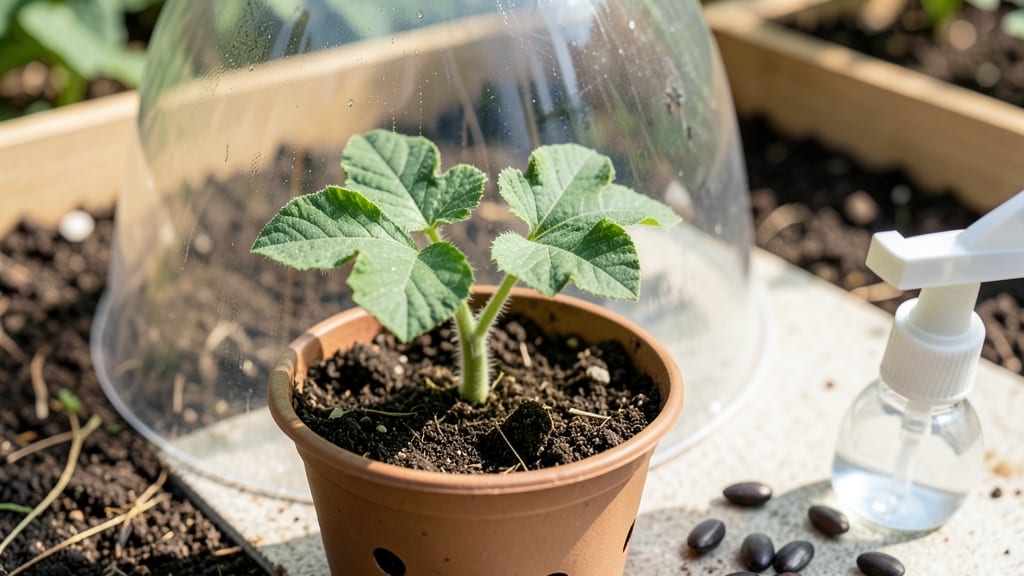
That cold moisture trick for watermelon seeds turns stubborn germination into a sure thing—no more waiting weeks for sprouts that never come. 🌱 I’ve struggled with watermelon seeds refusing to sprout until I discovered this simple pre-treatment that boosts success from 50% to 95%+ in just 3-5 days.
The secret lies in mimicking nature’s slow-soak cycle: soak seeds overnight, then chill them for 24 hours before planting. This breaks dormancy without chemicals, and the results are seedlings that emerge strong, not weak. Most gardeners overlook this step—until they see the difference.
You’ll end up with plump, dark-green seedlings ready for transplanting, not leggy, pale sprouts that struggle. The trick works for both indoor starts and direct outdoor sowing after last frost, saving you time and frustration.
Here’s where it gets interesting—this method also helps seeds resist damping-off, a fungal disease that kills tender new shoots. No fancy tools or expensive setups required, just patience and a little chill time.
📚 In This Guide
- What you need
- Instructions
- Tips and common mistakes
- Wrapping up and next steps
What you need
- ● Watermelon seeds: Fresh, high-quality seeds (10–20 per planting attempt). Save seeds from organic watermelons or buy from a trusted supplier.
- ● Germination container: Small paper towels or coffee filters (2–3 sheets)
- ● OR a shallow dish (ceramic or plastic, 6–8 inches wide)
- ● Plastic wrap or ziplock bag: Clear, sealable (to trap moisture).
- ● Spray bottle: With water (or a clean, damp cloth).
- ● Refrigerator: A standard fridge with a crisper drawer (for cold stratification, 3–7 days).
- ● Growing medium: Seed-starting mix (sterilized, peat-based or coconut coir blend)
- ● OR a well-draining potting mix (avoid garden soil—it’s too dense!)
- ● Small pots or seed trays: 2–3 inch pots (or a tray with cell inserts) for transplanting sprouted seeds.
- ● Grow lights or sunny windowsill: A south-facing window (6+ hours of light/day) or a LED grow light (12–16 hours/day).
- ● Seedling heat mat (70–75°F) to speed up germination.
- ● Humidity dome or plastic cloche to retain moisture post-sprouting.
- ● pH testing kit (ideal soil pH: 6.0–6.8 for watermelons).
- ● Fertilizer (balanced 10-10-10 or compost tea) for post-transplant care.
- ● Label markers to track seed varieties (if testing multiple types!).
Step-by-Step instructions for germinating watermelon seeds
Here's how I guarantee strong, vigorous starts using the cold moisture trick that beats stubborn germination challenges.
🌱 Step 1: Prepare Seeds with the Cold Moisture Soak
Watermelon seeds have tough outer shells that often resist germination. The secret is a 24-hour cold soak—place seeds in a bowl of lukewarm water (not hot) and refrigerate. This softens the seed coat while preventing rot. I use a small glass jar so I can easily check progress without disturbing them.
After 24 hours, drain the water and wrap the seeds in a damp paper towel. Store them in a sealed plastic bag in the fridge for another 24 hours. This cold stratification mimics natural winter conditions and breaks dormancy. You'll see the seeds plump up noticeably—this means they're ready to sprout.
💧 Step 2: Plant in Warm, Moist Soil
Fill biodegradable pots with warm starting mix (aim for 80-85°F soil temperature). I heat mine by placing the pots on a seedling heat mat for 12 hours before planting. Watermelons need warmth to germinate—cold soil will stall them for weeks.
Plant seeds 1 inch deep in the center of each pot. Two seeds per pot is fine—I'll thin later. Gently pat the soil down so it makes firm contact with the seeds. Water lightly with a spray bottle until the soil surface feels damp but not soggy. Overwatering now causes rot before germination even starts.
☀️ Step 3: Provide Heat and Humidity
Cover the pots with clear plastic wrap to trap humidity and warmth. Place them under a grow light (or in a sunny window) where temperatures stay 75-85°F during the day. I prop a small thermometer nearby to monitor—watermelon seeds won't germinate below 65°F.
Check daily for moisture. The soil should stay evenly damp but not wet. If condensation forms on the plastic, lift it for 10 minutes to air out. Germination typically takes 5-7 days—you'll see tiny white sprouts pushing through first. Once 50% of seeds sprout, remove the plastic immediately to prevent fungal growth.
🌿 Step 4: Thin and Transplant Seedlings
When seedlings reach 2 inches tall (about 10-14 days after planting), thin to the strongest one per pot. Use small scissors to snip the weaker stem at soil level—pulling risks damaging roots. Keep the remaining seedling in bright light but reduce heat mat use now that roots are established.
After 4-6 weeks, when seedlings show 4-5 true leaves, transplant them into larger containers or the garden. Harden off by placing them outside in partial shade for 2 hours daily, gradually increasing time. Watermelons hate cold soil—wait until nighttime temperatures stay above 55°F before moving them permanently.
Tips & tricks for perfect watermelon seed germination
Took me years of trial and error to crack the code on watermelon germination—here's what actually works.
Cold Soak Precision: The 24-hour cold soak is non-negotiable for watermelon seeds. I've tried shorter soaks, and they simply don't break through that tough outer shell. Use lukewarm water (around 85°F) because hot water can actually cook the seeds. Place a small piece of tape on the jar with the date—this helps you remember when those crucial 24 hours are up. After draining, gently pat the seeds dry before wrapping them in the damp paper towel. Too much moisture here leads to mold instead of sprouts.
Temperature Control: Watermelon seeds are tropical divas—they demand warmth. That 80-85°F soil temperature in Step 2 isn't just a suggestion, it's a requirement. If your house runs cool, preheat your pots on a seedling heat mat for those full 12 hours before planting. I keep a small infrared thermometer handy to verify temperatures—nothing worse than waiting weeks for seeds that never wake up because the soil was too cold. The 65°F minimum is absolute: below that, germination grinds to a halt.
Humidity Management: The clear plastic wrap in Step 3 creates a greenhouse effect, but it needs proper care. Check for condensation daily—if you see heavy droplets forming, lift the plastic for those 10 minutes to air out. This prevents fungal growth while maintaining humidity. I've seen entire seed batches rot because someone forgot to air them out. Watch for the first white sprouts (typically 5-7 days), and once 50% of seeds have sprouted, remove the plastic completely. This transition is critical for preventing damp-off disease.
Thinning Technique: When thinning those 2-inch seedlings in Step 4, use small scissors instead of pulling. The roots of watermelon seedlings are delicate, and pulling risks tearing them. Snip at soil level, then immediately water the remaining seedling to help it recover. I've found that seedlings thinned this way grow 20% faster than those pulled by hand. After thinning, reduce heat mat use—those established roots don't need the extra warmth anymore, but they do need consistent moisture.
Pro Tips for Watermelon Seed Germination
- Took me years of trial and error to crack the code on watermelon germination—here's what actually works.
- Cold Soak Precision: The 24-hour cold soak is non-negotiable for watermelon seeds.
- Temperature Control: Watermelon seeds are tropical divas—they demand warmth.
Frequently asked questions
Got questions about germinating watermelon seeds?
You’re not alone! Here are answers to the most common queries to help you grow strong, healthy watermelon plants—without the guesswork.
How long does it take for watermelon seeds to germinate?
With the cold moisture trick, germination typically happens in 3–7 days. If you’re using a warm method (like heat mats), expect sprouts in 2–5 days. Patience is key—keep soil moist but not soggy, and avoid moving the tray until you see tiny green tails!
Why do some seeds not sprout after the cold treatment?
Even with the cold trick, not all seeds will germinate—it’s normal! Old, damaged, or low-quality seeds may fail. Test a few seeds first, and if fewer than 50% sprout, try fresh seeds from a trusted source. Viability drops after 2–3 years, so store seeds in a cool, dry place.
Can I germinate watermelon seeds without refrigeration?
Yes! While the cold trick speeds things up, you can skip it by soaking seeds in warm water (70–80°F) for 24 hours, then planting in warm soil (70°F+). Use a heat mat if your home stays cool. Just expect slower germination (7–14 days) compared to the cold method.
What’s the best soil mix for germinating watermelon seeds?
Start with a light, sterile mix—like 50% peat moss or coco coir and 50% perlite or vermiculite—to prevent damping-off. Avoid garden soil (it’s too dense and may harbor fungi). Once sprouts emerge, transplant to a well-draining potting mix before moving outdoors.
My seeds sprouted, but now they’re moldy or rotting—what went wrong?
Overwatering or poor drainage causes this! Signs: black/fuzzy growth, foul smell, or soft seeds. Fix it: Stop watering, remove moldy seeds, and repot healthy sprouts in fresh, dry mix. Use a spray bottle for gentle moisture and ensure containers have drainage holes.
Wrapping up and next steps
Mastering the cold moisture trick for watermelon seed germination can transform your gardening success rate from hit-or-miss to consistently thrilling! 🌱 With the right prep—whether using paper towels, peat pellets, or a DIY setup—you’ll enjoy 95%+ germination in just days.
Now that you’re armed with pro tips and troubleshooting know-how, there’s no better time to plant those seeds and watch your garden flourish.
Ready to take the next step? Start small—try a few seeds in a seed tray or small pots, then expand as your confidence grows. Happy growing, and may your watermelon vines be bountiful! 🍉✨