
Propagation
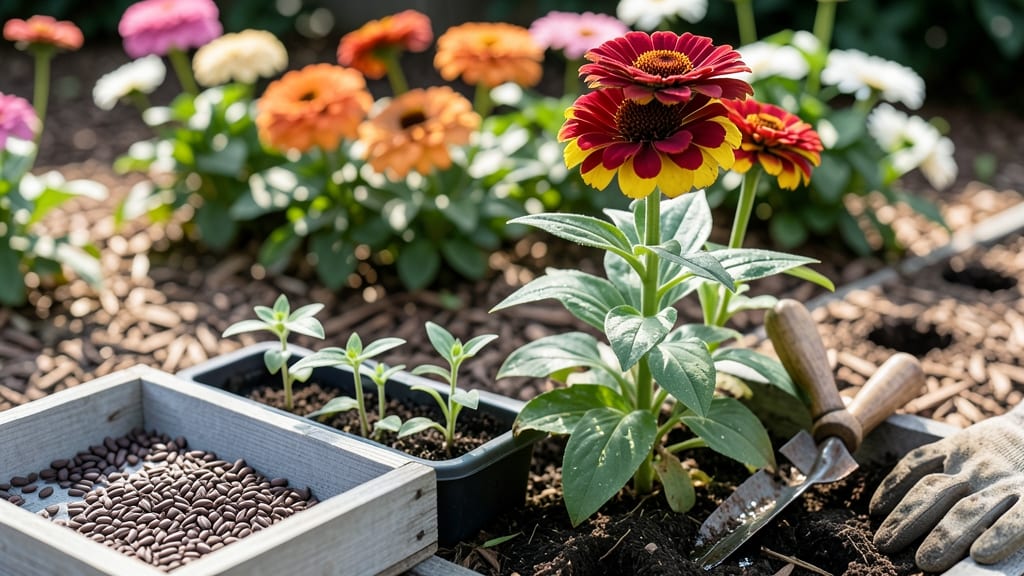
Growing zinnias from seed to bloom is the fastest way to turn a patch of soil into a riot of color—60 days flat if you follow the right steps. 🌻 I’ve grown these sun-loving annuals for years, and the secret isn’t complicated: it’s all about timing, sunlight, and a little deadheading.
Skip the fancy tools; all you need is patience and a sunny spot. The magic starts with direct sowing in warm soil—no need for indoor starts unless you’re in a cool climate.
Plant seeds just ¼-inch deep, 6–12 inches apart, and water gently to keep the soil moist (not soggy). Within 5–10 days, you’ll see those first tiny leaves pushing through, and by week 6, you’ll be pinching back leggy stems to encourage bushier plants.
By mid-summer, you’ll have a nonstop parade of blooms in every color imaginable—reds that pop, yellows that glow, and purples that fade into twilight. The key to keeping them flowering? Snip off spent blooms daily (yes, really) and feed them every 3–4 weeks with a balanced fertilizer.
No fuss, just bold, cheerful flowers that last until frost. Works in containers, raised beds, or in-ground gardens—just give them 6+ hours of sun daily and well-draining soil. Here’s how to make it happen without a single wilted petal in sight.
📚 In This Guide
- What you need
- Instructions
- Tips and common mistakes
- Wrapping up and next steps
What you need
- ● Zinnia seeds – Choose a variety (e.g., Benary’s Giant, Profusion, or Crystal) based on your climate and color preferences. A small packet (typically 50–100 seeds) is plenty for beginners.
- ● Seed-starting mix – A lightweight, well-draining potting soil (avoid garden soil—it’s too dense). A 10-quart bag works for 6–12 plants.
- ● Containers – 4–6-inch pots (biodegradable or plastic) or a seed tray with cells. Ensure they have drainage holes!
- ● Grow lights or sunny windowsill – Zinnias need 6–8 hours of light daily. A 12–18-inch LED grow light is ideal for indoor starts.
- ● Watering can or spray bottle – Keep soil consistently moist (not soggy) during germination.
- ○ Fertilizer – A balanced 10-10-10 or 5-10-10 liquid fertilizer (diluted to half-strength) for seedlings. Optional: Slow-release granules for transplanting.
- ● Plant labels – Mark varieties to track growth (e.g., Zinnia ‘Double Click’). Use popsicle sticks or metal tags.
- ● Pruning shears – For deadheading spent blooms (encourages more flowers!). A sharp, small pair works best.
- ● Garden gloves – Protects hands from thorns on some varieties (e.g., Zinnia ‘Crystal’).
- ● Transplanting tool – A small trowel helps move seedlings without damaging roots.
- ○ Optional: Mulch (straw or shredded leaves) to retain soil moisture and suppress weeds.
- ○ Optional: Support stakes (6–12 inches tall) for taller varieties like Benary’s Giant (up to 4 feet!).
- ● A warm, sunny spot (zinnias thrive in full sun—6+ hours daily).
- ● Patience – Germination takes 7–14 days in ideal conditions (70–75°F soil temp).
- ● Consistency – Zinnias love regular watering (1 inch per week) but hate soggy roots.
Step-by-Step instructions for growing zinnias from seed to bloom
Here’s how I get vibrant zinnias from seed to full bloom in just two months—with minimal fuss.
🌱 Step 1: Start Seeds Indoors 6-8 Weeks Before Last Frost
Fill small seedling trays with sterile seed-starting mix and moisten it until damp but not soggy. Zinnia seeds are tiny, so I use a toothpick to place 1-2 seeds per cell, pressing them just below the soil surface—about ¼ inch deep. Cover lightly with extra mix to protect them.
Place the tray in a warm spot (70-75°F) with bright light. A seedling heat mat speeds germination, but a sunny windowsill works too. Keep the soil consistently moist—you’ll see sprouts in 5-10 days. Real talk: If you forget to water, the seeds won’t rot overnight, but they’ll dry out faster than you think.
☀️ Step 2: Harden Off Seedlings Before Transplanting
Once seedlings have 2-3 true leaves (not the first tiny cotyledons), start hardening them off. Move trays outside for 1-2 hours daily in a sheltered spot, gradually increasing time over 7-10 days. This toughens stems so they don’t flop when planted.
Watch for leggy growth—if stems stretch too tall, they’ve stretched for light. If this happens, bury them deeper when transplanting. Zinnias are forgiving, but strong seedlings bloom faster. I always transplant on a cloudy day to reduce shock.
🪴 Step 3: Plant Outdoors in Full Sun
Choose a spot with 6+ hours of direct sun daily—zinnias won’t bloom without it. Space seedlings 6-12 inches apart, depending on variety (dwarf zinnias need less space). Dig holes just deep enough to cover the roots, then water deeply to settle the soil.
Here’s the thing—zinnias hate wet feet. If your soil drains poorly, mix in compost or sand to improve drainage. Mulch around plants with 1-2 inches of straw to retain moisture and suppress weeds. You’ll see new growth within a week if conditions are right.
💧 Step 4: Water and Fertilize for Continuous Blooms
Water zinnias at the base 1-2 inches deep per week, letting the soil dry between waterings. Overhead watering can cause mildew, so aim for the roots. Once flowers start forming, feed them with a balanced liquid fertilizer every 2-3 weeks to encourage more blooms.
Deadhead spent flowers by pinching them off at the base. This might seem tedious, but it keeps zinnias producing new blooms all season. I do this every 2-3 days during peak bloom—it’s the secret to nonstop color.
✂️ Step 5: Enjoy Bold Blooms and Save Seeds
Zinnias typically bloom 60-70 days after planting, but some varieties like ‘Benary’s Giant’ take longer. Cut flowers in the morning for the longest vase life—just snip stems at a 45-degree angle. Leave a few plants to go to seed for next year’s garden.
To save seeds, let a few flowers mature fully. The seed heads will dry and split open—collect them before they scatter. Store seeds in a cool, dry place for up to 2 years. You’ll have a head start next season, and your garden will keep getting better.
Tips & tricks for growing vibrant zinnias
A few simple strategies that'll help you skip the common pitfalls and get those bold zinnias blooming faster.
Light Matters: Zinnias need bright light to thrive, but too much direct sun during the seedling stage can scorch them. In Step 1, place your seedling trays near a south-facing window or under grow lights for 12-14 hours daily. If using a sunny windowsill, rotate the trays every 2-3 days so all seedlings get even light exposure. Uneven lighting causes leggy growth, which weakens stems and delays blooming.
Seedling Strength: When hardening off in Step 2, don't rush the process. Start with just 1 hour outside on day one, then gradually increase time by 30 minutes daily. Watch for signs of stress like wilting or yellowing leaves—these mean your seedlings need more time to adjust. Stronger seedlings handle transplanting better and bloom faster. I've seen zinnias that didn't harden properly take 2 weeks longer to recover and start flowering.
Sun and Soil Secrets: In Step 3, don't skimp on the sun—zinnias need that 6+ hours daily to produce vibrant blooms. If your garden spot gets afternoon shade, choose heat-tolerant varieties like 'Profusion' or 'Benary's Giant' that handle partial shade better. For soil prep, mix in 1 part compost to 3 parts garden soil to give your zinnias a nutrient boost without overfeeding them. Too much fertilizer can actually reduce flowering.
Watering Wisdom: The 1-2 inches per week watering guideline in Step 4 works best when watered deeply at the base. Use a moisture meter or stick your finger 1-2 inches into the soil—if it's dry, it's time to water. Overhead watering can spread fungal diseases, so aim for the soil instead. I've found that watering in the early morning gives plants time to dry out during the day, preventing mildew that can ruin your blooms.
Pro Tips for Zinnias From Seed To Bloom
- A few simple strategies that'll help you skip the common pitfalls and get those bold zinnias blooming faster.
- Light Matters: Zinnias need bright light to thrive, but too much direct sun during the seedling stage can scorch them...
- Seedling Strength: When hardening off in Step 2, don't rush the process. Start with just 1 hour outside on day one, t...
Frequently asked questions
Got questions about growing zinnias from seed? You’re not alone! Here are answers to the most common queries—because even the easiest flowers deserve a little extra know-how.
How long does it take for zinnia seeds to germinate?
Zinnia seeds typically sprout in 5–10 days after planting, given warm soil (at least 60°F) and consistent moisture. For faster results, pre-soak seeds overnight or use a heat mat. Patience pays off—just don’t overwater once they pop up!
Can I plant zinnias in fall for spring blooms?
Yes! Plant seeds 6–8 weeks before your first frost in fall for spring blooms. Zinnias are frost-sensitive, so aim for a location where they can overwinter in mild climates (Zones 9–11). In colder areas, treat them as annuals and replant next spring.
Why aren’t my zinnia seeds sprouting? Troubleshooting tips.
Check these common issues:
- Cold soil: Zinnias need warmth (60°F+) to germinate. Try a seedling heat mat or wait for warmer temps.
- Too deep: Plant seeds only ¼ inch deep—burying them deeper suffocates sprouts.
- Old seeds: Viability drops after 1–2 years. Test a few seeds in damp paper towels to confirm.
- Poor drainage: Seeds rot in soggy soil. Use well-draining pots or raised beds.
Do zinnias need full sun? What if my garden is shady?
Zinnias thrive in full sun (6+ hours/day), but they’ll tolerate partial shade (3–6 hours)—though blooms may be smaller. In shady spots, choose shorter varieties like ‘Thumbelina’ and space plants closely to prevent legginess. Avoid deep shade!
How do I keep zinnias blooming all season?
Deadhead spent blooms weekly to encourage new flowers. Also:
- Fertilize lightly with balanced 10-10-10 at planting, then again mid-season.
- Water at the base (not leaves) to prevent mildew.
- Pinch back young plants to encourage bushier growth.
Wrapping up and next steps
Growing zinnias from seed to bloom is a rewarding journey that brings vibrant color to your garden in just 60 days—with minimal effort! You’ve learned how easy it is to cultivate these cheerful blooms, from selecting the right seeds to nurturing them with simple care.
Whether you’re a beginner or a seasoned gardener, zinnias prove that stunning results don’t require complicated steps.
Now that you’re ready to dive in, grab your seeds, pick a sunny spot, and let nature do the rest! For extra inspiration, explore zinnia varieties or try pairing them with complementary flowers. Happy planting—your garden will thank you! 🌸