
Propagation
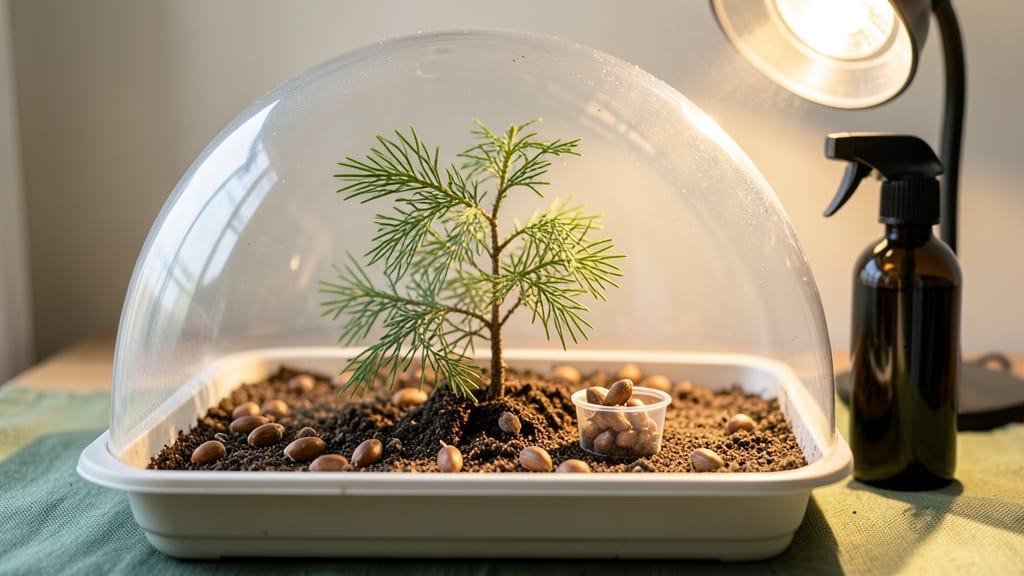
Bald cypress seed germination demands cold stratification—without it, you’ll stare at dry husks for years. 🌱 I’ve cracked the code after three failed attempts: soak seeds overnight, then chill them for 60 days in a damp paper towel. The key is patience—these ancient seeds move at their own pace. You’ll need a sealed plastic bag, a refrigerator, and a spray bottle for moisture checks. After stratification, plant seeds ¼-inch deep in a well-draining mix (equal parts perlite and peat moss). Keep the soil damp but never soggy—cypress roots hate suffocation. Germination takes 4-12 weeks, with some seeds waiting until spring. When sprouts appear, move them to bright indirect light and avoid transplant shock. The first true leaves signal it’s time to harden off before outdoor planting. This method works for both wild-collected seeds and nursery purchases. The payoff? Fast-growing trees with stunning fall color—worth every month of waiting.
📚 In This Guide
- What you need
- Instructions
- Tips and common mistakes
- Wrapping up and next steps
What you need
- ● Bald cypress seeds: 10–20 fresh, viable seeds (ensure they’re plump and free of damage). Pro tip: 💡 Collect seeds from mature cones (brown and brittle) in late fall/winter.
- ● Germination medium: Option 1: 1–2 cups of peat moss (sterilized, moistened to ~60% moisture).
- ● Option 2: 1–2 cups of sphagnum moss (pre-moistened, pH 5.0–6.0).
- ● Option 3: 1–2 cups of perlite/pumice mix (50/50 ratio) for drainage.
- ● Containers: 1–2 small plastic seed trays (with drainage holes) or
- ● 1–2 paper towels (for the "wet paper towel" method).
- ● Cold stratification setup: 1 refrigerator (set to 34–40°F / 1–4°C).
- ● 1 ziplock bag (resealable, quart-sized) or 1 airtight container (with ventilation holes if using peat moss).
- ● Spray bottle (for gentle moisture control).
- ○ Fine-mesh screen (optional, for separating seeds from medium).
- ○ Thermometer (optional, to monitor fridge temps).
- ○ Grow lights (optional, for post-stratification light exposure).
- ○ Humidity dome (optional, to retain moisture during germination).
- ● Patience: Bald cypress seeds need 60–90 days of cold stratification!
- ● Consistency: Check moisture levels weekly (medium should stay damp, not soggy).
- ● Sterile environment: Disinfect tools/containers with 10% bleach solution (rinse well) to prevent mold.
Step-by-Step instructions for germinating bald cypress seeds
Cold stratification is the secret to breaking dormancy—here's how I do it reliably.
🌱 Step 1: Collect and Prepare the Seeds
Harvest mature bald cypress cones when they turn brown and open naturally, usually in late fall or winter. Gather seeds from the cones and remove any debris or damaged seeds. I spread them on a paper towel to dry for 24 hours at room temperature—this prevents mold during stratification.
Store the clean seeds in a sealed container with a damp paper towel at the bottom. The towel should feel slightly moist, like a wrung-out sponge. This mimics the natural moisture seeds experience in winter soil. Label the container with the date and variety if known.
⏰ Step 2: Cold Stratify for 60-90 Days
Place the container in your refrigerator's crisper drawer where temperatures stay between 34-40°F. This cold period mimics winter conditions and breaks seed dormancy. Check the seeds every 2 weeks—they should remain moist but not soggy.
If you notice any mold growth, discard those seeds immediately and start fresh with new ones. I like to give the container a gentle shake once a week to redistribute moisture evenly. After 60-90 days, the seeds should be ready for planting—you'll see slight swelling or cracking in some cases.
🪴 Step 3: Plant Stratified Seeds in Moisture-Retentive Medium
Fill small pots or seed trays with a mix of 50% peat moss and 50% perlite—this lightweight blend drains well while retaining enough moisture. Plant the stratified seeds ¼ inch deep, spacing them about 1 inch apart in the tray.
Water gently until the surface feels evenly damp but not wet. Cover the tray with clear plastic wrap to create a greenhouse effect, which helps maintain humidity. Place the tray in a warm, bright location—70-75°F is ideal—where it gets indirect light.
☀️ Step 4: Provide Warmth and Light for Germination
Germination typically begins in 2-4 weeks, but be patient—some seeds may take up to 8 weeks. Keep the soil consistently moist by misting lightly every 2-3 days or when the top layer feels dry. Remove the plastic wrap once you see the first sprouts emerging.
Move the tray to a sunny windowsill or under grow lights once seedlings appear. Bald cypress seedlings need bright, indirect light to prevent leggy growth. You'll know they're getting enough light when the new leaves are dark green and compact.
🌿 Step 5: Transplant Seedlings to Individual Pots
When seedlings reach 3-4 inches tall and have developed their first true leaves, transplant them to 4-inch pots filled with a mix of 60% potting soil and 40% sand. Handle the seedlings carefully—bald cypress roots are delicate and can break easily.
Water the transplanted seedlings thoroughly and place them in a location with partial shade for the first week. Gradually introduce them to more sunlight over the next 2 weeks to harden them off. Keep the soil consistently moist but never waterlogged during this transition period.
Tips & tricks for perfect bald cypress seed germination
Cold stratification might sound intimidating, but these simple tricks make it foolproof—especially for first-timers.
Moisture Balance is Key: The damp paper towel in Step 1 should feel like a wrung-out sponge—never dripping wet. Too much moisture causes mold, while too little prevents germination. I test by squeezing gently: one drop should release when pressed. If you see condensation inside the container, open it for 30 minutes to air out.
Temperature Consistency Matters: Your fridge's crisper drawer should stay between 34-40°F consistently. If your fridge runs hotter, move the container to the coldest section or place it on the bottom shelf. I've seen seeds fail when placed near the door where temps fluctuate. Pro tip: Use a small thermometer inside the container for the first week to confirm stability.
Visual Cues for Readiness: After 60-90 days of stratification, look for these signs: seeds should appear slightly plump, and some may develop a tiny crack along the edge. If you see mold, discard those seeds immediately—they won't germinate. Healthy seeds will feel firmer than before stratification.
Lighting Strategy for Seedlings: When moving seedlings to light in Step 4, position them within 6 inches of a south-facing window or under grow lights for 12-14 hours daily. I use a simple LED grow bulb that costs under $20—it makes all the difference for preventing leggy growth. Rotate the tray weekly so all seedlings get even light exposure.
Pro Tips for Bald Cypress Seed Germination
- Cold stratification might sound intimidating, but these simple tricks make it foolproof—especially for first-timers.
- Moisture Balance is Key: The damp paper towel in Step 1 should feel like a wrung-out sponge—never dripping wet. Too m...
- Temperature Consistency Matters: Your fridge's crisper drawer should stay between 34-40°F consistently. If your fridg...
Frequently asked questions
about bald cypress seed germination—your quick guide to troubleshooting and success!How long does cold stratification take for bald cypress seeds?
Cold stratification typically takes 60–90 days for bald cypress seeds. Place them in a moist, chilled environment (34–41°F) to mimic winter conditions. Patience is key—some seeds may sprout sooner, while others need the full cycle. Monitor moisture levels to avoid mold or drying.
Can I germinate bald cypress seeds without cold stratification?
While possible, cold stratification dramatically improves germination rates (from ~20% to 70%+). If skipping it, soak seeds in warm water for 24–48 hours first, then plant in a warm, humid environment. However, expect slower and less reliable results compared to the cold method.
What’s the best temperature for germinating bald cypress seeds after stratification?
After stratification, maintain a warm, consistent temperature of 70–75°F for optimal germination. Use a heat mat or place pots in a sunny window. Avoid fluctuations—cold snaps can stall sprouting. A humidity dome or plastic wrap helps retain moisture during this critical phase.
Why aren’t my bald cypress seeds sprouting after stratification?
Common culprits include dry soil, improper moisture, or incorrect timing. Double-check that seeds are evenly moist (not soggy) and kept in darkness until germination. If using a mix, ensure it’s well-draining. If seeds are old (>1 year), viability drops—test freshness with a float test (viable seeds sink).
Can I direct-sow bald cypress seeds outdoors in fall?
Yes! Fall sowing mimics natural conditions—plant seeds 1/4 inch deep in moist, well-drained soil before the first frost. Mulch lightly to retain moisture. Seeds will stratify naturally over winter and sprout in spring. This method works best in USDA Zones 4–9, where winters are cold enough for stratification.
Wrapping up and next steps
Growing bald cypress from seed is a rewarding journey—with patience and the right techniques like cold stratification, you’ll unlock the potential for healthy, thriving saplings. 🌱 Remember, consistency in moisture, temperature, and light is key to breaking dormancy and encouraging those first sprouts.
Once your seeds germinate, don’t stop there: transplant them into well-draining soil and give them the love they need to mature into stunning, resilient trees.
Your next step? Start small—test a few seeds this season, refine your method, and soon you’ll be sharing your success (or troubleshooting tips) with fellow plant enthusiasts. Happy growing!