
Propagation
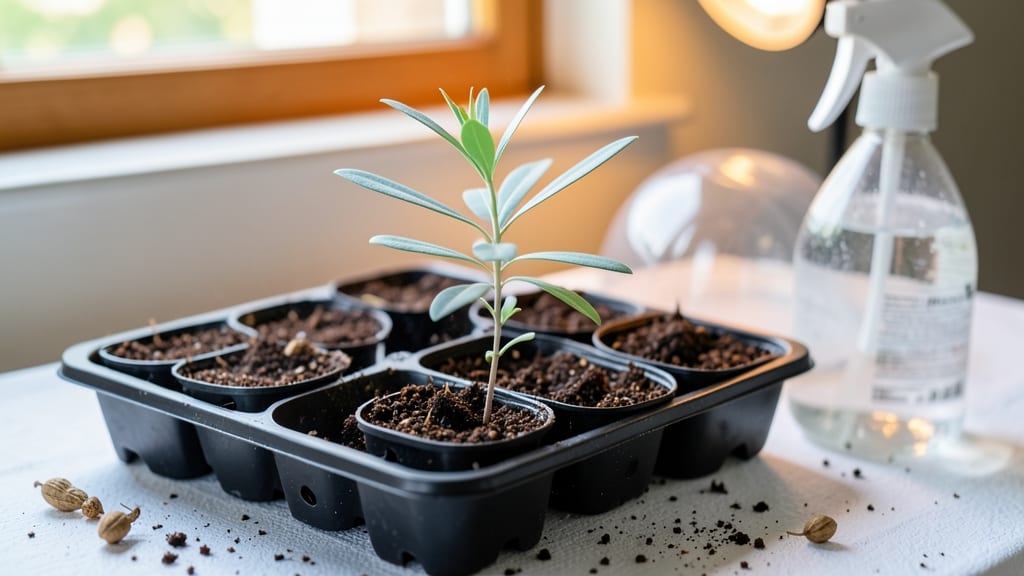
The eucalyptus seed germination trick I learned after watching my first batch of seeds sit dry and lifeless for months is all about recreating their natural conditions. 🌱 The secret isn’t fancy equipment; it’s replicating what these Australian natives need before they’ll even think about sprouting.
Most gardeners overlook this step, and that’s why germination rates often stay disappointingly low.
Start by soaking your seeds in water for 24 hours—this softens the tough outer shell. Then, place them in a moist paper towel inside a sealed plastic bag and refrigerate for 4-6 weeks.
This mimics winter rains in their native habitat, tricking them into thinking spring has arrived. Patience pays off here; the cold period is non-negotiable for reliable results.
Once you remove them from the fridge, plant the seeds just below the soil surface in a well-draining mix—eucalyptus hates soggy roots. Keep the soil consistently moist (not wet) under bright, indirect light, and expect tiny sprouts to appear in 2-4 weeks.
The first leaves will look like miniature versions of the adult plant, and within months, you’ll have a thriving seedling ready for its forever home.
This method works for all eucalyptus varieties, from towering gum trees to compact dwarf types. The key is consistency—don’t let the soil dry out during germination, and avoid direct sun until the seedlings are established.
With this approach, you’ll go from zero to sprouts in just a few short weeks, no black thumb required.
📚 In This Guide
- What you need
- Instructions
- Tips and common mistakes
- Wrapping up and next steps
What you need
- ● Eucalyptus seeds – 10–20 seeds (fresh or stored properly for best results).
- ● Germination tray or small pots – 3–4 inch diameter (1–2 per seedling).
- ● Seed-starting mix – 1–2 cups of sterile, well-draining potting soil (cactus/succulent mix works well).
- ● Spray bottle – For gentle moisture application (avoid oversaturating!).
- ● Plastic wrap or humidity dome – To create a mini greenhouse effect.
- ● Small plastic bag or container – For the cold moisture trick (see instructions!).
- ● Water – Room-temperature or slightly warm (not hot!).
- ● Grow lights or sunny windowsill – 12+ hours of indirect light daily.
- ○ Heating mat – Optional for faster germination (70–75°F ideal).
- ● Fertilizer – Balanced liquid fertilizer (diluted to ½ strength) for seedlings.
- ● Label markers – To track seed varieties if experimenting.
- ● Tweezers – For delicate seed placement.
Step-by-step instructions for germinating eucalyptus seeds
This cold-moisture method guarantees reliable germination—no more waiting months for stubborn eucalyptus seeds to sprout.
🌱 Step 1: Prepare Seeds with the Cold Moisture Trick
Eucalyptus seeds have a hard outer shell that blocks water, so we need to soften it first. Place your seeds in a small bowl and cover them completely with lukewarm water. Let them soak for 24-48 hours, stirring gently once or twice daily to ensure even exposure. You'll know it's working when the water takes on a faint brown tint—this means the seed coats are breaking down.
After soaking, drain the water and rinse the seeds thoroughly. Then, wrap them in a damp paper towel and place the bundle inside a sealed plastic bag. Store this in your refrigerator for 4-6 weeks. The cold, moist environment mimics natural winter conditions and signals the seeds to break dormancy. Check weekly to ensure the towel stays damp but not soggy—condensation inside the bag is your visual cue that moisture levels are perfect.
💧 Step 2: Sow Seeds in Sterile, Well-Draining Medium
Fill small seed-starting trays or individual pots with a mix of 50% sterile potting soil and 50% perlite or coarse sand. This ensures excellent drainage, which eucalyptus seedlings desperately need. Moisten the mix until it's damp but not dripping, then create shallow furrows about ¼ inch deep using your finger or a small stick. Space the seeds ½ inch apart in the furrows—I like to use a toothpick to place them precisely without disturbing the soil surface.
Cover the seeds lightly with a thin layer of the same mix, just enough to hide them but not bury them deeply. Press gently to ensure good soil-to-seed contact. Place the trays in a warm, bright location where temperatures stay between 65-75°F. A seedling heat mat set to 70°F speeds up germination significantly, especially if your home runs cooler. Mist the soil lightly with water to settle it around the seeds, but avoid soaking it—eucalyptus hates soggy conditions at this stage.
☀️ Step 3: Provide Humidity and Indirect Light
Cover the trays with clear plastic wrap or a humidity dome to retain moisture and warmth. Eucalyptus seeds germinate best in high humidity, and this simple step prevents the soil from drying out too quickly. Place the trays under bright, indirect light—a south-facing window with sheer curtains works well. Direct sunlight at this stage can scorch the tiny seedlings before they even emerge.
Check daily for condensation on the plastic. If you see droplets forming, that's perfect. If the plastic fogs up completely, lift it for 10-15 minutes to allow fresh air circulation. Germination typically takes 3-6 weeks, but be patient—some seeds may take longer. You'll see the first signs of life when tiny green shoots push through the soil surface. Once 50% of seeds have sprouted, remove the plastic entirely to prevent fungal growth.
🌿 Step 4: Transplant and Harden Off Seedlings
When seedlings reach 2-3 inches tall and have developed their first set of true leaves (not the initial seed leaves), it's time to transplant. Gently remove each seedling, taking care to keep the root ball intact. Transfer them to individual 3-inch pots filled with a well-draining potting mix. Plant them at the same depth they were growing in the tray—burying too deeply can cause stem rot.
Place the pots in a shaded area outdoors or under a grow light for 1-2 weeks to acclimate. This hardening-off period prepares them for full sun exposure. Gradually increase their time outside each day, starting with just 1 hour on the first day. Watch for signs of stress like wilting or yellowing leaves—these indicate they're not ready for longer exposure yet. Once they tolerate 6+ hours of sun daily without wilting, they're ready for their permanent outdoor home.
Tips & tricks for perfect eucalyptus seed germination
This cold-moisture method might seem delicate, but a few key details make all the difference between success and frustration.
Seed Prep Precision: The 24-48 hour soak is non-negotiable for eucalyptus seeds—their hard shells need this time to soften. I've learned the hard way that skipping this step means waiting months for germination. Stirring gently twice daily ensures even water exposure, and that faint brown tint in the water confirms the seed coats are breaking down. If your seeds sink to the bottom immediately, they're ready for the next step—no need to extend the soak.
Cold Storage Strategy: The refrigerator's cold, moist environment is crucial for breaking dormancy, but consistency matters. Place your sealed bag on a middle shelf where temps stay steady around 40°F. I've found that storing near the crisper drawer (which is cooler) works best. Check weekly by gently pressing the paper towel—it should feel damp like a wrung-out sponge, not dripping wet or completely dry.
Medium Mix Matters: That 50/50 soil-perlite mix isn't just arbitrary—it's about drainage. Eucalyptus seedlings despise soggy conditions, and perlite prevents compaction while allowing roots to breathe. When creating those ¼-inch furrows, use a toothpick to make precise indentations without disturbing the soil surface. This keeps seeds at the perfect depth for even moisture uptake without risking stem rot.
Lighting Insight: Bright, indirect light is non-negotiable during germination. I've seen seedlings scorch under direct sun within hours—they're too delicate at this stage. A south-facing window with sheer curtains provides ideal conditions. If you notice leaves curling or turning yellow, it's a sign of too much direct exposure. For indoor growers, a simple LED bulb with a cool white spectrum (around 5000K) works perfectly for maintaining that gentle light intensity.
Pro Tips for Eucalyptus Seed Germination
- This cold-moisture method might seem delicate, but a few key details make all the difference between success and frustration.
- Seed Prep Precision: The 24-48 hour soak is non-negotiable for eucalyptus seeds—their hard shells need this time to soften.
- Cold Storage Strategy: The refrigerator's cold, moist environment is crucial for breaking dormancy, but consistency matters.
Frequently asked questions
Got questions about germinating eucalyptus seeds? You’re not alone—this process can be tricky! Here are some common concerns and straightforward answers to help you succeed.
How long does it take for eucalyptus seeds to germinate?
Eucalyptus seeds typically germinate in 4 to 12 weeks, depending on the species and conditions. The cold-moisture stratification trick speeds this up by mimicking natural winter conditions. Patience is key—some seeds may take longer, especially if they’re older or stored improperly. Keep the soil consistently moist and warm (around 70–75°F) to encourage faster sprouting.
Do I need to refrigerate eucalyptus seeds before planting?
Yes! The cold-moisture trick is essential for breaking eucalyptus seeds’ dormancy. Place them in a sealed container with damp paper towels or peat moss, then refrigerate for 4–8 weeks. This mimics winter conditions and signals the seeds to germinate. Skipping this step often results in poor or delayed germination.
Can I use regular potting soil for eucalyptus seeds?
While you can use regular potting soil, eucalyptus seeds thrive best in a light, well-draining mix. A blend of 50% peat moss or coconut coir and 50% perlite or sand works well. Avoid heavy soils that retain too much moisture, as eucalyptus seeds are prone to rot. Sterilize the mix to prevent fungal issues.
What do I do if my eucalyptus seeds aren’t germinating?
If seeds remain dormant after 3 months, try these fixes:
- Check viability: Test a few seeds by scratching the outer shell—if it’s hard and unbroken, they may still be viable.
- Adjust moisture: Overly dry or soggy conditions can stall germination. Aim for consistently damp (not waterlogged) soil.
- Try heat: Some species need warmth (75–80°F) after stratification. Use a seedling heat mat if your home is cool.
- Fresh seeds: Older seeds (over 1 year) may have lower viability. Source new seeds if possible.
Can I grow eucalyptus from cuttings instead of seeds?
Eucalyptus cuttings often root more reliably than seeds, especially for mature varieties. Use semi-hardwood cuttings (about 4–6 inches long) from healthy branches. Dip in rooting hormone, plant in perlite or sand, and keep humid. Roots typically form in 4–8 weeks. This method is faster and preserves the parent plant’s traits.
Wrapping up and next steps
Mastering eucalyptus seed germination with the cold moisture trick is all about patience and precision—but the rewards are worth it! 🌱 Whether you’re a seasoned gardener or a curious beginner, these steps unlock the potential of your eucalyptus seeds, giving you a head start on lush, thriving plants.
Now that you’re armed with the right techniques, it’s time to take the next step: experiment with different seed varieties or scale up your setup for a mini eucalyptus grove!
💡 Pro Tip for Success
Keep a germination journal! Track moisture levels, temperature shifts, and sprout timelines to refine your method—and share your wins with fellow plant enthusiasts. Happy growing! 🌿