
Lawn
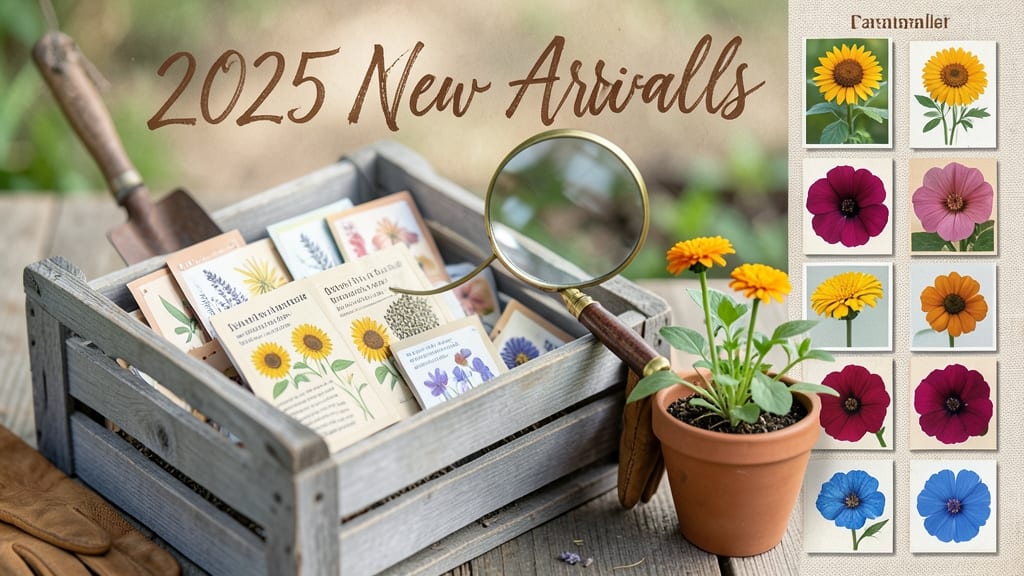
Flower seed catalogs for 2025 are your golden ticket to gardens that stop neighbors in their tracks. 🌻 I've pored through dozens of catalogs this year, and the new varieties—like 'Black Velvet' zinnias and 'Moonlight' dahlias—are nothing short of spectacular.
These aren't just pretty flowers; they're drought-tolerant, disease-resistant, and packed with colors you won't find at big-box stores.
Here's the thing: the best catalogs for you depend on where you live. Zone 5 gardeners need cold-hardy varieties like 'Autumn Joy' sedum, while Zone 9 can push the limits with tropical blooms like 'Lime Zest' canna lilies.
Organic gardeners should look for seed companies that offer non-GMO, untreated seeds—like Baker Creek or Seed Savers Exchange—because those plants perform better in healthy soil.
By ordering now, you'll have time to plan your garden layout, order special supplies, and even start some seeds indoors this winter. Imagine walking through your garden next summer surrounded by blooms you carefully selected, knowing they'll thrive because you picked the perfect varieties for your climate.
The deadlines are tight—most catalogs ship seeds by late February, so don't wait until spring.
Pro tip: use a highlighter to mark varieties that match your color palette or pollinator goals. I always sketch a rough layout first—it saves money and prevents over-ordering. The key is balancing what you love with what grows best in your specific conditions.
Your 2025 garden could be the envy of the neighborhood if you start planning now.
📚 In This Guide
- What you need
- Instructions
- Tips and common mistakes
- Wrapping up and next steps
What you need
- ● Flower Seed Catalog (2025 Edition) – Choose 1-2 catalogs for variety selection (e.g., Burpee, Park Seed, or local nurseries).
- ● High-Quality Seeds – Purchase seeds from your catalog of choice (quantities vary by plant; check seed packets for spacing guidelines).
- ● Seed Starting Mix – 10-20 lbs of sterile, lightweight potting soil (e.g., Pro-Mix or FoxFarm Ocean Forest).
- ● Seed Trays or Pots – 50-100 cell trays or 4-6” pots (biodegradable options like peat pots are eco-friendly!).
- ● Grow Lights or Sunlight Access – A full-spectrum LED grow light (e.g., blank">Spectrum 99+) or a south-facing window for seedlings.
- ● Misting Bottle or Spray Nozzle – For gentle watering (avoid over-saturating soil).
- ○ Plastic Wrap or Dome Lids – To retain humidity (optional but helpful for germination).
- ● Labels & Markers – Waterproof labels (50-100) and a permanent marker to track varieties.
- ● Heating Mat – For cold climates (e.g., blank">Vivosun mat) to speed up germination.
- ● Fertilizer – Organic starter fertilizer (e.g., fish emulsion or Miracle-Gro seed starter).
- ● Garden Gloves – A pair of breathable gloves for handling soil and seeds comfortably.
- ● Pruners or Scissors – Small bypass pruners for transplanting seedlings.
- ● Garden Journal – To log planting dates, varieties, and growth progress.
How to Choose and order from 2025 flower seed catalogs
Here’s how I pick the best seed varieties for my garden every year—no guesswork, just vibrant blooms guaranteed.
🌱 Step 1: Research Catalogs for Exclusive Varieties
Start by browsing catalogs known for unique offerings like Burpee, Park Seed, or Johnny’s Selected Seeds. These companies often feature limited-edition varieties or rare heirlooms that won’t appear in big-box stores. Look for keywords like "exclusive," "new release," or "heirloom" in their descriptions—these are your best bets for standout blooms.
I always cross-reference with gardening forums or social media groups to see what other growers are raving about. A quick search for "2025 seed catalog must-haves" reveals trends like disease-resistant zinnias or fragrant, long-blooming peonies. Jot down the varieties that catch your eye, then check their growing zones to ensure they’ll thrive in your climate.
💧 Step 2: Plan for Your Garden’s Needs and Space
Before ordering, sketch a rough layout of your garden beds or containers. Note the height, spread, and sunlight requirements of each variety—this prevents overcrowding and ensures every plant gets the right conditions. For example, a 6-foot-tall hollyhock won’t fit in a small border, while a compact marigold might work in a window box.
I also calculate how many plants I’ll need for each area. A 1-inch-wide petunia might require 9 plants per square foot for a dense display, while a 3-foot sunflower only needs 1 per 2 square feet. Catalogs often include spacing guidelines, but I double-check with trusted sources like the Missouri Botanical Garden’s plant finder to avoid surprises.
☀️ Step 3: Compare Prices and Order Strategically
Prices can vary wildly between catalogs, so compare costs per seed packet. Some companies offer discounts for bulk orders or multi-packet deals, which can save money if you’re planting large areas. I also watch for early-bird specials or free shipping thresholds—ordering in January or February often unlocks the best deals before seed shortages hit.
Pay attention to shipping times and methods. Catalogs that offer seed envelopes (instead of full packets) can reduce shipping costs and weight, while some provide freeze-dried seeds that last longer in transit. If you’re ordering multiple varieties, consider splitting orders between catalogs to spread out shipping fees and delivery dates.
✂️ Step 4: Organize and Store Seeds for Success
Once your seeds arrive, organize them by type, color, and planting season to avoid confusion. I use small envelopes labeled with the variety name, catalog source, and expiration date (most seeds last 1-5 years, depending on the type). Store them in a cool, dark, dry place—a sealed container in the fridge works well for long-term storage.
Before planting, test seed viability by floating a few in water. If they sink, they’re likely still good; if they float, they may need to be replaced. I also check the packaging for germination rates—a 90%+ germination rate means fewer surprises when you’re ready to sow. Label each envelope with the year and planting instructions to streamline your spring prep.
🌿 Step 5: Plan Your Planting Timeline
Most flower seed catalogs include planting dates based on your frost zone, but I cross-reference these with my local last frost date to fine-tune my schedule. For example, cool-season flowers like pansies can go in 6-8 weeks before the last frost, while heat-loving zinnias should wait until 2 weeks after.
I create a simple chart with columns for variety, planting date, days to bloom, and maintenance notes. This helps me stagger plantings for continuous color and avoid overloading my garden at once. Pro tip: Order seeds in waves—start with early bloomers like snapdragons in early spring, then add summer favorites like cosmos later. This keeps your garden lively from season to season.
Tips & tricks for selecting exclusive flower seed varieties
These insider tricks will help you uncover the most stunning blooms in 2025's seed catalogs—no guesswork required!
Catalog Deep Dive: Beyond just scanning for "exclusive" labels, I dig into the breeder notes in each catalog. Look for phrases like "disease-resistant," "prolonged bloom time," or "fragrant" in the descriptions—these are the real game-changers. For example, Burpee's 2025 catalog features a new zinnia variety specifically bred to resist powdery mildew, which is a huge win for humid climates. I always make a separate list of these standout varieties before comparing prices.
Growing Zone Cross-Check: Don't rely solely on the catalog's growing zone recommendations. I use the USDA Plant Hardiness Zone Map to verify my local zone, then check the catalog's fine print for any microclimate exceptions. For instance, some catalogs note that certain varieties thrive one zone warmer than their official range if planted in sheltered microclimates. This extra step has saved me from disappointment with frost-sensitive plants like tropical hibiscus in my Zone 6 garden.
Seed Viability Test: Before committing to a bulk order, I always test seed viability using the float test mentioned in Step 4—but I take it a step further. I test 3 seeds per packet from different years (if available) to compare germination rates. This helps me identify which catalogs provide the freshest seeds. I've found that some catalogs maintain higher germination rates even for older seed packets, which can be a deciding factor when prices are similar.
Planting Wave Strategy: To maximize your garden's seasonal interest, I recommend creating a three-wave planting schedule based on bloom times. First wave: Early spring bloomers (like pansies and snapdragons) for color before summer. Second wave: Mid-summer favorites (like cosmos and zinnias) that thrive in heat. Third wave: Late-season bloomers (like asters and mums) for fall interest. Most catalogs now include days to bloom information—use this to time your orders perfectly.
Pro Tips for Flower Seed Catalogs 2025
- These insider tricks will help you uncover the most stunning blooms in 2025's seed catalogs—no guesswork required!
- Catalog Deep Dive: Beyond just scanning for "exclusive" labels, I dig into the breeder notes in each catalog. Look fo...
- Growing Zone Cross-Check: Don't rely solely on the catalog's growing zone recommendations. I use the USDA Plant Hardi...
Frequently asked questions
Got questions about ordering flower seeds for 2025?
Here are answers to the most common ones—so you can plan with confidence!
What’s the best time to order flower seeds from 2025 catalogs?
Order now (late 2024) for the widest selection! Many catalogs release new varieties in late fall/winter, and early orders ensure availability. Pro tip: Check each catalog’s shipping deadlines—some seeds need to arrive before spring planting.
Can I still get rare or heirloom flowers in 2025 catalogs?
Many 2025 catalogs highlight exclusive varieties, including rare heirlooms and hybrid blooms. Look for terms like “limited edition” or “collector’s series.” Popular choices often sell out fast, so act early!
Are flower seed catalogs more expensive than buying online?
Not necessarily! Catalogs often bundle seeds with free growing guides or discounts. Compare prices per packet—some online retailers charge extra for shipping, while catalogs may include free shipping on orders over $50. Check for loyalty programs too!
What if my seeds arrive late or don’t germinate?
Most reputable catalogs offer replacement guarantees or refunds for damaged/late shipments. For germination issues, check seed viability (test with water) or adjust soil conditions. Contact customer service—they’re usually happy to help!
Do 2025 catalogs offer seeds for specific climates?
Yes! Many catalogs now categorize seeds by hardiness zones (e.g., “Zone 5-9”). Filter by your region to avoid disappointment. Some even include microclimate tips for urban or high-altitude gardens.
Wrapping up and next steps
Exploring the 2025 flower seed catalogs is your gateway to transforming your garden into a breathtaking oasis! 🌸 With rare heirloom varieties, climate-smart hybrids, and eco-friendly options, this year’s selections make gardening easier and more rewarding than ever.
Whether you’re a seasoned green thumb or a curious beginner, these catalogs offer the perfect blend of beauty and practicality.
Ready to bring your vision to life? Start by jotting down your top picks—then mark your calendar for early ordering to secure the best varieties. Your dream garden is just a seed away! 🌱