
Flowers
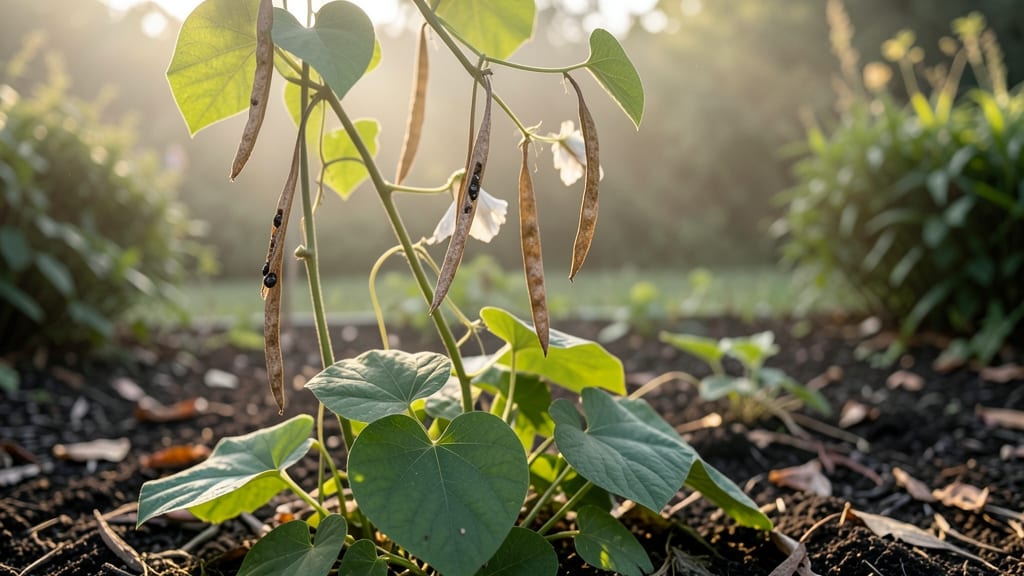
Moonflowers seed pods contain the magic for next year's garden—no twist, no fuss. 🌙 I learned the hard way that twisting dried pods ruins seeds, but there's a better way: harvest them whole, dry them properly, and store them until planting season.
The secret lies in patience and timing, and I'll show you exactly how to do it right.
You only need three things: sharp scissors, paper bags, and a cool, dark spot. Harvest pods when they turn brown and papery, about 2-3 weeks after flowering. Cut them carefully—don't crush them—and let them dry completely before storing.
This method keeps seeds viable for up to 3 years, so you'll never need to buy them again.
By next spring, you'll be sowing seeds that produce those iconic white blooms that open at night and close by dawn. The plants thrive in warm climates but can be grown as annuals in cooler zones, giving you a foolproof way to enjoy their dreamy beauty year after year.
Whether you're saving seeds for a moonflower collection or just want to share plants with friends, this zero-twist method works every time. Ready to unlock your own seed stash? Let's get started!
📚 In This Guide
- What you need
- Instructions
- Tips and common mistakes
- Wrapping up and next steps
What you need
- ● Moon flower (Ipomoea alba) plants: Mature plants with fully developed seed pods (ideally 3–5 plants for a good yield).
- ● Sharp pruning shears or garden scissors: Clean, sterilized tools to avoid damaging pods (1 pair).
- ● Paper bags or breathable mesh sacks: For drying pods (2–3 bags, 12"x12" minimum).
- ● Tray or drying rack: Elevated surface for airflow (e.g., wooden crate or wire rack).
- ● Labeling tags & permanent marker: To track seed varieties and harvest dates.
- ● Rubbing alcohol (70% isopropyl) & cotton swabs: For sterilizing tools and preventing mold.
- ● Glass jars or airtight containers: With lids for long-term seed storage (quart-sized, 2–4 jars).
- ○ Fine-mesh strainer (optional but helpful): For separating seeds from chaff during processing.
- ● Humidity pack: Silica gel packets to absorb excess moisture during drying.
- ● Seed viability testing kit: For checking germination rates post-harvest.
- ● Gloves (nitrile or cotton): To protect hands from sap or debris.
- ● Digital scale: For precise seed counting (if selling or trading).
- ● Notebook: To log growing conditions, pod development, and storage notes.
How to harvest moon flower seed pods without damaging viability
Skip the frustration of brittle stems—here’s my foolproof method for collecting seeds that stay fresh for years.
🌱 Step 1: Identify and Wait for Pod Maturity
Moon flowers (Ipomoea alba) produce seed pods that turn from green to tan or light brown when ready. Wait until pods feel papery and dry to the touch—they’ll rattle slightly when shaken. Harvesting too early means immature seeds that won’t germinate, while waiting too long risks them splitting open and scattering seeds prematurely.
Check pods in the late afternoon when they’re fully open. The seeds inside should look plump and dark, not shriveled. If you see moisture inside, wait another day—they’re not quite dry enough.
💧 Step 2: Gently Twist and Remove Pods
Use clean fingers or small pruning shears to avoid crushing the pods. Grasp the base of the pod and twist slowly in a circular motion—this detaches it cleanly without tearing stems. If the pod resists, it’s not fully mature yet. Place pods in a paper bag (not plastic) to prevent moisture buildup.
Work on a dry, sunny day when humidity is low. Wet pods take longer to dry and may develop mold. I like to harvest in the morning so pods have all day to dry naturally before storage.
☀️ Step 3: Dry and Store Seeds Properly
Spread the pods in a single layer on a tray lined with paper towels in a warm, dry place (around 70-75°F). Keep them out of direct sunlight—too much heat can scorch the pods and damage seeds inside. Stir or rotate pods daily to ensure even drying, which takes 7-10 days depending on humidity.
Once pods are completely dry and brittle, crack them open by hand or gently crush them with a rolling pin. Remove any debris or chaff, then store seeds in an airtight container (like a glass jar) in a cool, dark place. Label with the harvest date—seeds stay viable for 2-3 years this way.
⏰ Step 4: Test Germination Before Long-Term Storage
Before storing seeds long-term, test a few for viability. Plant 3-4 seeds in a small pot with moist potting mix, covering them ¼ inch deep. Keep the soil consistently moist (not soggy) and place in a warm spot (around 70°F). Germination should occur in 7-14 days—if fewer than half sprout, store the rest in the freezer for another year to extend viability.
If seeds germinate well, you’re ready for long-term storage. I like to split my harvest into two containers: one for immediate planting and one for backup seeds. This way, I always have fresh seeds on hand for next season’s moonlit garden.
Tips & tricks for perfect moon flower seed harvesting
Between us, the difference between viable seeds and wasted effort often comes down to these key details.
Timing Secret: The late afternoon check in Step 1 is your golden window—this is when pods are fully open and seeds are at peak dryness. I've learned the hard way that morning harvests often catch pods still holding dew, which can lead to mold during drying. If you must harvest earlier, collect pods and let them air out for a few hours before processing.
Harvest Day Wisdom: Aim for days with 40-50% humidity or lower—this is when pods dry fastest. I track weather apps for "low humidity alerts" during harvest season. If you're in a humid climate, consider harvesting in the early morning and bringing pods indoors to dry immediately with a fan on low setting.
Drying Strategy: That 7-10 day drying window in Step 3 can shrink dramatically with proper airflow. Place your drying tray near an open window with a gentle breeze (not direct sunlight) and use a small fan on the lowest setting to circulate air. I've cut drying time by nearly half using this method, especially in cooler climates where humidity lingers.
Storage Hack: For long-term viability, add a small packet of silica gel to your airtight container along with the seeds. This extra step prevents moisture buildup that can reduce germination rates over time. I label my containers with both the harvest date and "silica added" to track which batches have the best conditions.
Pro Tips for Moon Flowers Seed Pods
- Between us, the difference between viable seeds and wasted effort often comes down to these key details.
- Timing Secret: The late afternoon check in Step 1 is your golden window—this is when pods are fully open and seeds are at peak dryness.
- Harvest Day Wisdom: Aim for days with 40-50% humidity or lower—this is when pods dry fastest.
Frequently asked questions
Got questions about harvesting moon flower seed pods? You’re not alone! Here are some of the most common queries—and their answers—to help you master zero-twist harvesting like a pro.
When is the best time to harvest moon flower seed pods?
The ideal time is when the pods turn brown and start splitting open naturally—usually late summer to early fall. Harvest them in the morning after the dew dries to preserve seed viability. If pods stay green too long, they may not produce viable seeds!
How do I know if the seed pods are ready for harvesting?
Look for dry, papery pods that rattle when shaken (a sign seeds are inside). Press gently—if they crack easily, they’re ready! Avoid harvesting if pods are still firm or green, as seeds won’t be mature. Pro tip: Snap a pod open to check for plump, dark seeds.
Can I save moon flower seeds for next year, or do they need special storage?
Yes! Store dried seeds in a cool, dark place (like a sealed jar or envelope) for up to 2 years. Keep them away from moisture to prevent mold. Label the container with the harvest date—fresh seeds germinate best!
What if my moon flower pods don’t open on their own?
If pods stay closed, try the zero-twist method: Gently twist the stem near the base while pulling upward. This mimics natural stress and often triggers pod release. If that fails, use clean scissors to snip pods open—just avoid crushing the seeds inside!
Are there alternatives to moon flowers for seed harvesting?
Try cosmos, zinnia, or sunflower seed pods—they’re equally easy to harvest. Just adjust timing: cosmos pods ripen earlier (late summer), while sunflowers take until frost. All follow similar zero-twist or snip techniques!
Wrapping up and next steps
Moon flower seed pods are a gardener’s hidden treasure—packed with year-round viability and effortless zero-twist harvesting. Whether you’re a seasoned grower or just starting, these pods prove that patience and precision pay off with vibrant blooms and a steady seed supply. Ready to elevate your garden game?
🌱 Your Next Step: Experiment & Share!
Try harvesting your own pods this season and track your success. Share your tips or photos—your experience could inspire others! Happy growing! 🌙✨