
Propagation
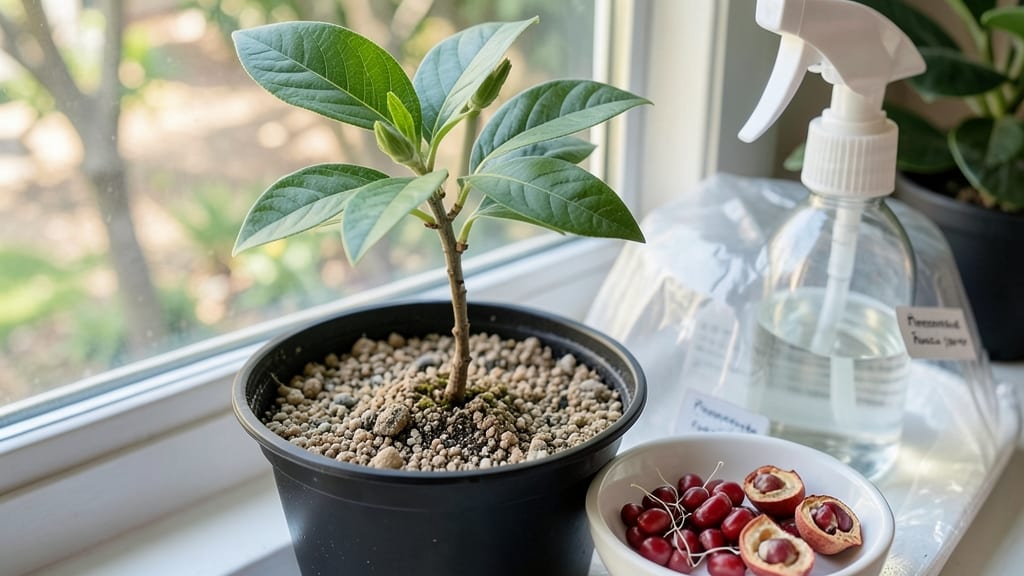
Pomegranate seed propagation is easier than you think—no twisting pods required. 🌱 I cracked this method after years of struggling with sticky seeds, and now I get reliable seedlings every time with just a few simple steps. The key is patience and the right timing: harvest ripe fruit, scoop out the seeds, and plant them fresh. You’ll need well-draining soil, a warm spot, and consistent moisture—but no fancy equipment. Most seeds sprout within 2-4 weeks, and the first true leaves signal it’s time to get serious about care. Once those seedlings pop up, you’ll watch them grow into sturdy plants with glossy leaves. By late summer, you’ll have a thriving young pomegranate ready for transplanting—no nursery costs, just pure satisfaction. This works for both sweet and ornamental varieties, and the process is just as rewarding as the harvest. Let’s get those seeds growing!
📚 In This Guide
- What you need
- Instructions
- Tips and common mistakes
- Wrapping up and next steps
What you need
- ● Pomegranate seeds: 5–10 fresh, plump seeds from a ripe pomegranate (avoid store-bought seeds if possible—they’re often treated to prevent sprouting).
- ● Well-draining potting mix: 1–2 bags (1–2 cubic feet) of a blend designed for seedlings or cacti/succulents (add perlite or sand for extra drainage).
- ● Small pots or containers: 3–5 biodegradable pots (3–4 inches deep) or plastic cups with drainage holes (or repurpose yogurt containers!).
- ● Drainage material: Small pebbles, broken pottery shards, or coarse sand (½ cup per pot).
- ● Watering can or spray bottle: With a fine mist setting to avoid displacing seeds.
- ● Clear plastic wrap or humidity dome: A ziplock bag or a small greenhouse lid to retain moisture.
- ● Seed-starting tray: With individual cells to organize seedlings neatly.
- ● Grow lights or sunny windowsill: A south-facing window or LED grow light (12–16 hours/day) for optimal growth.
- ● Fertilizer (mild): A balanced, water-soluble fertilizer (5-5-5 ratio) diluted to half-strength for seedlings.
- ● Tweezers or toothpicks: For gently handling seeds or adjusting soil.
- ● Thermometer/hygrometer: To monitor soil temperature (ideal: 70–80°F) and humidity.
Step-by-Step instructions for pomegranate seed propagation
Here's the simple method I use to grow pomegranates from seed—no fancy tools, just fresh fruit and patience.
🌱 Step 1: Extract and Clean the Seeds
Cut a fresh pomegranate in half and scoop out the seeds with a spoon. Rinse them under cool water to remove any remaining pulp. Spread them on a paper towel to dry completely—this prevents mold when you store them later. I like to let them air-dry for about 24 hours in a warm, dry spot.
Once dry, separate the seeds from their white membranes. You'll see the hard, brown seed inside—this is what you'll plant. Store them in a paper envelope in a cool, dry place until ready to use. The seeds stay viable for months this way, so you won't rush into planting.
💧 Step 2: Soak Seeds to Break Dormancy
Fill a small container with lukewarm water and add the seeds. Let them soak for 24-48 hours. This softens the outer shell and speeds up germination. I usually check them after 24 hours—if they're still floating, give them another 12 hours.
After soaking, drain the water and rinse the seeds gently. They're ready to plant once they sink to the bottom of the container. Don't skip this step—dry seeds can take months to germinate, while soaked seeds often sprout within 7-14 days.
🪴 Step 3: Plant Seeds in Moist Potting Mix
Fill small pots or seed trays with a light, well-draining potting mix. Press the soil down gently to remove air pockets, then make small holes about ½ inch deep with your finger. Drop one soaked seed into each hole and cover it lightly with soil—just enough to hide it.
Water the soil gently until it's evenly moist but not soggy. Place the pots in a warm, sunny spot or under a grow light. Keep the soil consistently moist by misting it lightly every 2-3 days. You'll see tiny sprouts within 1-2 weeks if conditions are right.
☀️ Step 4: Provide Warmth and Light for Germination
Pomegranate seeds need warmth to germinate—place the pots in a spot where the soil stays between 70-80°F. A sunny windowsill or under a heat mat works well. If your home runs cooler, consider using a seedling heat mat to maintain consistent warmth.
Once the seedlings emerge, move them to a location with bright, indirect light. Direct sunlight can scorch young leaves, so start with a few hours of morning sun and gradually increase exposure. You'll know they're getting enough light when the leaves stay dark green and sturdy.
✂️ Step 5: Thin and Transplant Seedlings
When seedlings reach about 2-3 inches tall and have a few true leaves, thin them so only the strongest one remains in each pot. Use scissors to snip the weaker ones at the soil line—this prevents disturbing the roots of the plants you're keeping.
After thinning, let the seedlings grow for another 4-6 weeks before transplanting them into larger pots or the garden. Choose a spot with full sun and well-draining soil. Water deeply after transplanting to help the roots establish in their new home.
Tips & tricks for perfect pomegranate seed propagation
Here's what nobody tells you about growing pomegranates from seed—these little details make all the difference between waiting months for sprouts or watching them pop up in days.
Seed Selection Tip: Choose seeds from ripe, healthy pomegranates—they're more likely to germinate successfully. I always pick the plumpest seeds from the center of the fruit, as they tend to have the best viability. If you're saving seeds from store-bought fruit, look for organic or locally grown varieties, as conventionally grown pomegranates might have been treated with chemicals that could inhibit germination.
Soaking Strategy: The 24-48 hour soaking period in Step 2 is your secret weapon for faster germination. I've found that adding a pinch of honey (about ½ teaspoon per cup of water) to the soaking water can actually boost germination rates by providing natural sugars that help break down the seed coat. Just make sure to rinse the seeds thoroughly after soaking to remove any residue.
Planting Depth: When planting those ½-inch deep holes in Step 3, don't press the soil too firmly around the seed. The goal is to create a cozy, airy environment—not a compacted one. I like to use a chopstick to make the holes and then gently tap the pot to settle the soil around the seed without packing it down. This prevents the seed from being buried too deeply, which can delay germination.
Light Transition: That gradual move from bright indirect light to full sun in Step 4 is crucial. I start my seedlings under fluorescent grow lights for the first week, then gradually increase their exposure to morning sun for 2-3 hours daily. This hardens them off and prevents that shocking leaf burn you might see from sudden direct sunlight. Think of it like sunbathing—you wouldn't go from zero to full sun in one day, right?
Pro Tips for Pomegranate Seed Propagation
- Here's what nobody tells you about growing pomegranates from seed—these little details make all the difference between waiting months for sprouts or watching them pop up in days.
- Seed Selection Tip: Choose seeds from ripe, healthy pomegranates—they're more likely to germinate successfully.
- Soaking Strategy: The 24-48 hour soaking period in Step 2 is your secret weapon for faster germination.
Frequently asked questions
Got questions about growing pomegranates from seeds?
You’re not alone! Here are answers to the most common queries to help you propagate like a pro.
How long does it take for pomegranate seeds to germinate?
Germination can take anywhere from 2 to 6 weeks, depending on temperature and moisture. Keep the soil consistently damp (not soggy) and maintain warmth (70–85°F). Patience is key—some seeds may take longer, but stay consistent with care!
Can I plant pomegranate seeds directly in the ground?
While possible in warm climates (zones 8–11), it’s riskier than starting indoors. Seeds are sensitive to frost and slow to mature. For best results, start seeds in pots 6–8 weeks before the last frost, then transplant seedlings outdoors after they’re sturdy.
Why aren’t my pomegranate seeds sprouting?
Common culprits include cold soil, dry conditions, or old/infertile seeds. Try soaking seeds in warm water for 24 hours before planting, or test viability by cutting a seed open—look for a green embryo. If all else fails, try fresh seeds from a ripe fruit!
Do pomegranate seedlings grow true to the parent plant?
Not always! Seed-grown pomegranates may vary in fruit quality, size, or color compared to the parent. For consistent results, consider grafting (a more advanced technique) or buying established trees. If you’re okay with surprises, seeds are a fun, budget-friendly option!
What’s the best time of year to plant pomegranate seeds?
For indoor starts, late winter or early spring (6–8 weeks before your last frost date) is ideal. In warmer climates, you can plant outdoors in early spring. Avoid planting seeds directly in fall—they won’t survive winter’s chill.
Can I use pomegranate seeds from store-bought fruit?
Yes! Store-bought seeds are often viable, but freshness matters. Seeds from recently harvested fruit (even organic) have the best germination rates. Rinse seeds thoroughly to remove pulp, then dry them before planting to prevent mold.
Wrapping up and next steps
Growing pomegranates from seed is a rewarding journey that blends simplicity with patience—perfect for gardeners eager to cultivate their own fruit trees! 🌱 With the right no-twist pods and a few key steps, you’ve got everything you need to propagate these vibrant plants.
The key takeaway? Start small, stay consistent, and let nature do the rest! Once your seedlings sprout, transplant them carefully and watch your garden flourish with future harvests.
Ready to take the next step? Try propagating a few more seeds—experiment with different varieties or share the process with fellow gardening enthusiasts. Every seed you plant today could be the start of a bountiful pomegranate tree tomorrow! 🍇✨