
Lawn
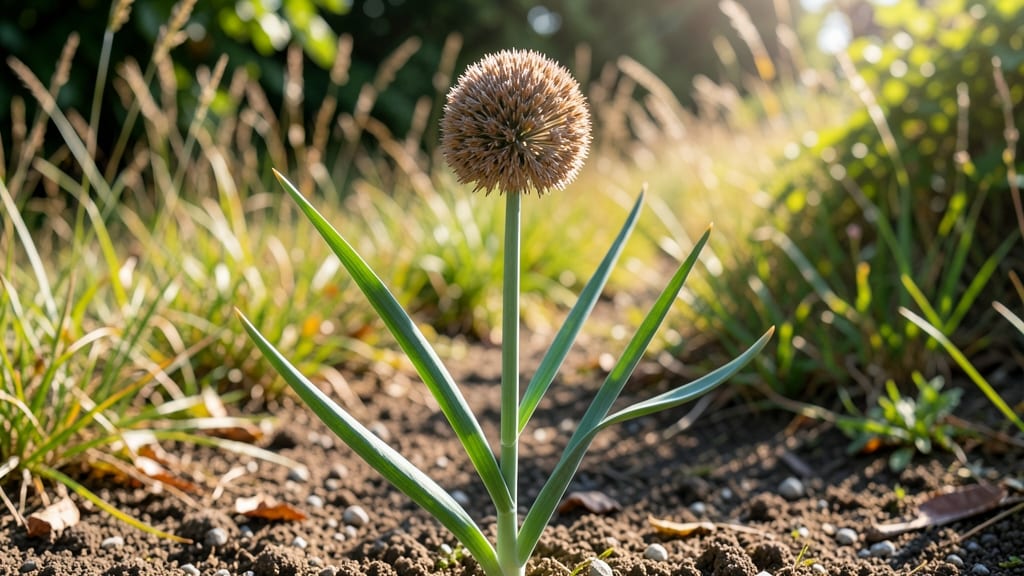
Your wild onion seed heads are nature’s foolproof way to grow more onions with zero effort. 🌱 The twist-release method lets you collect seeds without digging, and once you master it, you’ll never buy onion sets again.
These hardy perennials multiply themselves—just let them go to seed, then scatter the tiny black seeds next spring.
Timing is everything: harvest seed heads when they turn brown and papery (usually late summer), then twist them gently to release the seeds into a paper bag. Store the seeds in a cool, dry place until planting—they stay viable for 2-3 years.
No fancy equipment needed, just patience and a sunny spot where they’ll naturalize over time.
You’ll end up with self-sustaining onion patches that spread year after year, plus extra seeds to share or save for cooking. The sharp, garlicky flavor works great in soups, salads, or as a wild seasoning.
Just don’t let them go to seed too early—pull a few blooms for fresh greens while you wait.
Works for wild onions, ramps, or chives—any allium that self-seeds. Perfect for gardeners who hate weeding but love free plants. Here’s how to make it work for you.
📚 In This Guide
- What you need
- Instructions
- Tips and common mistakes
- Wrapping up and next steps
What you need
- ● Wild onion seed heads: 1–2 mature, dried seed clusters (ensure they’re fully brown and papery). Pro tip: Collect from organic sources to avoid pesticides! 🌿
- ○ Growing medium: 1–2 gallons of well-draining soil mix (compost + garden soil or potting mix in a 1:1 ratio). Optional: Add perlite or sand for extra drainage.
- ● Containers (if starting indoors): 4–6 small pots (4–6 inches deep) with drainage holes.
- ● Watering can or spray bottle: For gentle hydration.
- ○ Twine or small mesh bag (optional): To secure seed heads for twist-release collection.
- ● Pruning shears or scissors: For harvesting seed heads.
- ○ Gloves (optional): To protect hands from sharp onion edges.
- ● Sunny location: 6+ hours of direct sunlight daily (or a grow light for indoor setups).
- ● Patience: Seed heads may take 4–6 weeks to fully mature post-planting!
Step-by-Step guide to growing wild onion seed heads
Here's how I grow wild onions to maturity for easy seed collection—no fuss, just nature's twist-and-release method.
🌱 Step 1: Start with Healthy Wild Onion Plants
Begin with established wild onion plants that have developed strong, mature leaves—typically 6-12 inches tall with at least 3-4 broad leaves. These plants should be in their second growing season to ensure robust seed production. I always select plants that have survived winter, as they're the hardiest and most likely to flower successfully.
Check for signs of pests or disease before choosing plants. Look for bright green leaves without yellowing or brown spots, and avoid plants with chewed edges or wilted foliage. Healthy plants will produce strong seed heads, while weakened ones may fail to flower or produce viable seeds.
☀️ Step 2: Ensure Full Sun and Proper Spacing
Wild onions need full sun (6-8 hours daily) to develop flower stalks and seed heads. If your plants are currently in partial shade, move them to a sunnier location now. I've found that even a few extra hours of morning sun can make a difference in flower production.
Space plants 8-12 inches apart to allow for air circulation, which prevents fungal diseases that can rot seed heads before they mature. Thin crowded plants now if needed—this ensures each plant has room to develop its flower stalk without competing for resources.
💧 Step 3: Water and Fertilize for Flowering Success
Reduce watering slightly once flower stalks appear—1 inch per week is plenty. Overwatering can cause the seed heads to split or rot before they're ready for collection. I water deeply in the morning so the foliage dries quickly, preventing fungal issues.
Apply a balanced, low-nitrogen fertilizer (5-5-5 ratio) when flower buds form. Too much nitrogen encourages leaf growth at the expense of seed production. I use about ½ teaspoon per plant and water it in immediately to prevent root burn.
⏰ Step 4: Wait for Seed Heads to Mature and Dry
Watch for flower stalks to emerge in early spring, typically 2-3 weeks after new growth begins. The stalks will produce small white or pink flowers that eventually turn into round seed heads. Let the seed heads dry completely on the plant—this usually takes 6-8 weeks after flowering.
You'll know they're ready when the seed heads turn brown and papery and begin to twist easily at the base. This natural twist is how wild onions release their seeds—no cutting required! I gently twist each seed head between my fingers until it separates cleanly from the stalk.
🌿 Step 5: Collect and Store Seeds Properly
Once seed heads twist off, place them in a paper bag and let them dry for another 2-3 days in a warm, dry place. This ensures any remaining moisture evaporates, preventing mold. Shake the bag gently each day to dislodge seeds from the heads.
Store seeds in a sealed envelope or jar in a cool, dark place. Label with the variety and date—wild onion seeds remain viable for 2-3 years when stored properly. I always plant a portion immediately for next season's crop!
Tips & tricks for perfect wild onion seed head harvest
These simple tricks will help you maximize your wild onion seed yield without any extra effort.
Selection is Everything: When choosing plants in Step 1, focus on those with the thickest stems at the base—these are the ones that will produce the strongest flower stalks. I've found that plants with stems thicker than a pencil (about ½ inch) consistently yield the most seeds. Avoid plants with hollow stems, as they rarely produce viable seed heads.
Sunlight Strategy: For Step 2, if you're in a region with limited sunlight, prioritize morning sun exposure—wild onions thrive with at least 6 hours of direct morning light. I've noticed that plants receiving afternoon shade still produce flowers, but the seed heads take an extra 1-2 weeks to mature compared to those in full sun.
Fertilizer Timing: In Step 3, the key is applying that ½ teaspoon of 5-5-5 fertilizer right when you first see tiny flower buds forming—not when the flowers are already open. This timing ensures the plant directs its energy toward seed production rather than maintaining blooms. I like to fertilize on a cloudy morning to reduce stress on the plants.
Harvesting Hack: For Step 5, when those seed heads twist easily, I recommend harvesting them on a dry morning after the dew has evaporated. This prevents any moisture from getting trapped in the seed heads during storage. You'll know you've harvested at the perfect time when the seeds rattle when you shake the head gently.
Pro Tips for Wild Onion Seed Head
- These simple tricks will help you maximize your wild onion seed yield without any extra effort.
- Selection is Everything: When choosing plants in Step 1, focus on those with the thickest stems at the base—these are the ones that will produce the strongest flower stalks.
- Sunlight Strategy: For Step 2, if you're in a region with limited sunlight, prioritize morning sun exposure—wild onions thrive with at least 6 hours of direct morning light.
Frequently asked questions
Got questions about harvesting wild onion seed heads?
You’re not alone! Here are answers to the most common queries—from timing to troubleshooting—to help you master this natural twist-and-release method.
When is the best time to collect wild onion seed heads?
The ideal time is late summer to early fall, once the seed pods turn papery brown and rattle when shaken. Harvest on a dry, sunny day to ensure seeds stay crisp. Avoid collecting if pods are still green or wet—this can lead to mold or poor germination.
How long does it take for seed heads to mature?
Wild onion seed heads typically mature in 60–90 days after flowering, depending on your climate. In cooler regions, this may extend to 100+ days. Monitor plants closely—once pods form, they dry out quickly, so act fast to avoid seed loss to birds or wind!
What if my seed heads won’t twist off easily?
If pods resist, they may not be fully dry. Try these fixes:
- Wait longer: Leave them on the plant 1–2 more days in dry conditions.
- Gently twist: Use a small pair of scissors or pruners to snip the stem if needed.
- Dry indoors: Hang bundles upside down in a warm, dry spot (like a garage) for 24–48 hours.
Can I grow wild onions from store-bought seeds?
Store-bought wild onion seeds (like Allium vineale) may work, but they’re often treated to prevent sprouting. For best results, source seeds from mature wild plants in your area—they’re already adapted to your soil and climate. Pro tip: Ask local gardeners or forage for seed heads in uncultivated fields!
How do I keep birds from eating my seed heads?
Birds love wild onion seeds! Protect them with:
- Netting: Drape lightweight mesh over seed heads before they fully dry.
- Harvest early: Collect pods as soon as they’re brown and brittle.
- Scare tactics: Hang old CDs or reflective tape nearby to deter birds.
What if my wild onions don’t produce seed heads?
Missing seed heads? Check these common issues:
- Improper care: Wild onions need full sun (6+ hours/day) and well-draining soil.
- Over-fertilizing: Too much nitrogen = leafy growth, no flowers.
- Age matters: Seed heads appear in year 2 or 3—be patient!
Wrapping up and next steps
Growing wild onion seed heads is a rewarding way to harness nature’s bounty with minimal effort—perfect for gardeners who love simplicity and sustainability! 🌱 Whether you're collecting seeds for propagation or savoring their culinary potential, these hardy plants thrive with basic care.
The key is patience and observation, letting nature do the heavy lifting while you enjoy the process.
Ready to take the next step? Start small—plant a few seed heads in your garden or lawn this season and observe how they flourish. Share your harvest with fellow gardening enthusiasts or experiment with new recipes using the fresh greens or seeds.
Happy growing, and may your wild onion patch become a thriving, low-maintenance gem! 🌿✨